The Big Island, Hawaii - USA
Duration: 4 full days (excluding travel days)
Locations Visited: Hawi, Pololū Valley Lookout, Puakō Petroglyph Preserve, Mauna Kea, Rainbow Falls, Hilo, Hawaiʻi Tropical Bioreserve & Garden, ʻAkaka Falls, Hawaii Volcanoes National Park, & Punaluʻu Black Sand Beach
How to Get There: Fly into Ellison Onizuka Kona International Airport (KOA)
How to Get Around: Rental Car, Private Tour
When to Go: Late spring or early fall. We went in March and hit some bad weather, although that may have just been bad luck
Pace: Relaxing to moderate
Ideas for a Future Trip:
See more Hawaiian islands
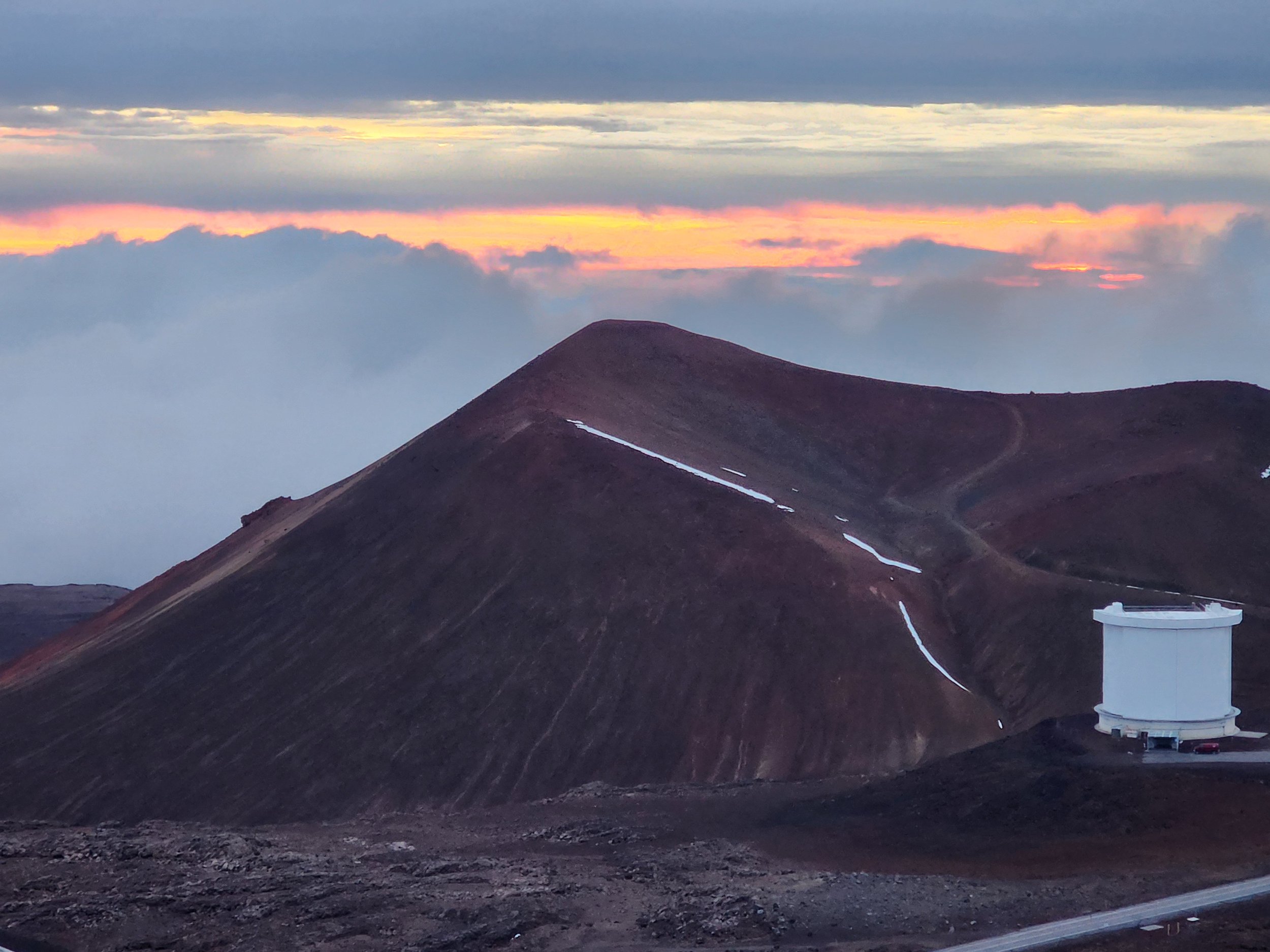
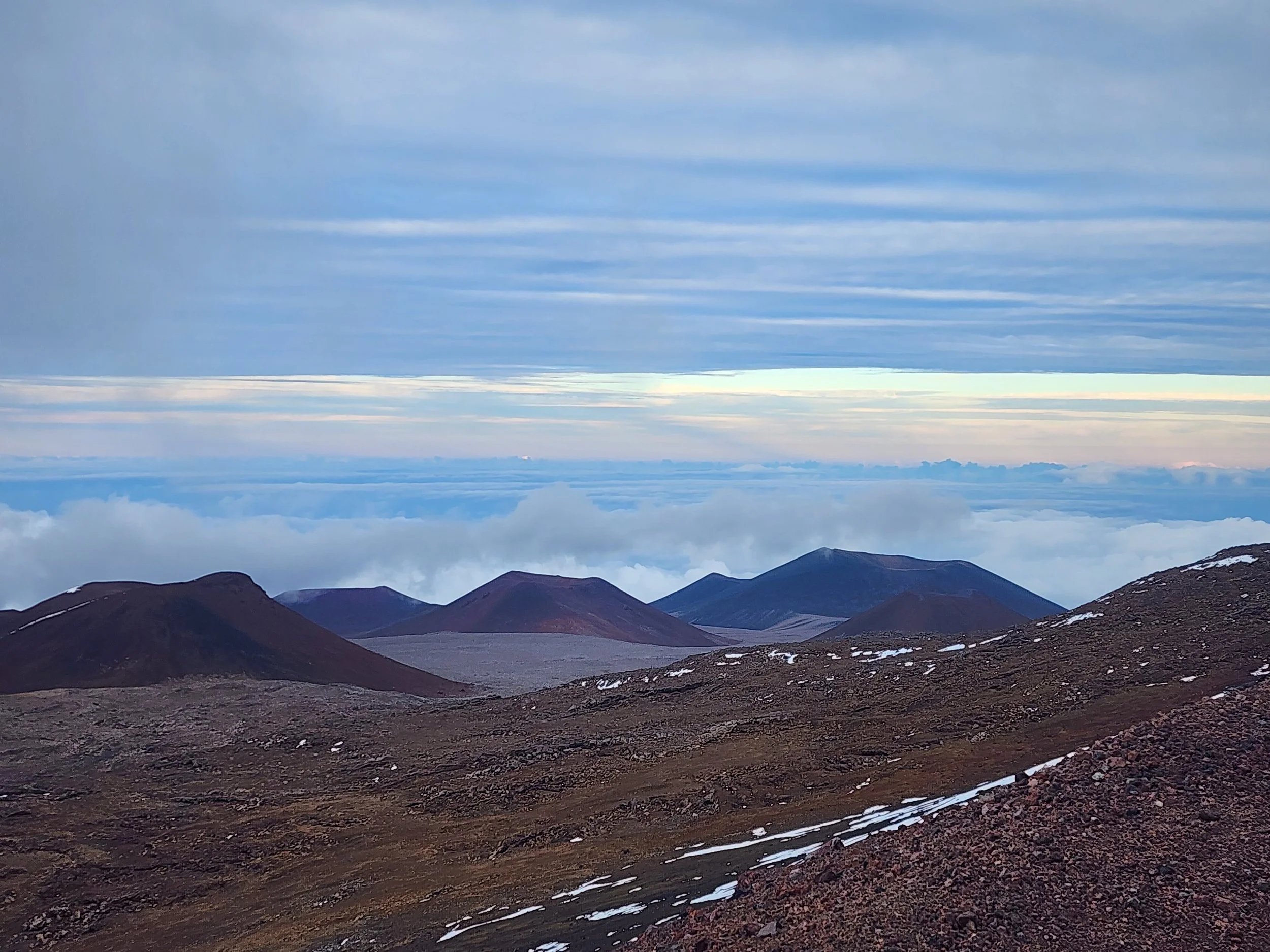
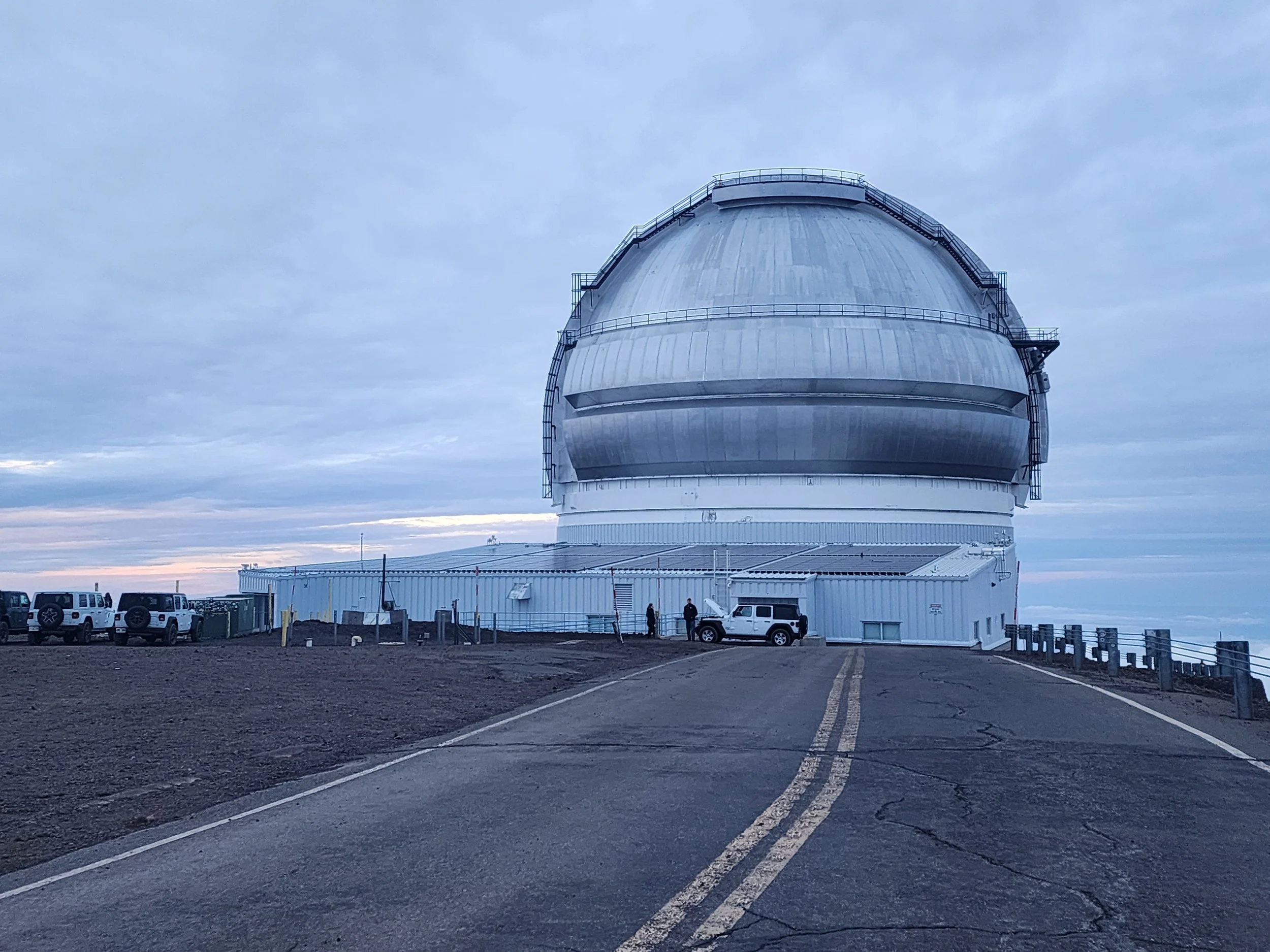
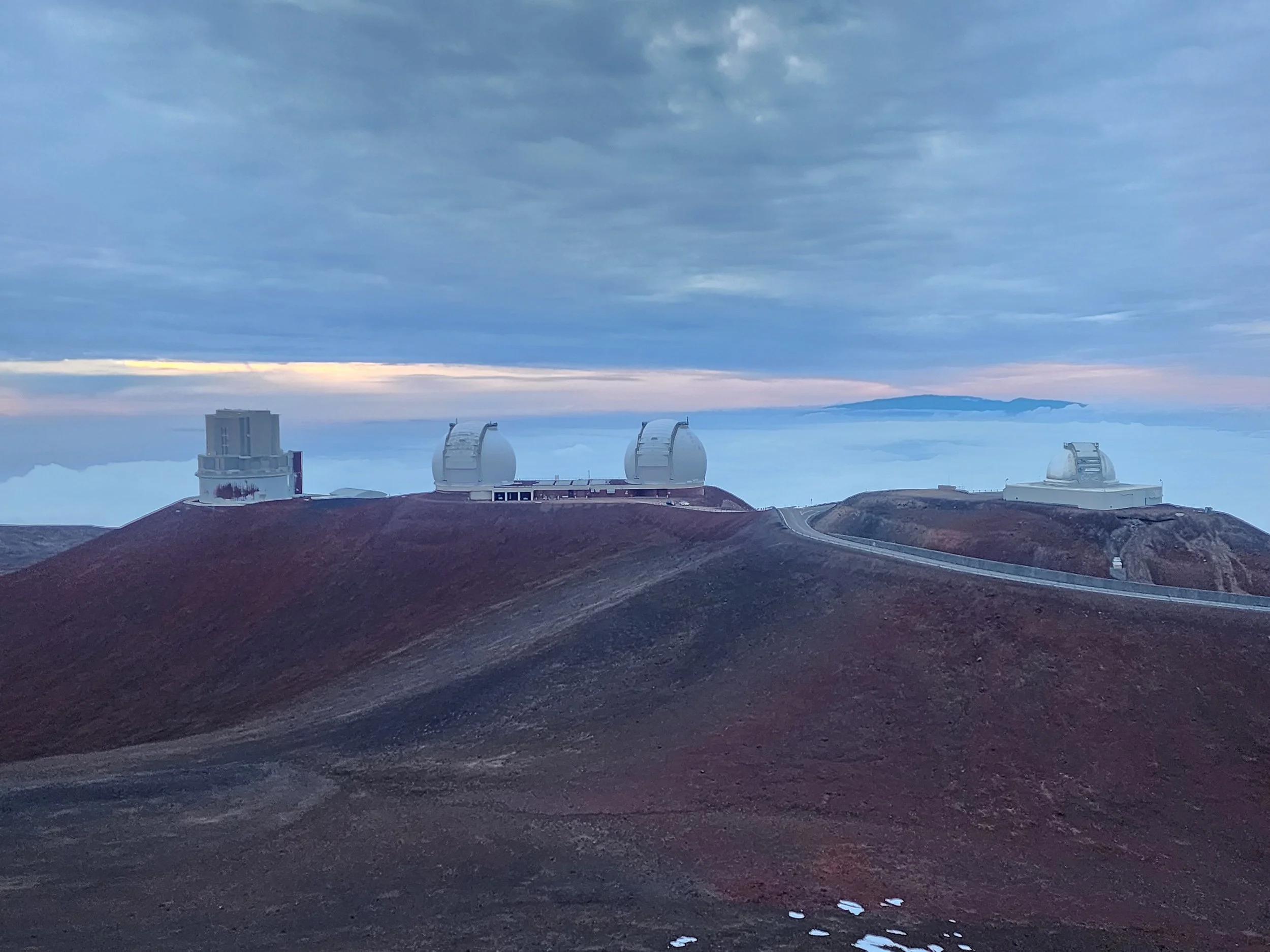
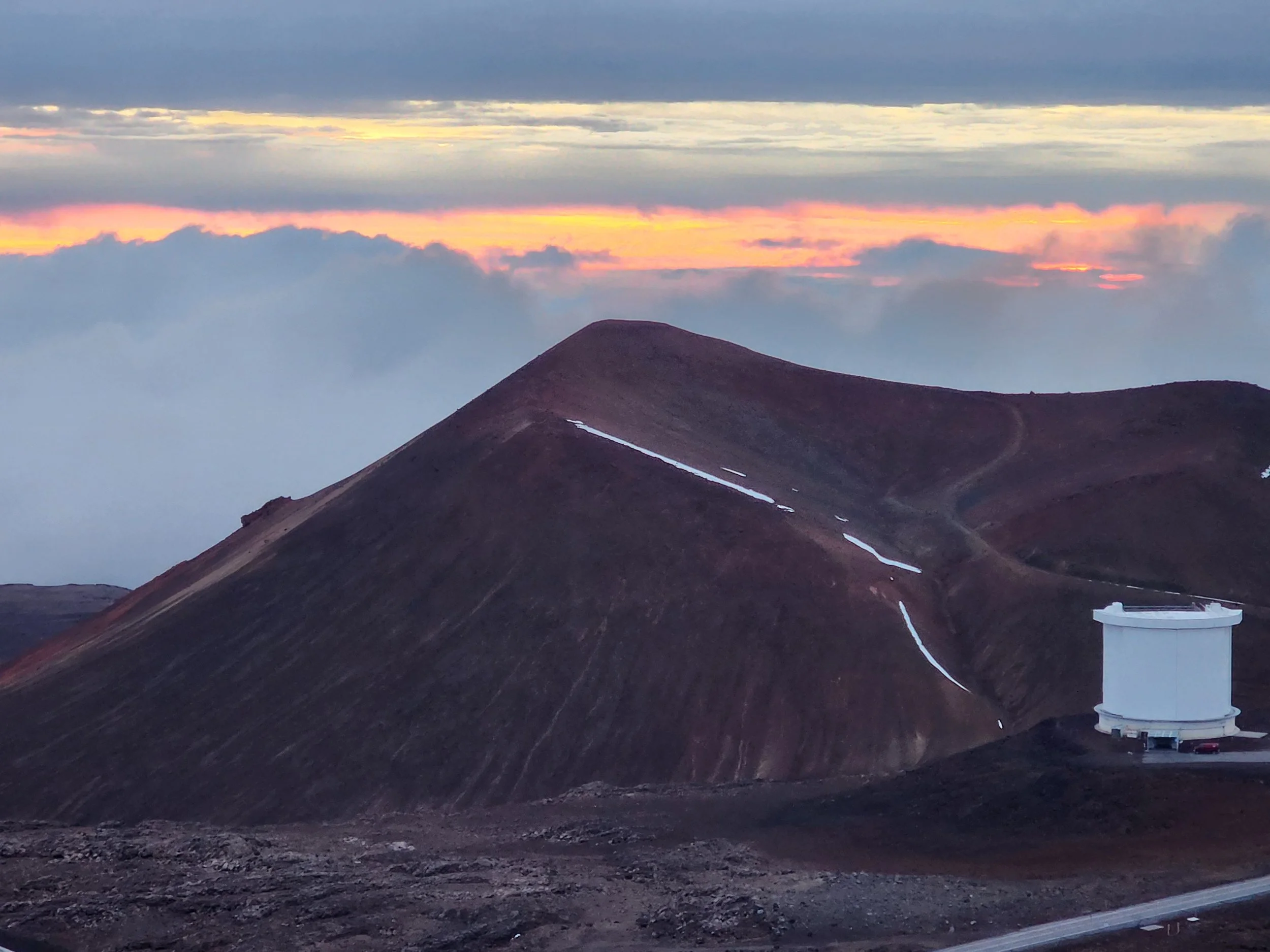
Mauna Kea Summit at Sunset
Day 1: Lava Fields, Kohala Mountain Road, Hawi, Pololū Valley Lookout, Puʻukoholā Heiau, & Puakō Petroglyph Preserve
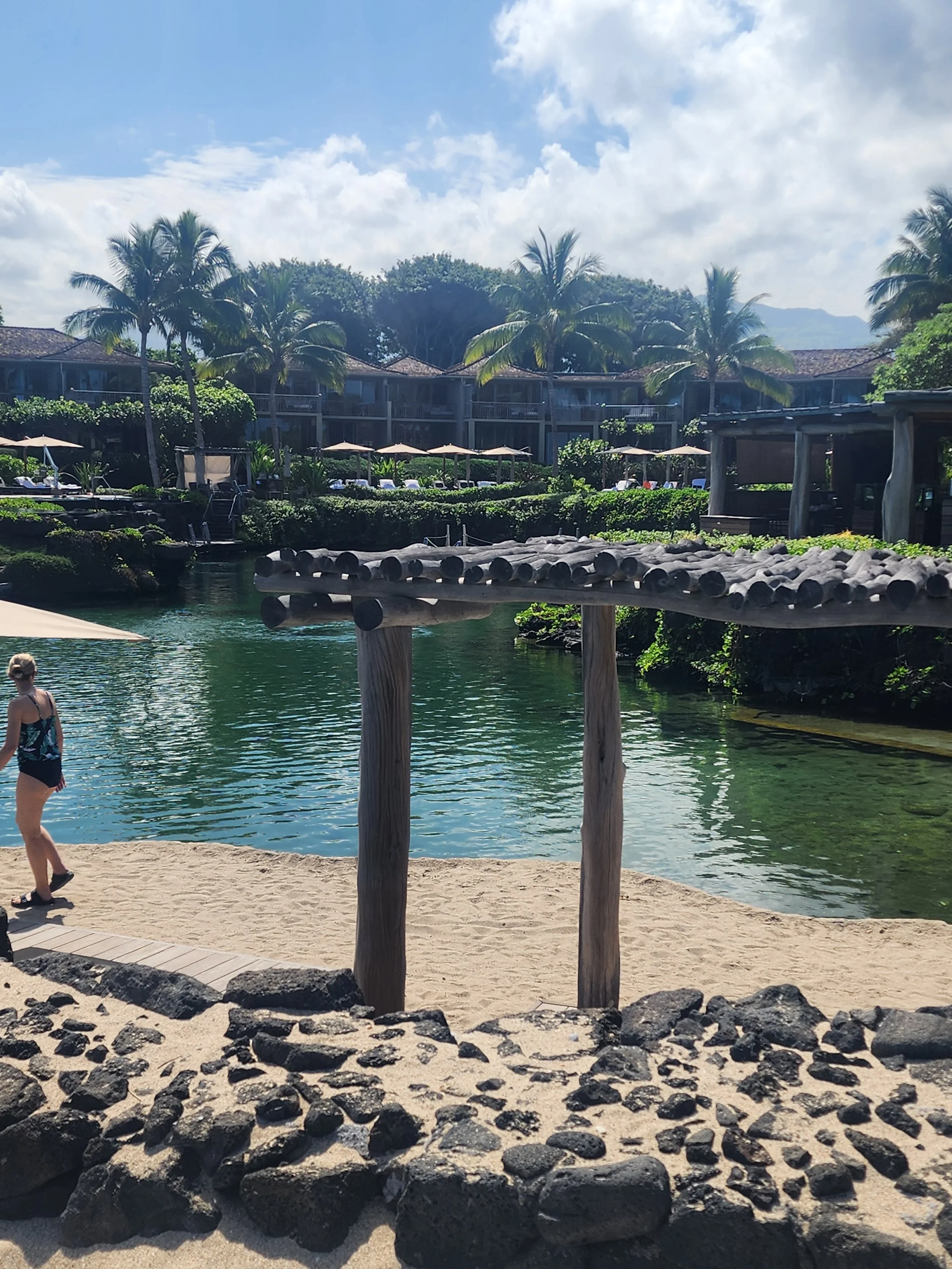
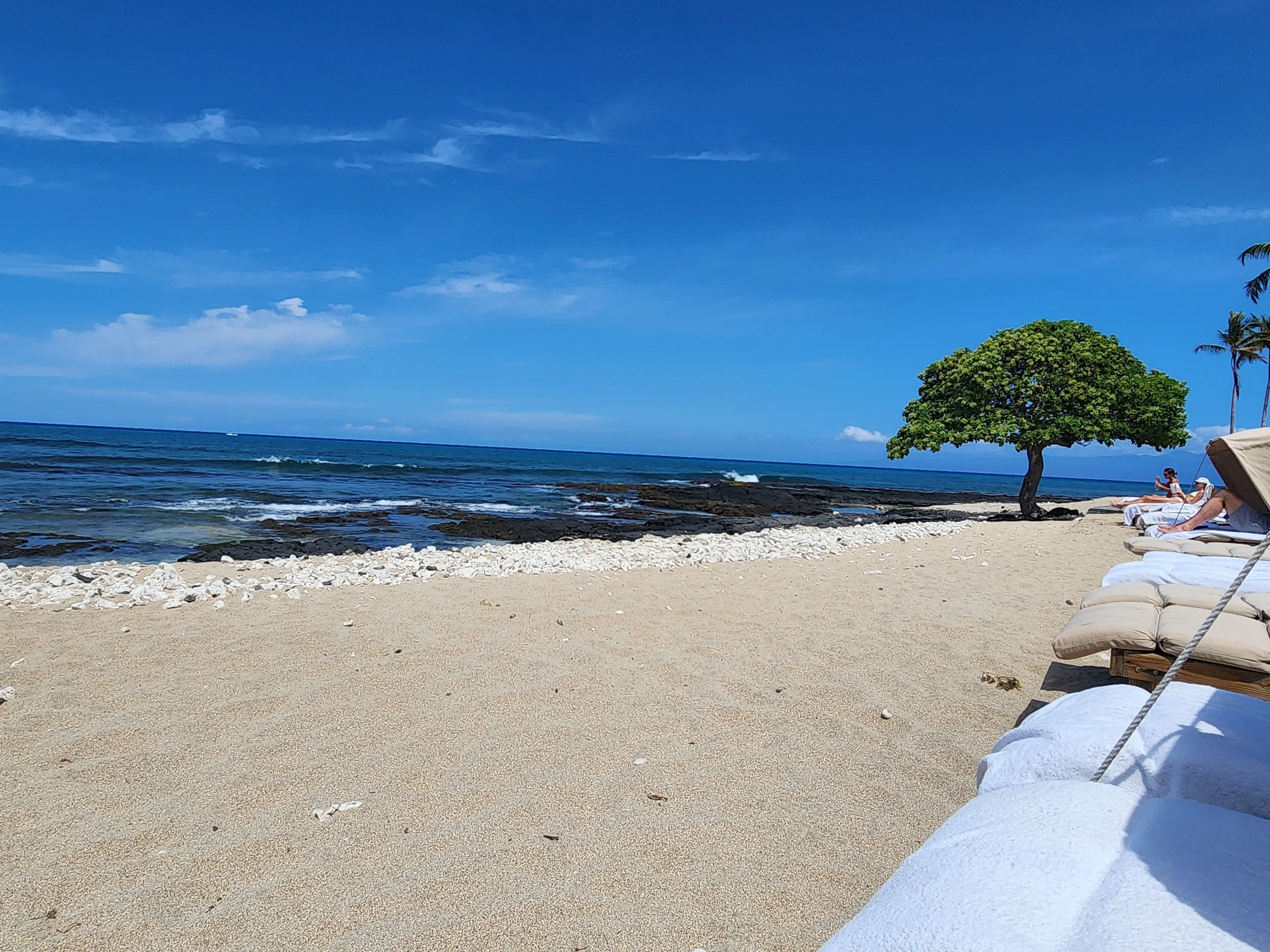
Before diving into the itinerary, a bit of background on the Big Island. There are two main areas to stay: the west side of the island (around Kailua-Kona and the Kohala Coast) and the east side near Hilo. For the duration of the trip, we stayed on the west side and drove around the island. While it is Hawaii's largest island, there are major roads connecting most destinations, and you can reach nearly everything on the island in about two hours or less. We found the west side to be centered around luxury resorts, while the east side, at least from what we saw, felt much more local and residential.
After arriving at Kona Airport the previous night, we spent our first full day exploring the island's northwest coast. It was a great introduction to the diversity of the Big Island's landscapes—we saw lava fields, an extinct volcano, dramatic cliffs, black sand beaches, and archaeological sites, all in a single day.
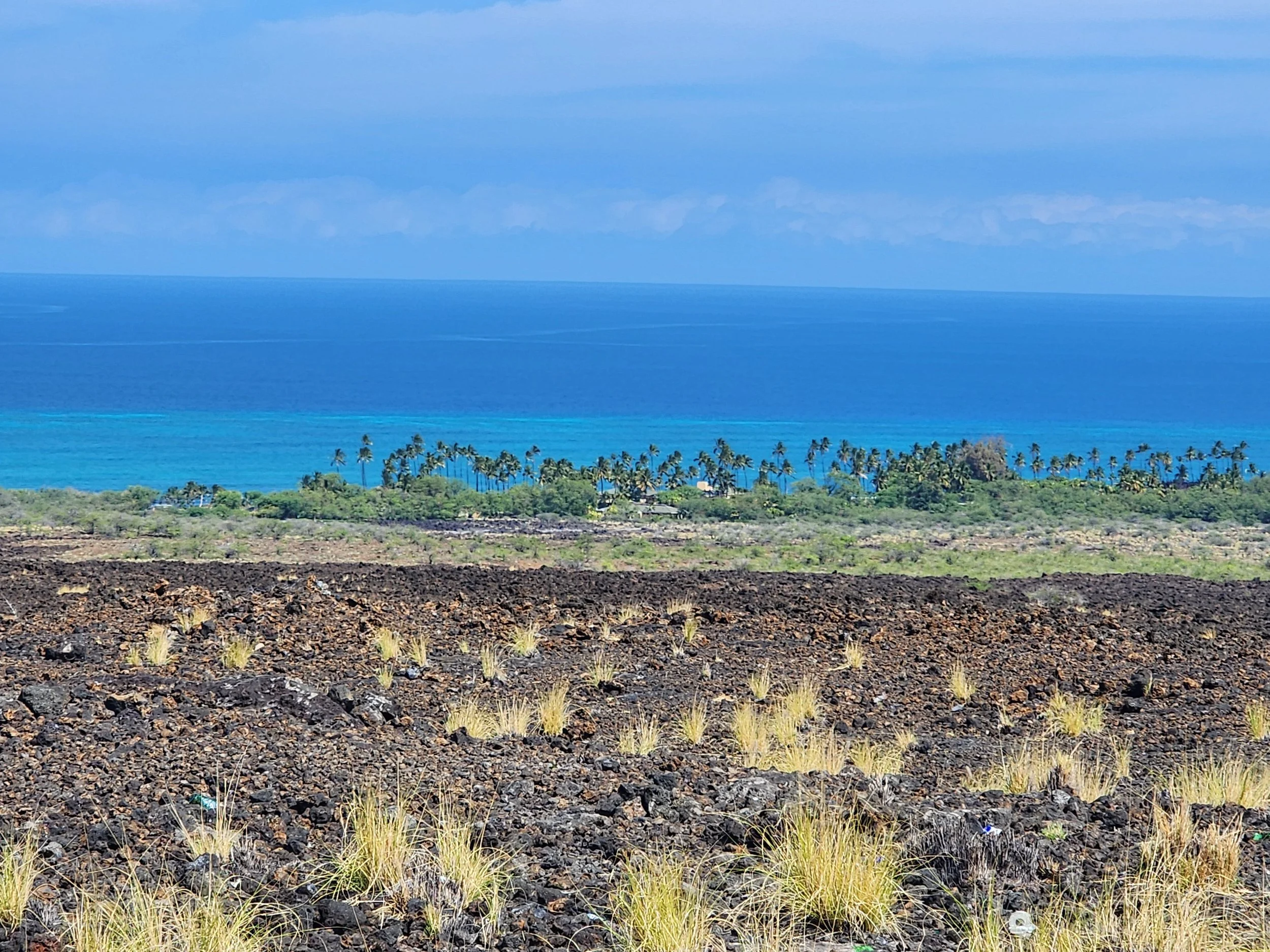
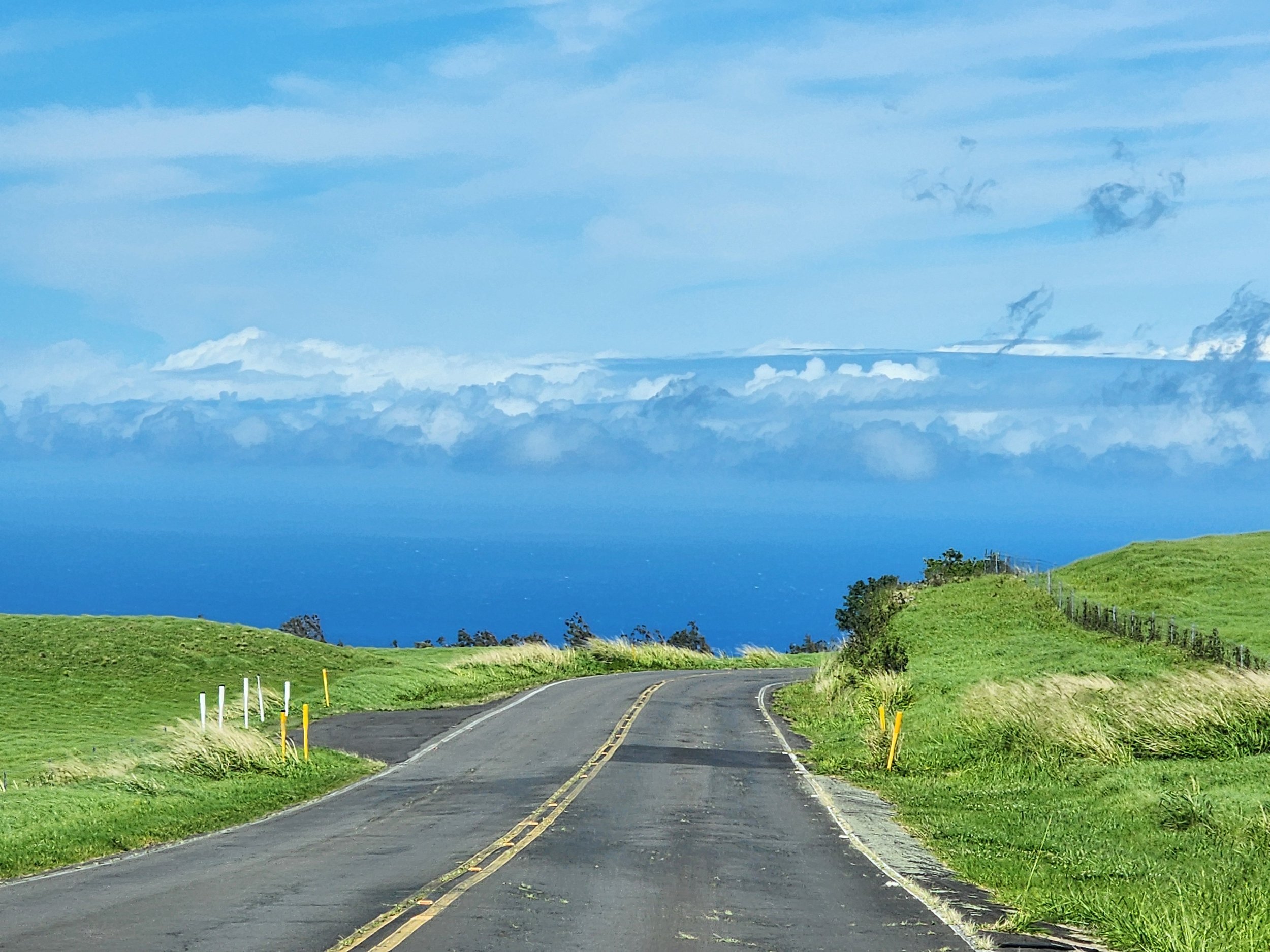
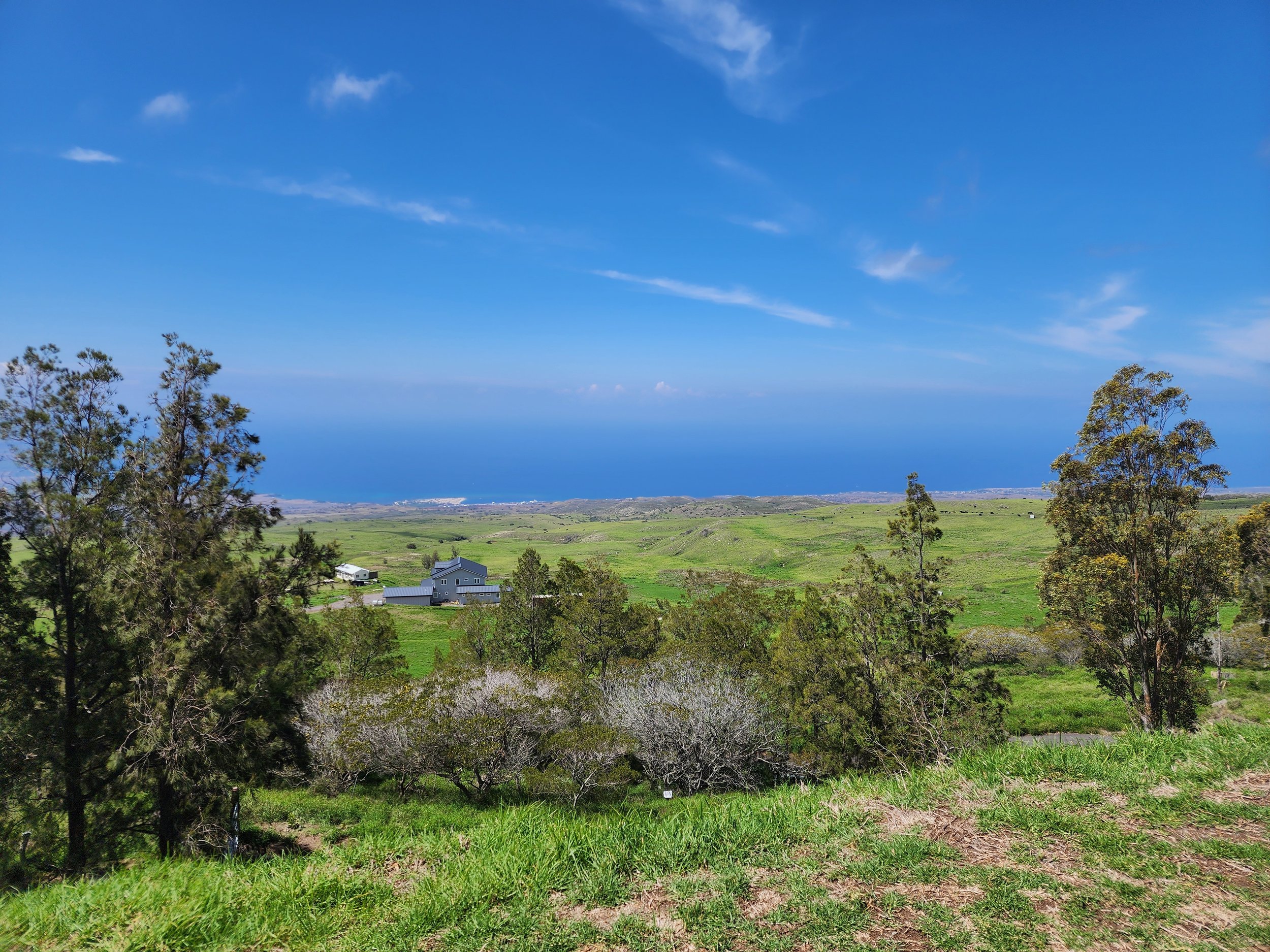
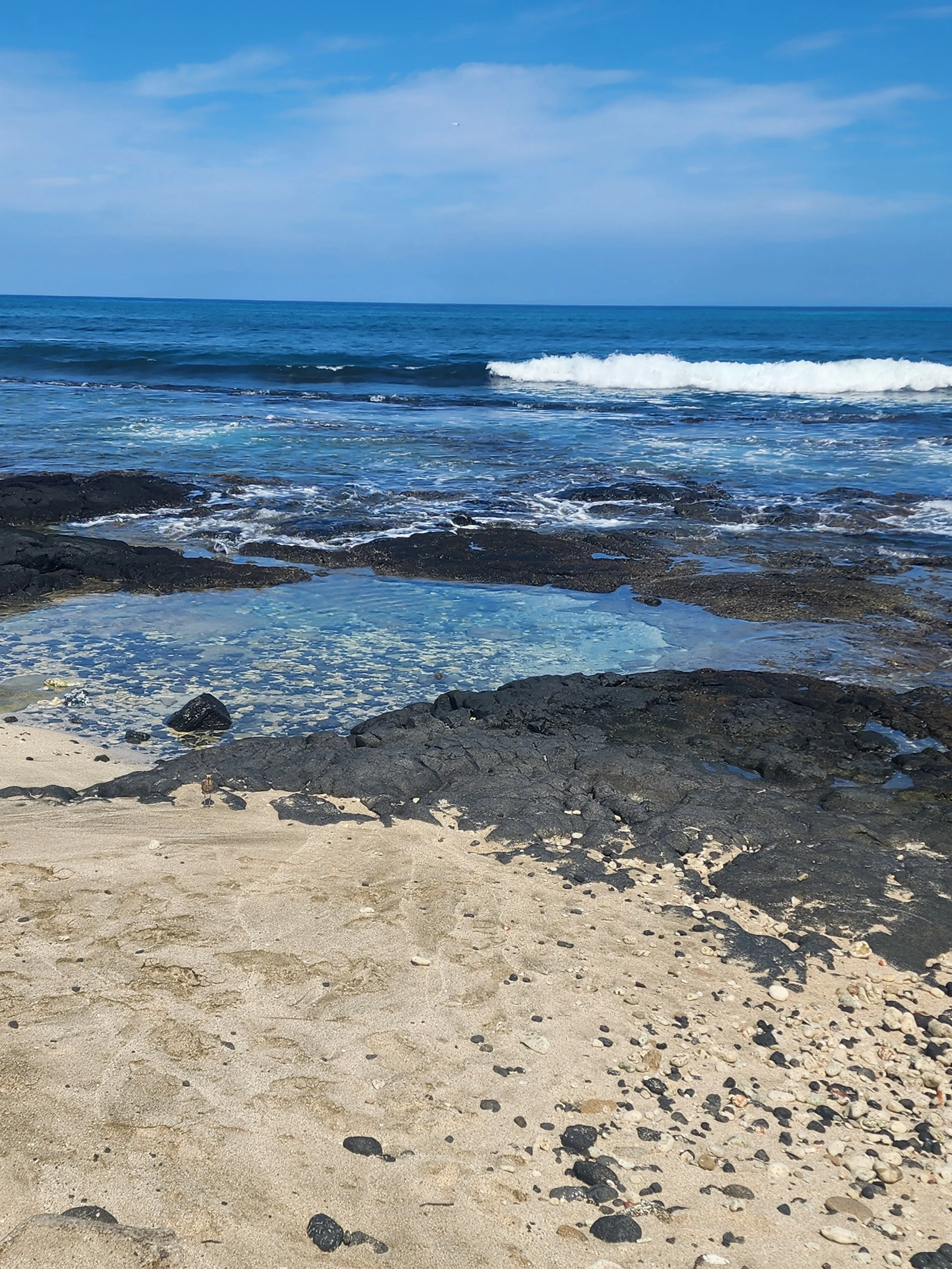
To begin, we drove north from the resort toward Kohala Mountain Road. Along the way, you'll pass expansive lava fields that felt very reminiscent of those we saw in Iceland, albeit with warm Hawaiian sunshine instead of the cold rain and freezing drizzle we experienced there. Past the lava fields, Kohala Mountain Road quickly climbs in elevation, winding through emerald-green hills with multiple viewpoints overlooking the rolling countryside and the Pacific Ocean beyond. Kohala is the oldest of the five volcanoes that formed the Big Island, and the lush landscape provides a striking contrast to the barren lava fields just a few miles away.
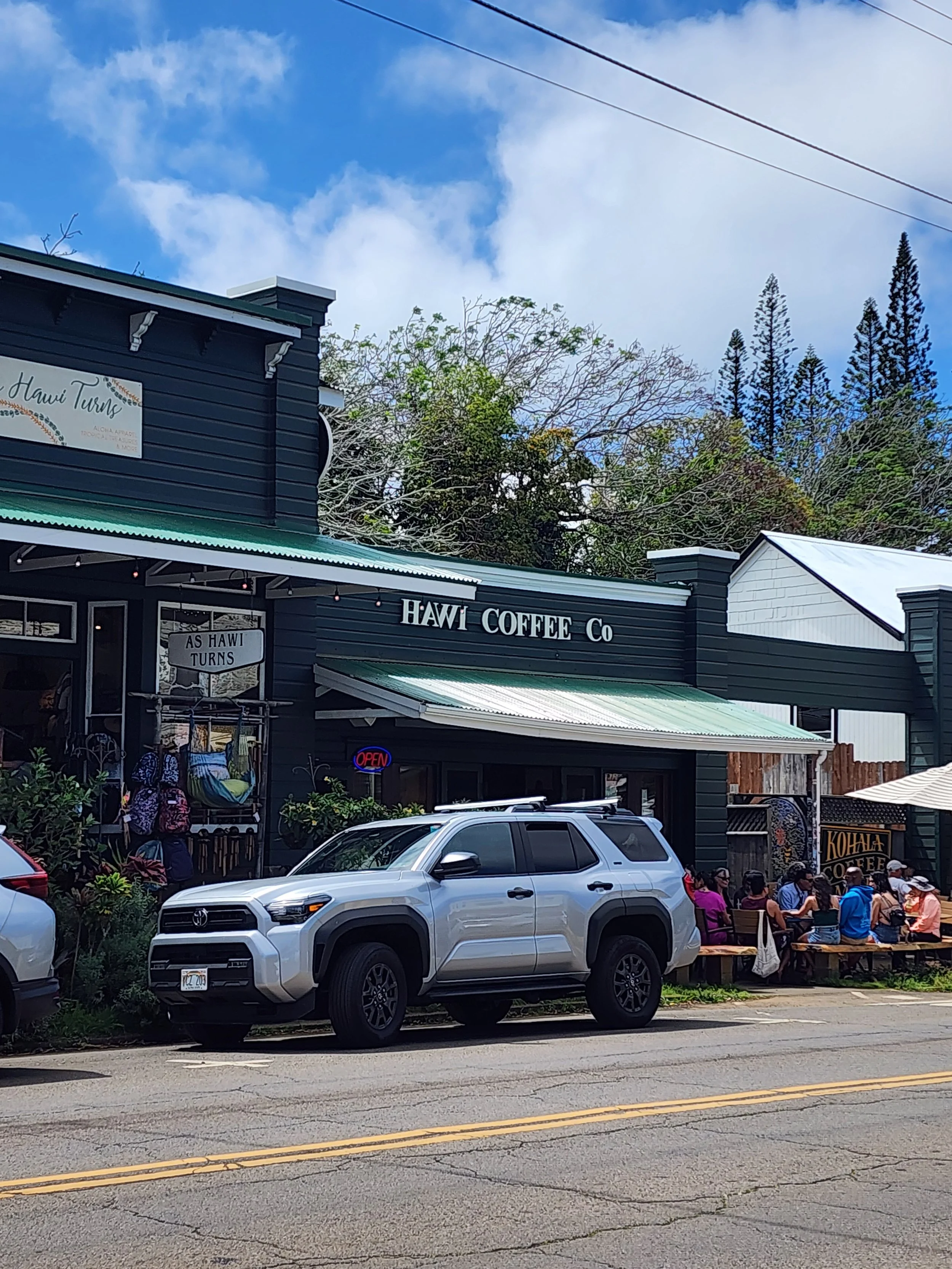
Next, we headed to the small town of Hawi, which began as a sugar plantation town in the late 1800s. While it's small, there are several boutique shops, coffee shops, and casual restaurants. There aren't many lunch options in this part of the island, making Hawi a convenient place to stop before continuing north. After lunch, we made a brief stop at nearby Keokea Beach Park.
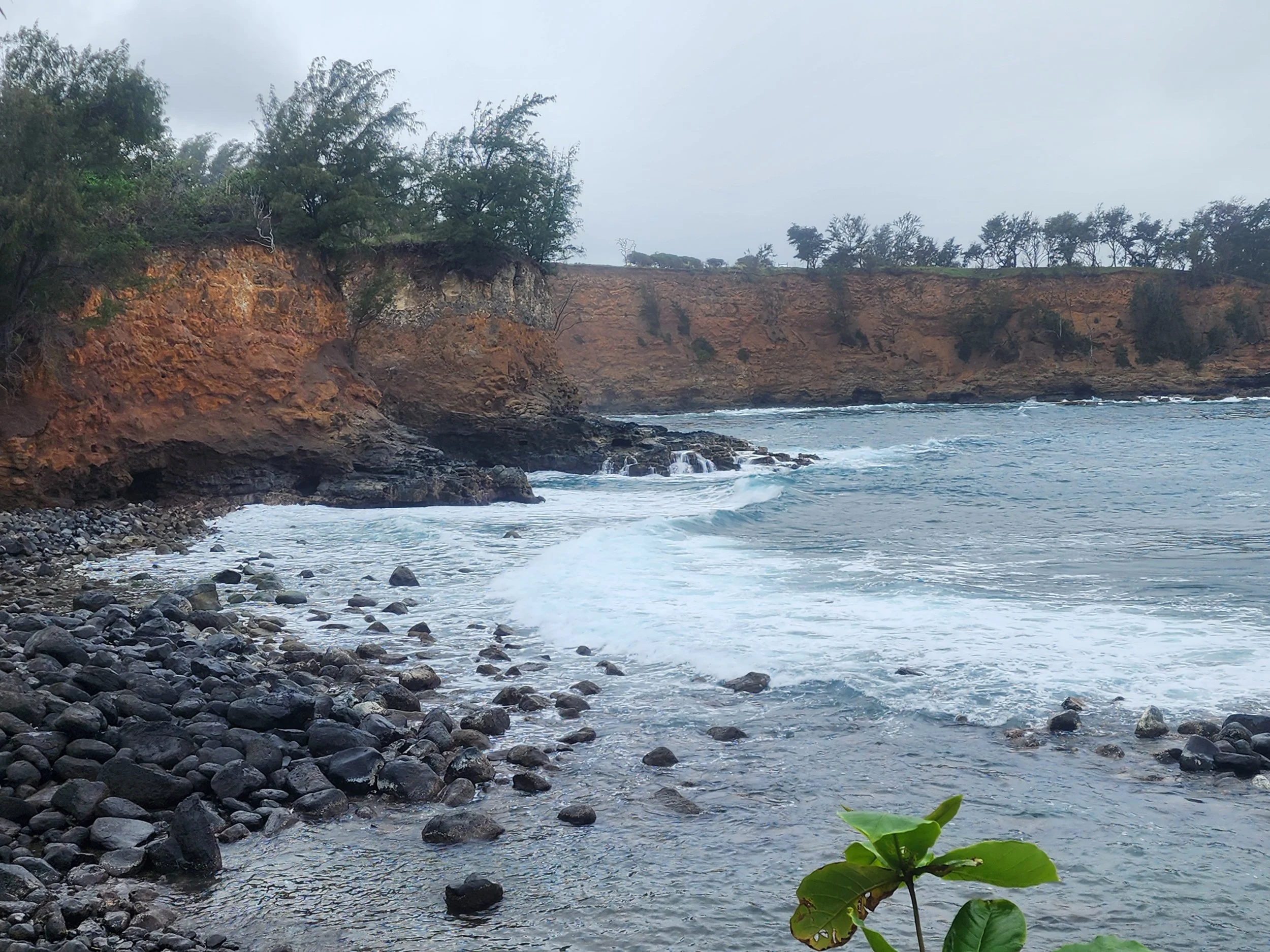
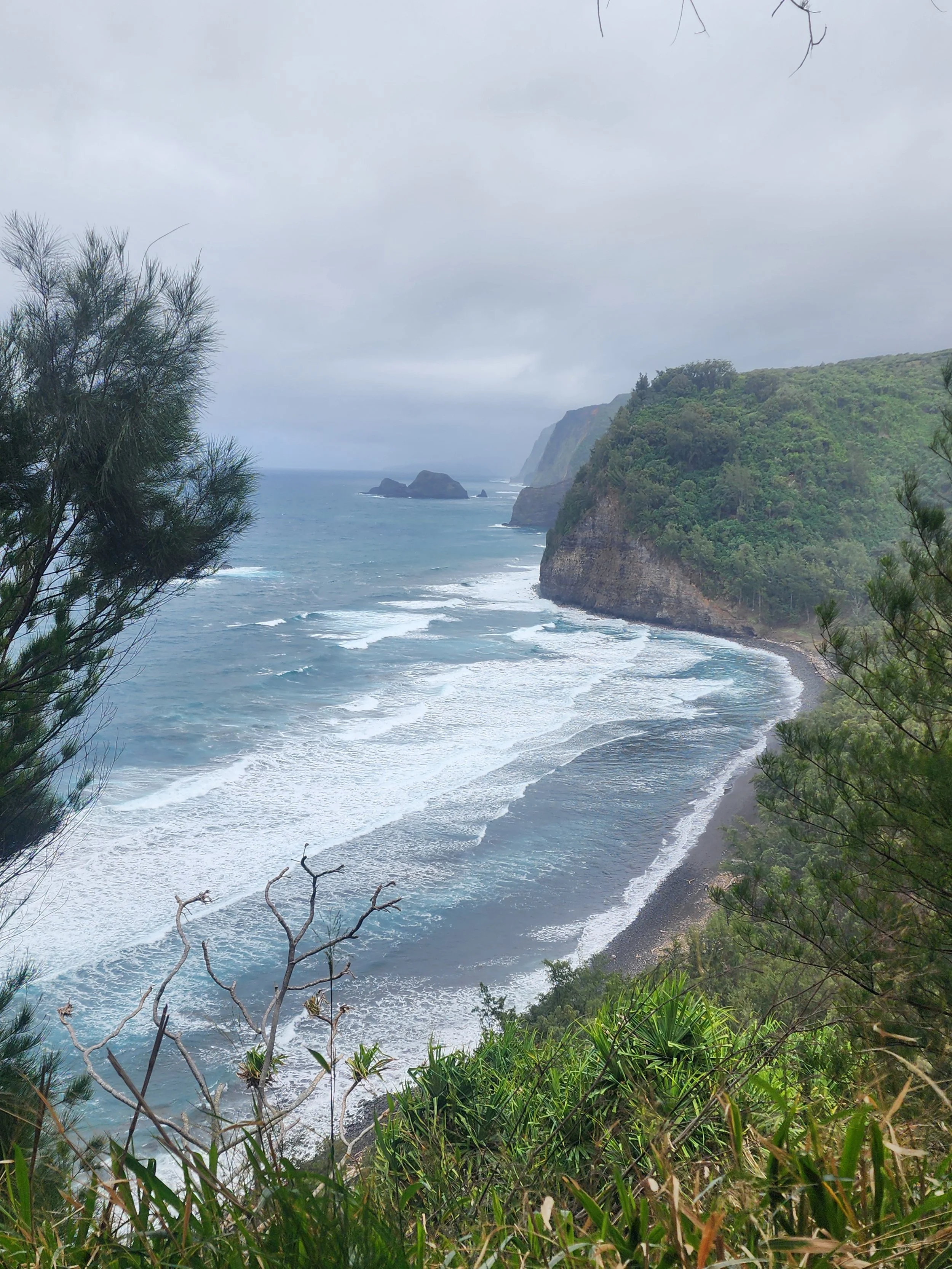
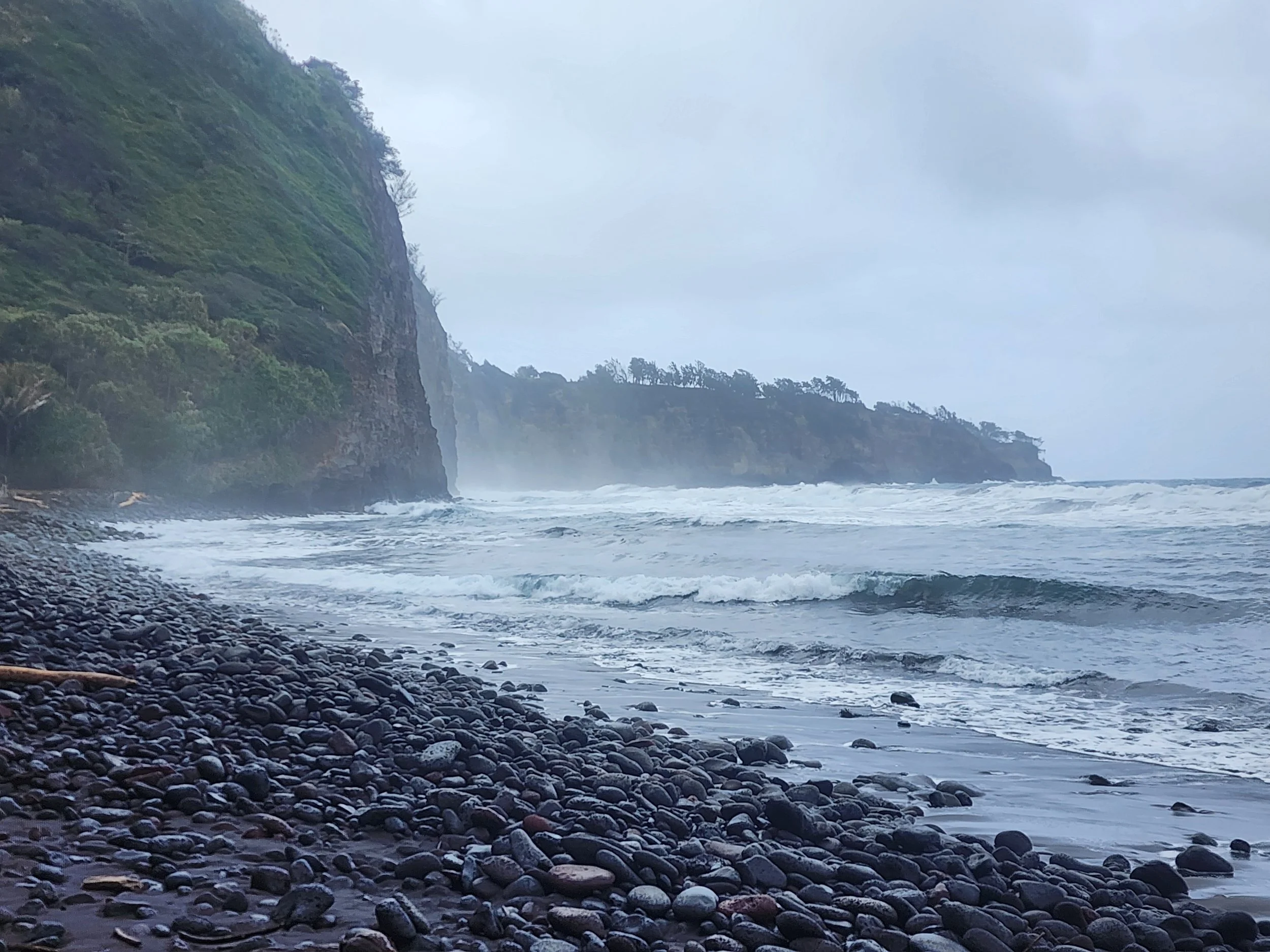
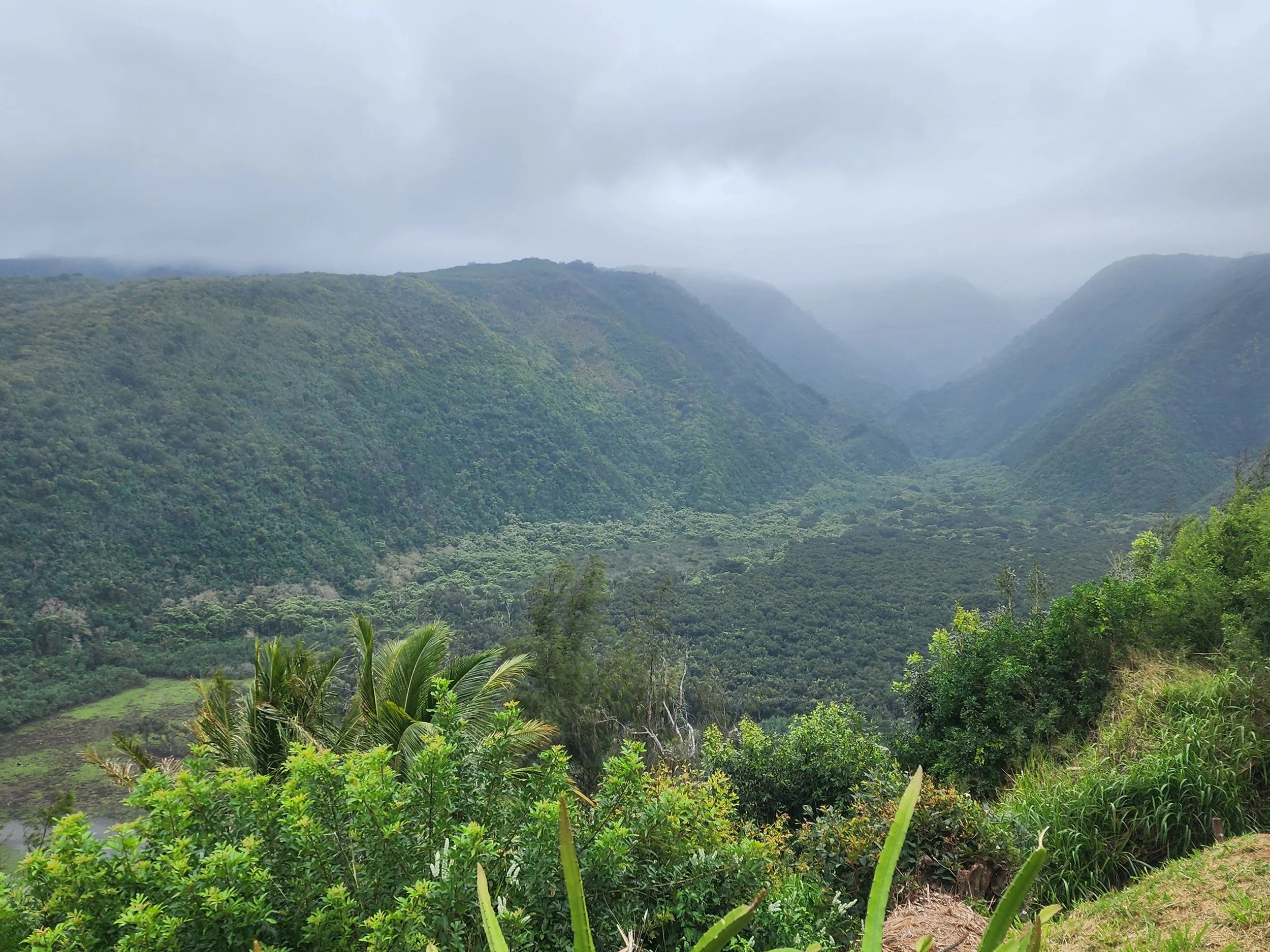
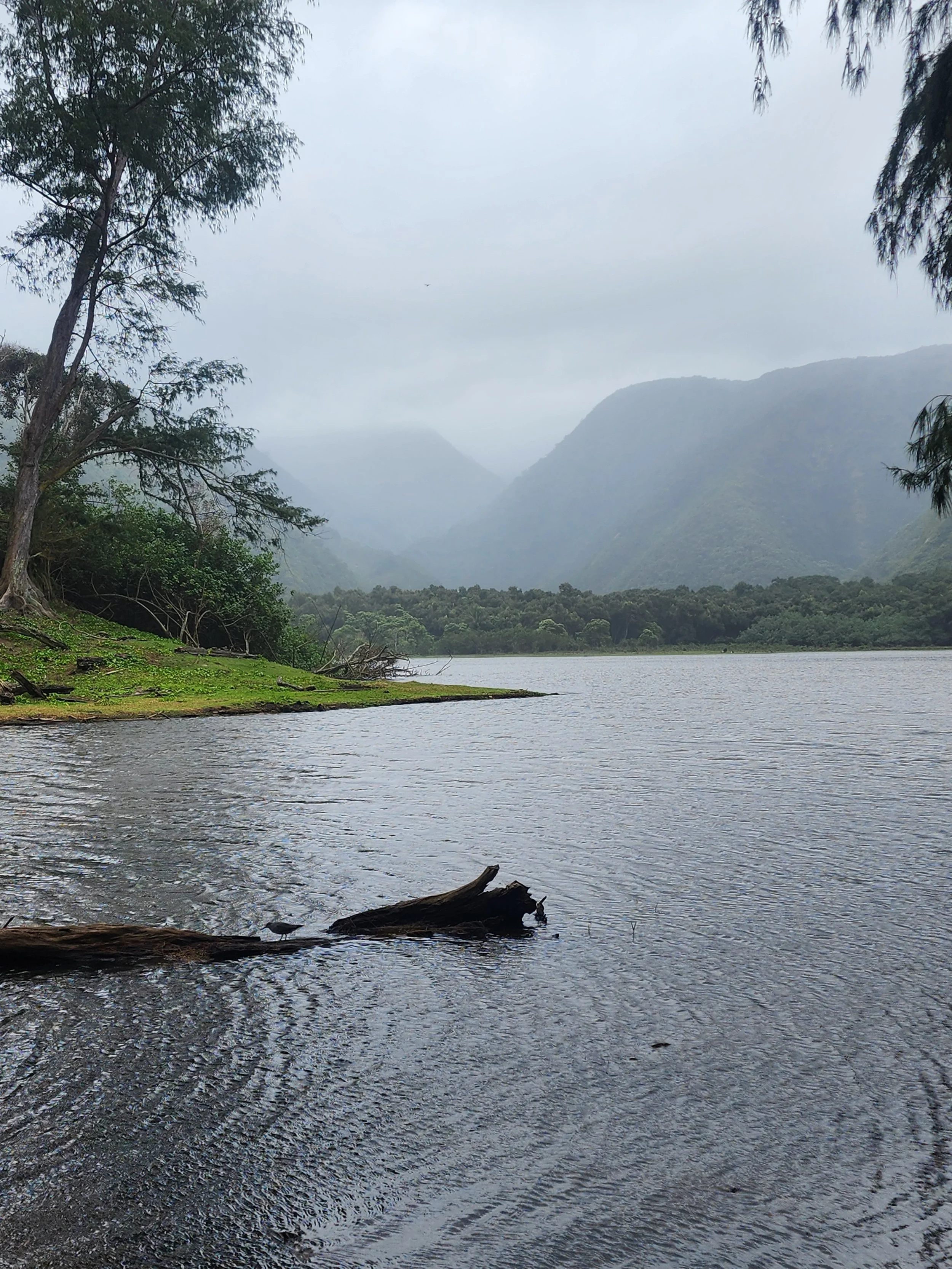
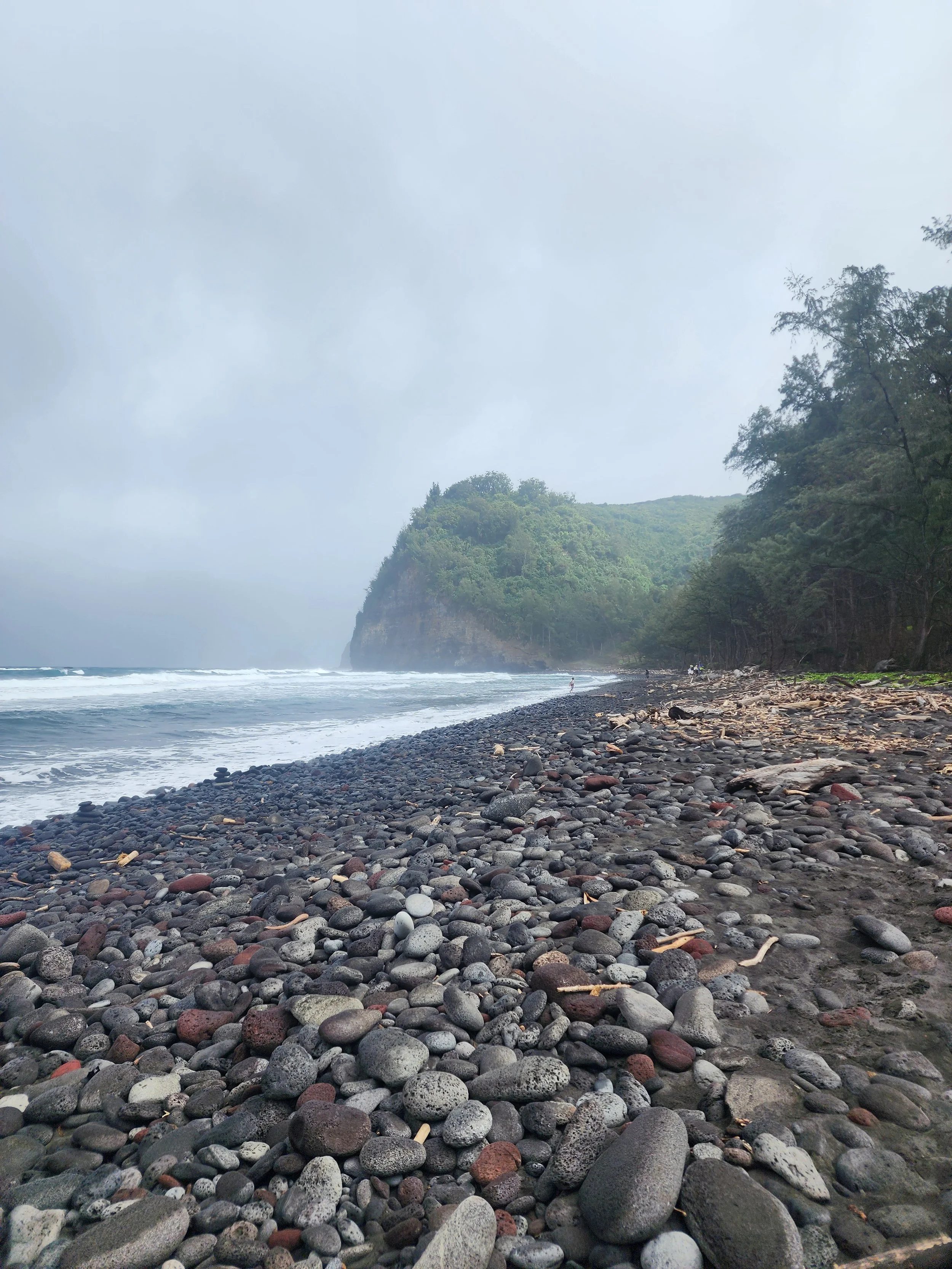
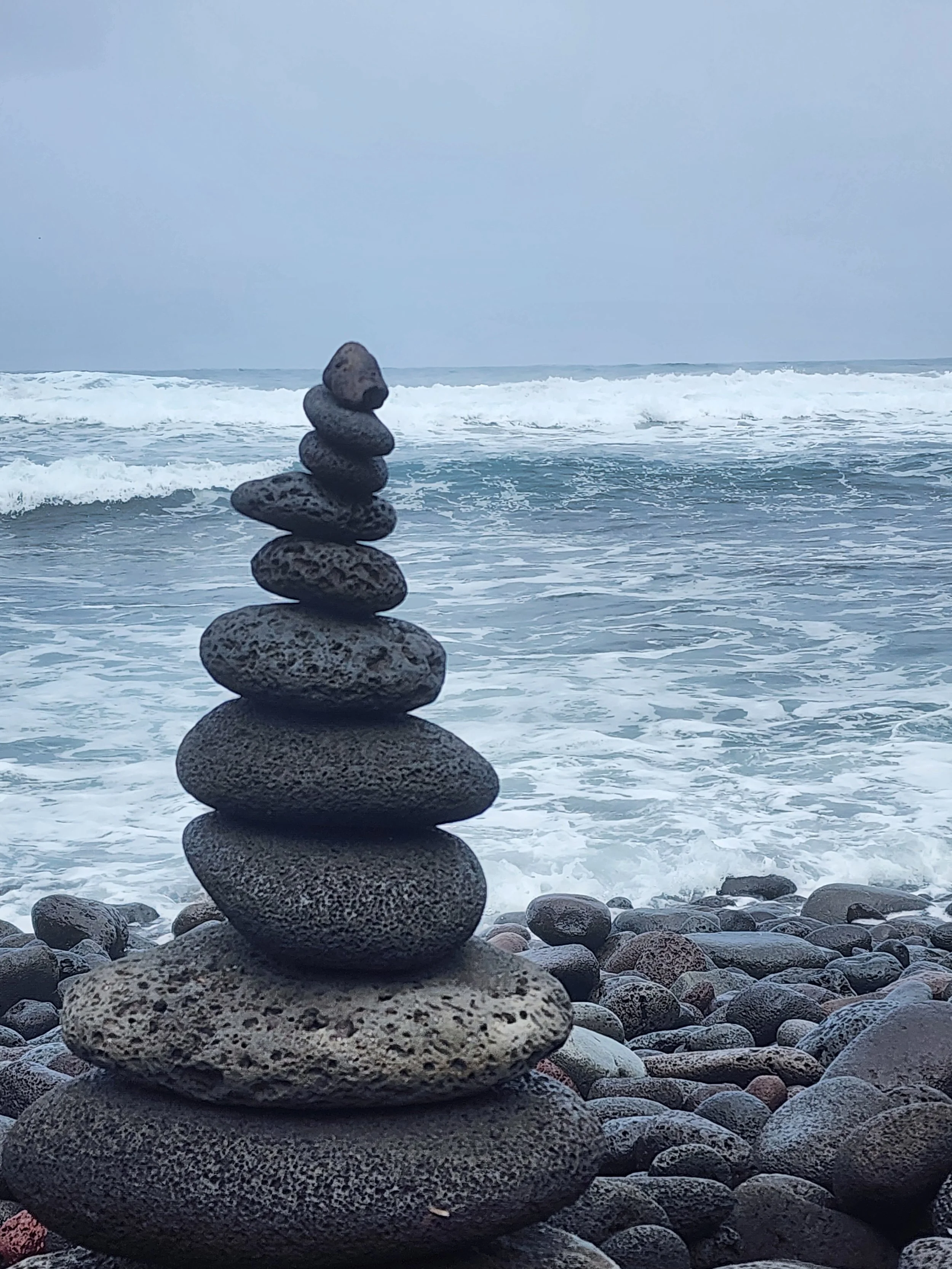
From there, we headed to Pololū Valley Lookout, which was easily the highlight of the day. The parking lot sits at the top of the cliffs, and from there it's about a 30- to 45-minute hike (each way) down to the black sand beach. Along the trail, there are plenty of viewpoints for photos, along with views of the lush valley, rugged coastline, and surrounding mountains. The hike is fairly steep and requires a moderate level of cardio, but there are no sections that require climbing or feel unsafe.
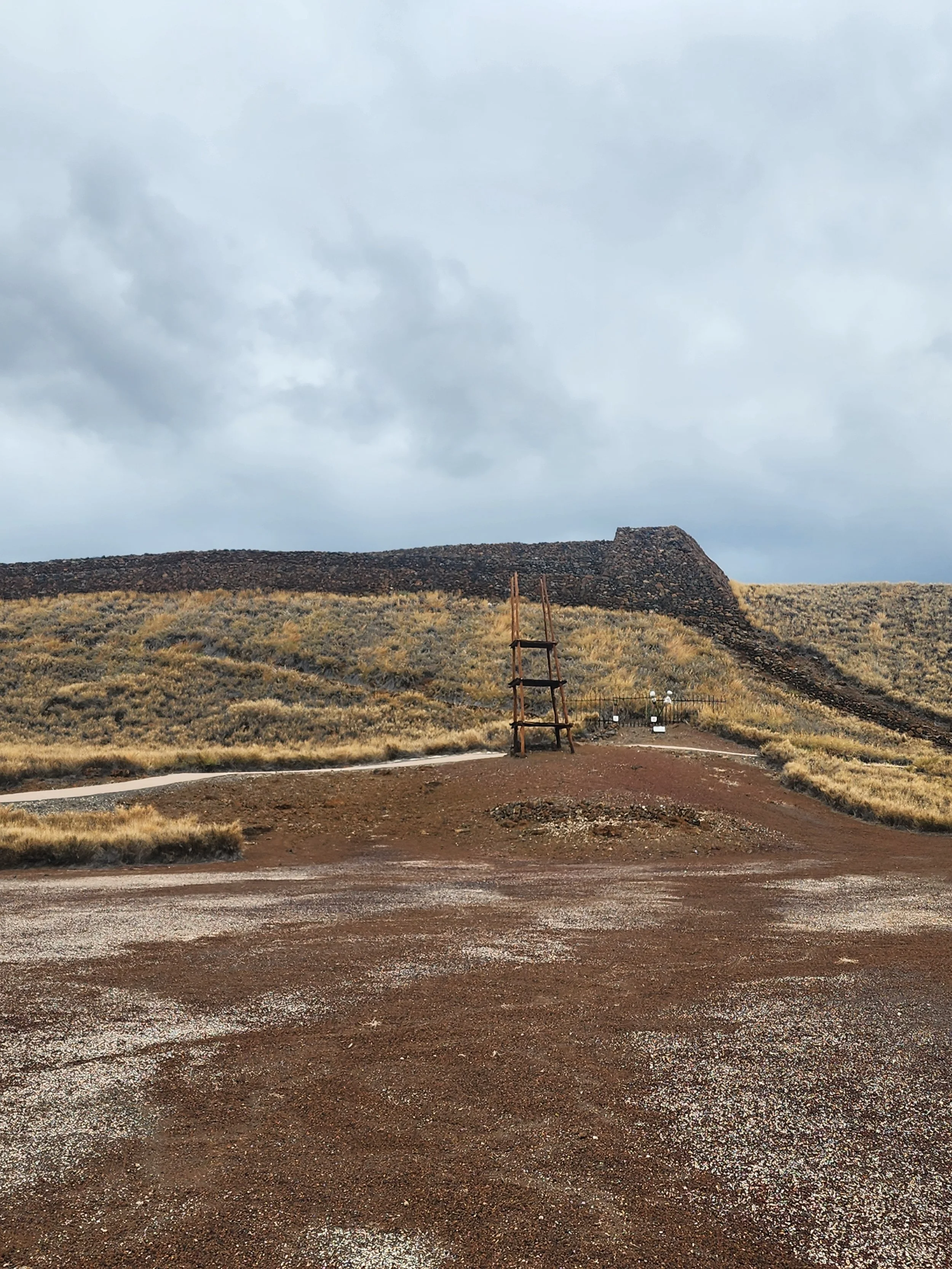
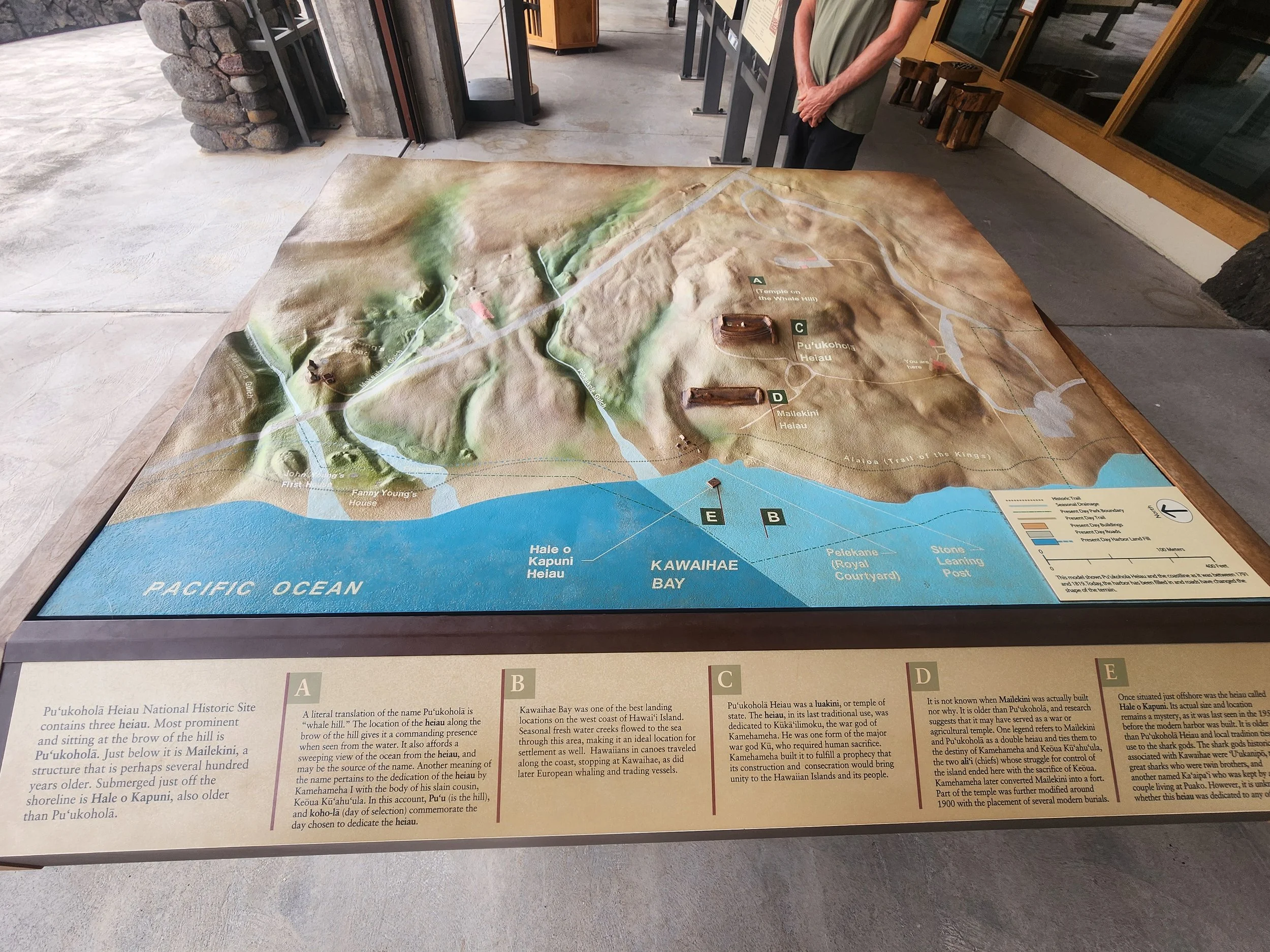
After the hike, we began the drive back toward the resort. Along the way, we stopped at Puʻukoholā Heiau National Historic Site. This Native Hawaiian temple was built in 1791 using lava rock and played an important role in the eventual unification of the Hawaiian Islands under King Kamehameha I. In addition to the temple, there is a short walking trail, a small museum, and a gift shop. Please note that visitors are not permitted to enter the temple itself and must view it from a respectful distance. Nearby is Spencer Beach Park, a public beach that's popular for swimming and relaxing. While pleasant, I didn't find it particularly memorable compared to some of the other beaches we visited on the island.
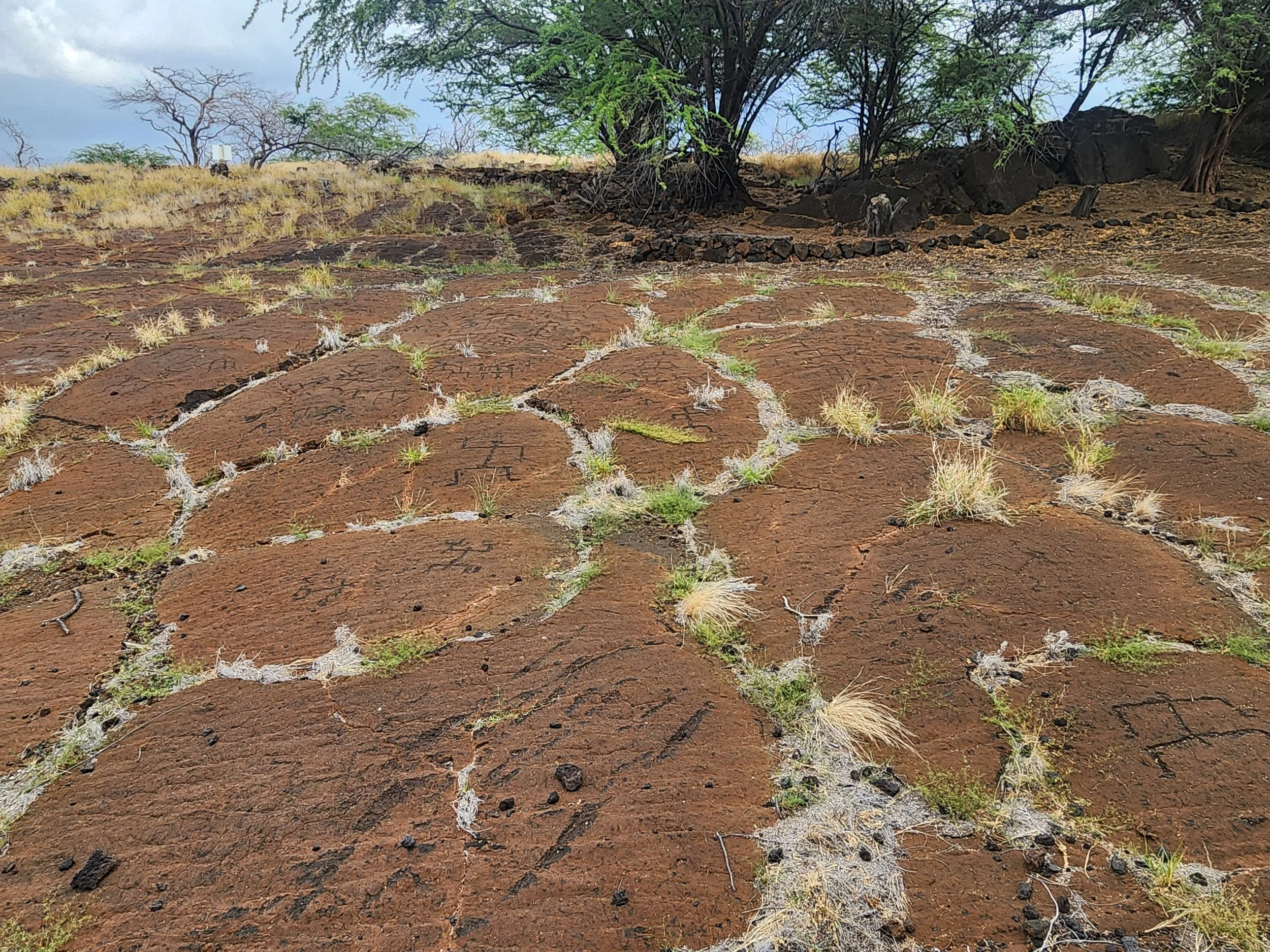
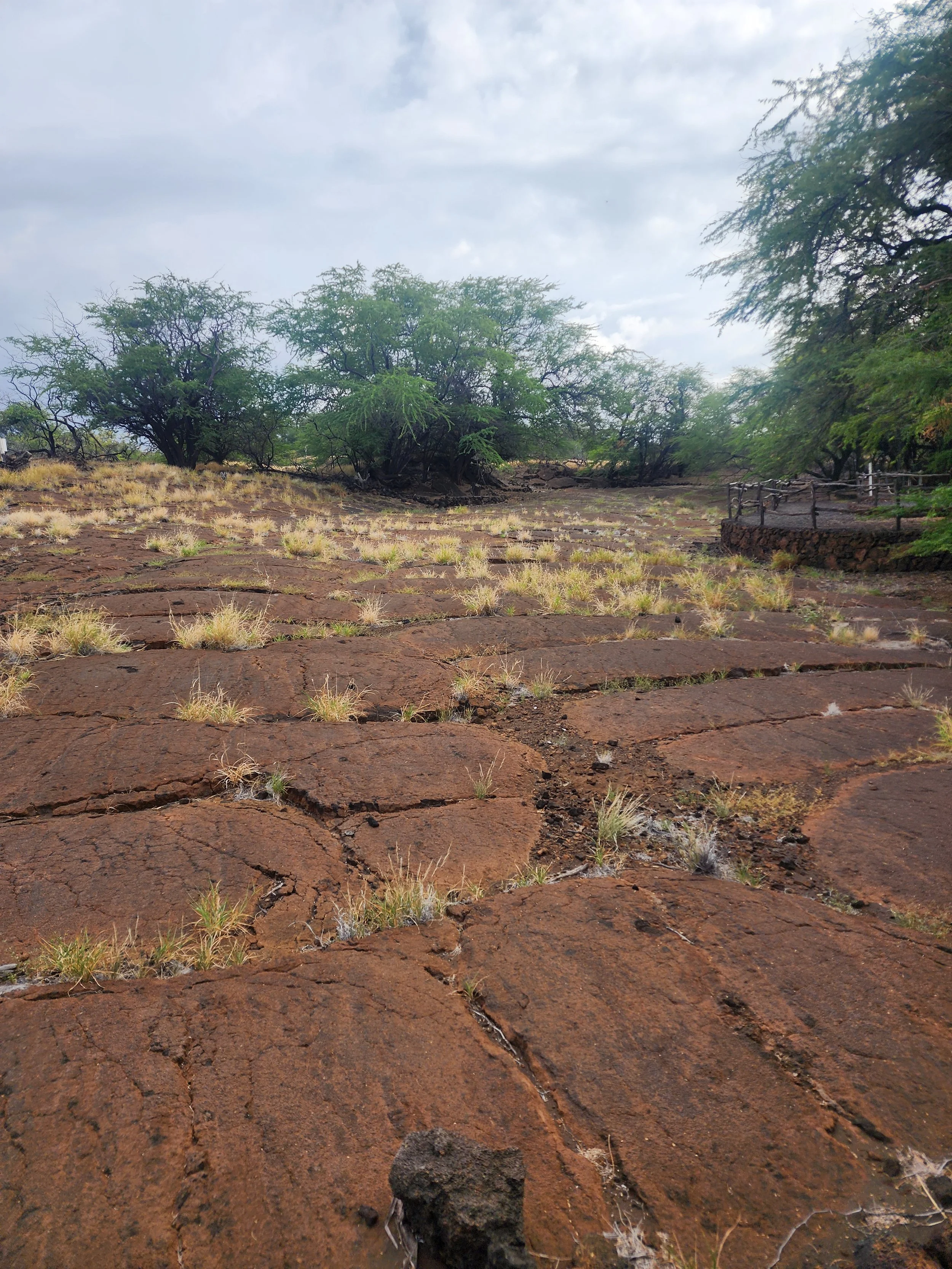
Our final stop of the day was the Puakō Petroglyph Archaeological Preserve, located within one of the Kohala Coast resort communities. The site contains thousands of petroglyphs carved into hardened lava by Native Hawaiians. The main collection is about a 20-minute walk over flat terrain from the parking lot; however, if you're short on time, there are a few examples just a few minutes down the trail. This was one of the more unique historical sites we visited, combining the island's volcanic landscape with centuries of Native Hawaiian history.
While I don't have many pictures from it, we did the Manta Ray Night Snorkel adventure after dinner. I would recommend booking a tour in advance (ideally before arriving in Hawaii), as the tours can fill up and sell out. This was definitely one of the top experiences we had on the island, as you can come within just a few feet of giant manta rays, and there are very few, if any, other places in the world where you can have a similar experience.
This wrapped up our first day exploring the Big Island.
Day 2: Mauna Kea Summit & Daniel K. Inouye Highway
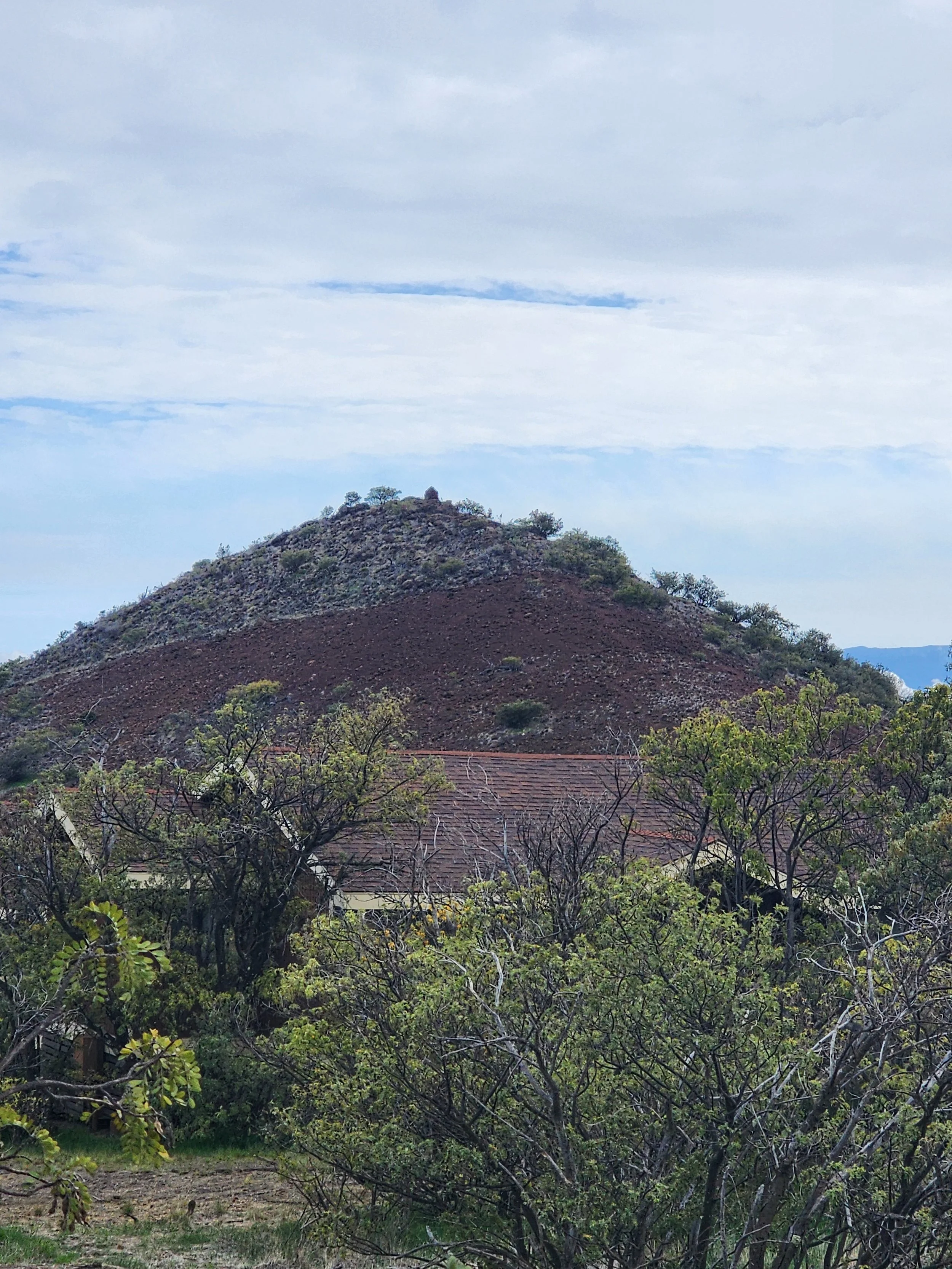
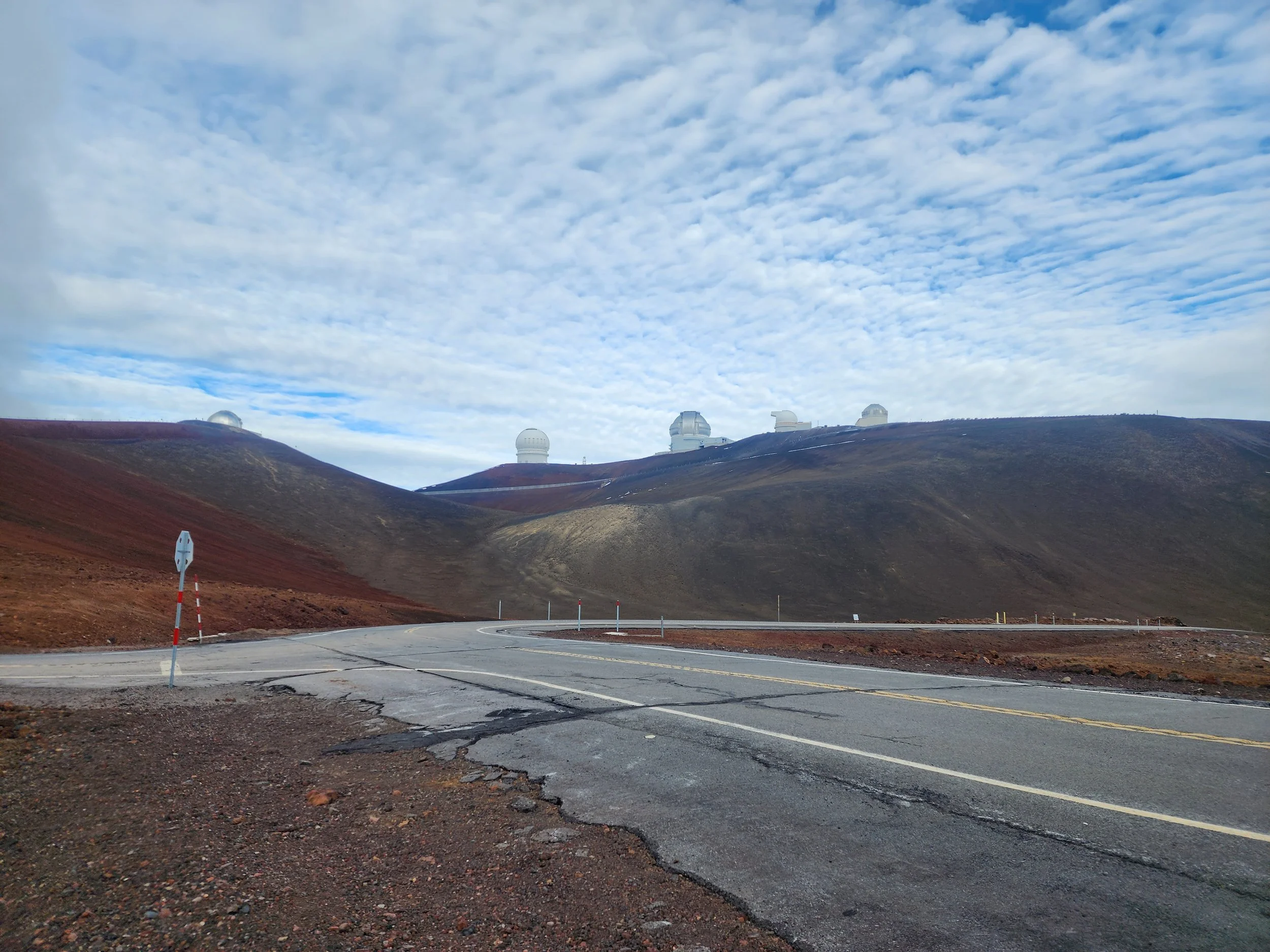
On our second day, we planned to visit the summit of Mauna Kea, Hawaii's tallest mountain, which is also home to many astronomical observatories. The best time to visit is around sunset, so we had the morning to relax and enjoy the resort before heading out in the afternoon.
Mauna Kea is one of the island's most popular attractions, and I would generally recommend visiting with a tour company, as the drive to the summit requires some experience, particularly after dark. The tours do fill up, so it's worth booking in advance. Most tours last about eight hours and are timed so that you'll reach the summit around sunset. It also gets surprisingly cold at the top of the mountain, even when it's hot near the beach. We brought coats, hats, gloves, and scarves, but still ended up using the parkas provided by the tour company.
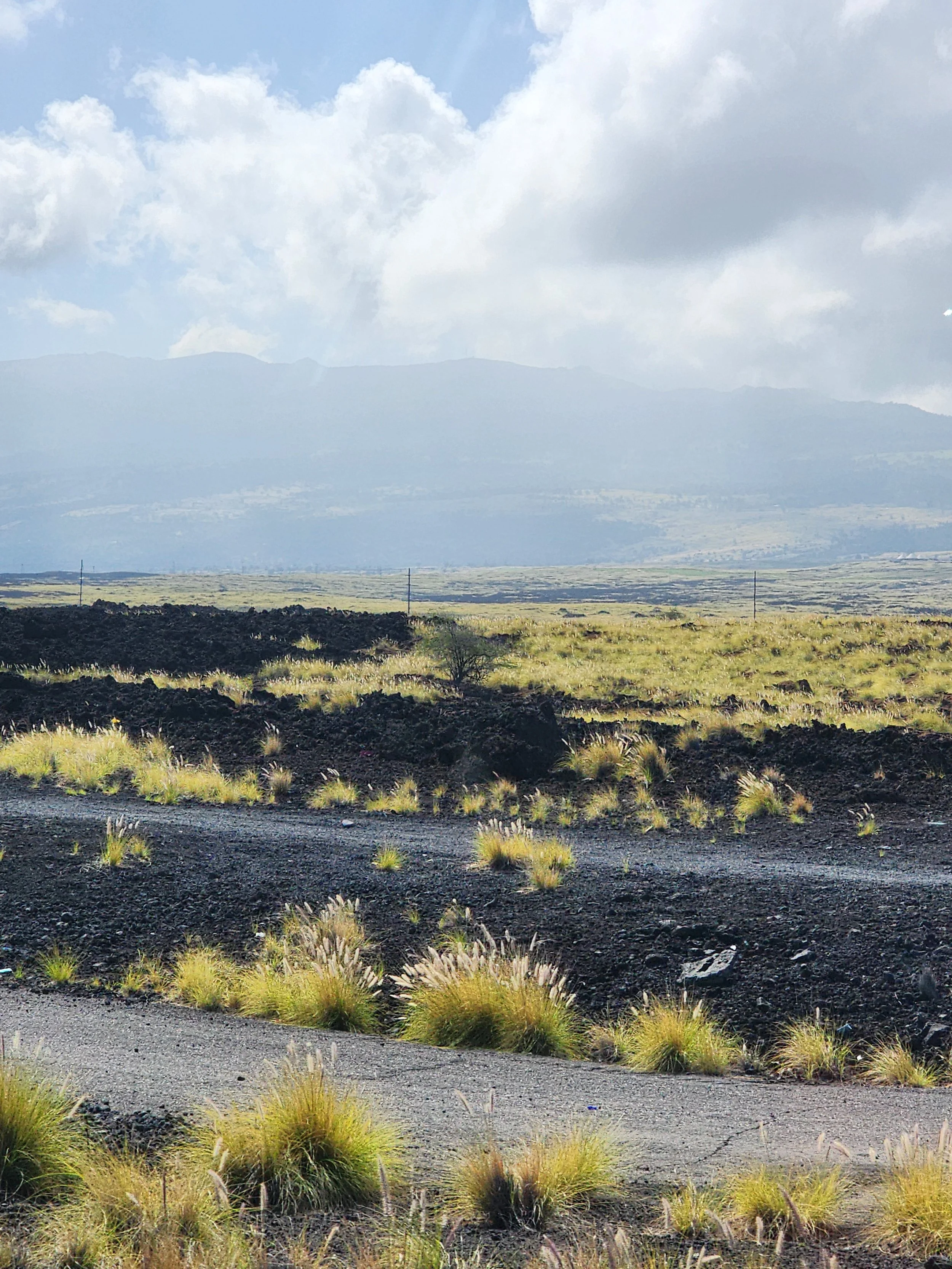
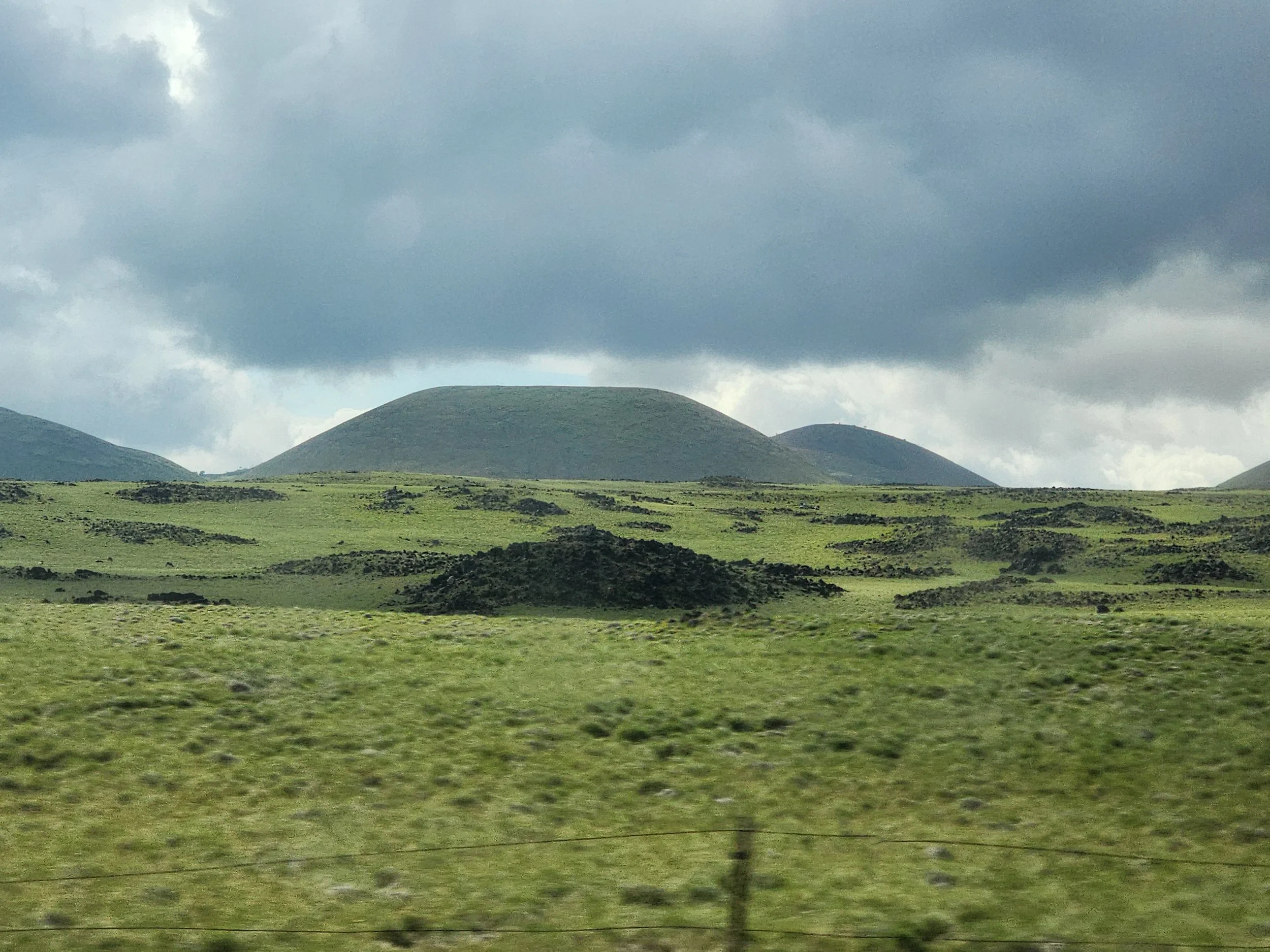
On the drive from the west side of the island, you'll travel along the Daniel K. Inouye Highway (also known as Saddle Road), which passes through lava fields, grasslands, and volcanic cinder cones before climbing toward Mauna Kea.
As you make your way toward the summit, you'll be required to stop for about an hour at the Mauna Kea Visitor Information Station to acclimatize to the elevation. The visitor center sits at about 9,200 feet above sea level, while the summit reaches nearly 13,800 feet. During the stop, there is a small museum and gift shop to explore.
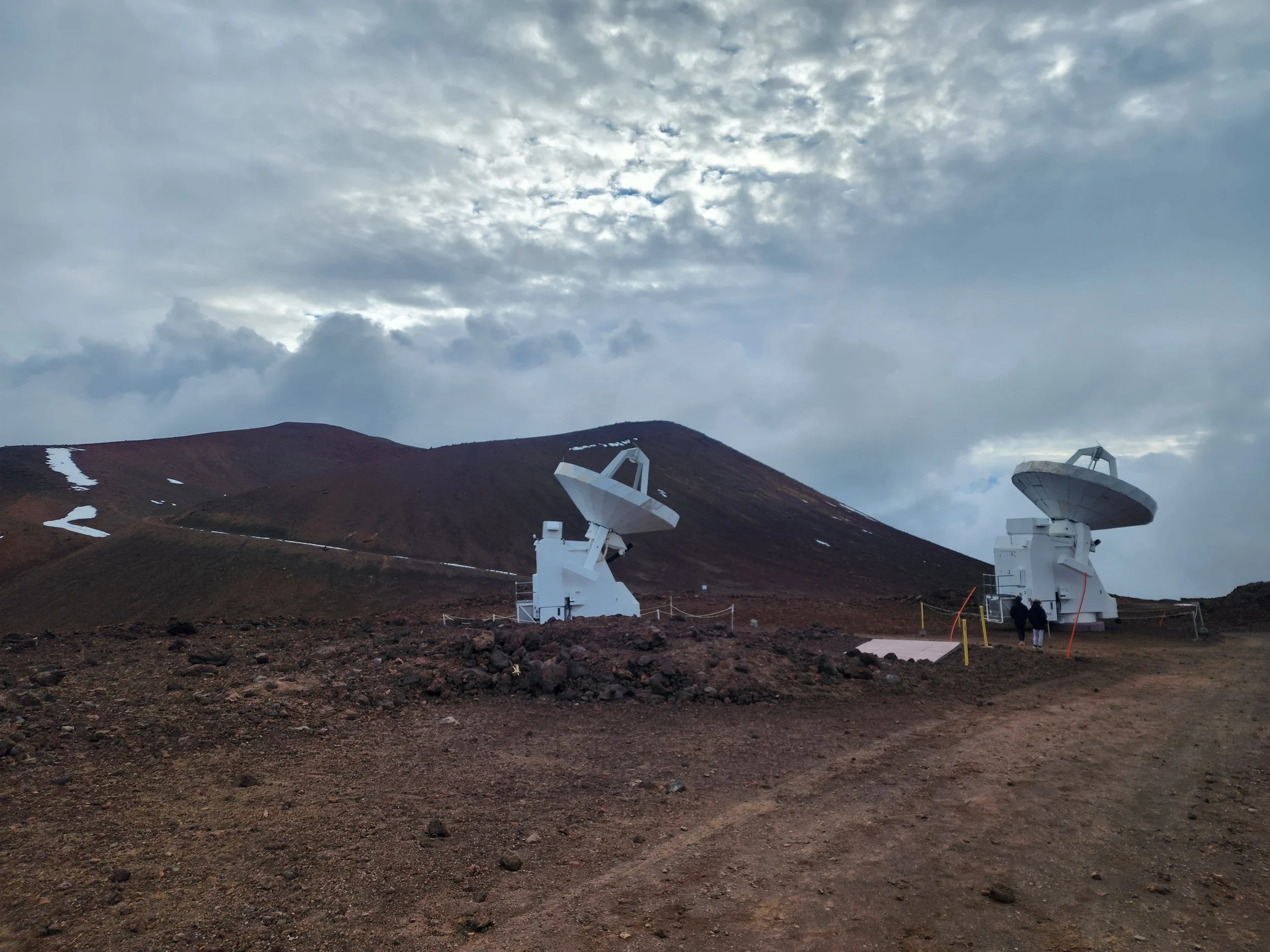
After the acclimatization stop, the tour continues slowly up the winding road to the summit. Near the top of the mountain are observatories operated by several different countries. Mauna Kea is considered one of the world's premier locations for astronomical observation because of its exceptionally dry air, minimal atmospheric turbulence, low light pollution, and generally stable weather above the cloud layer.
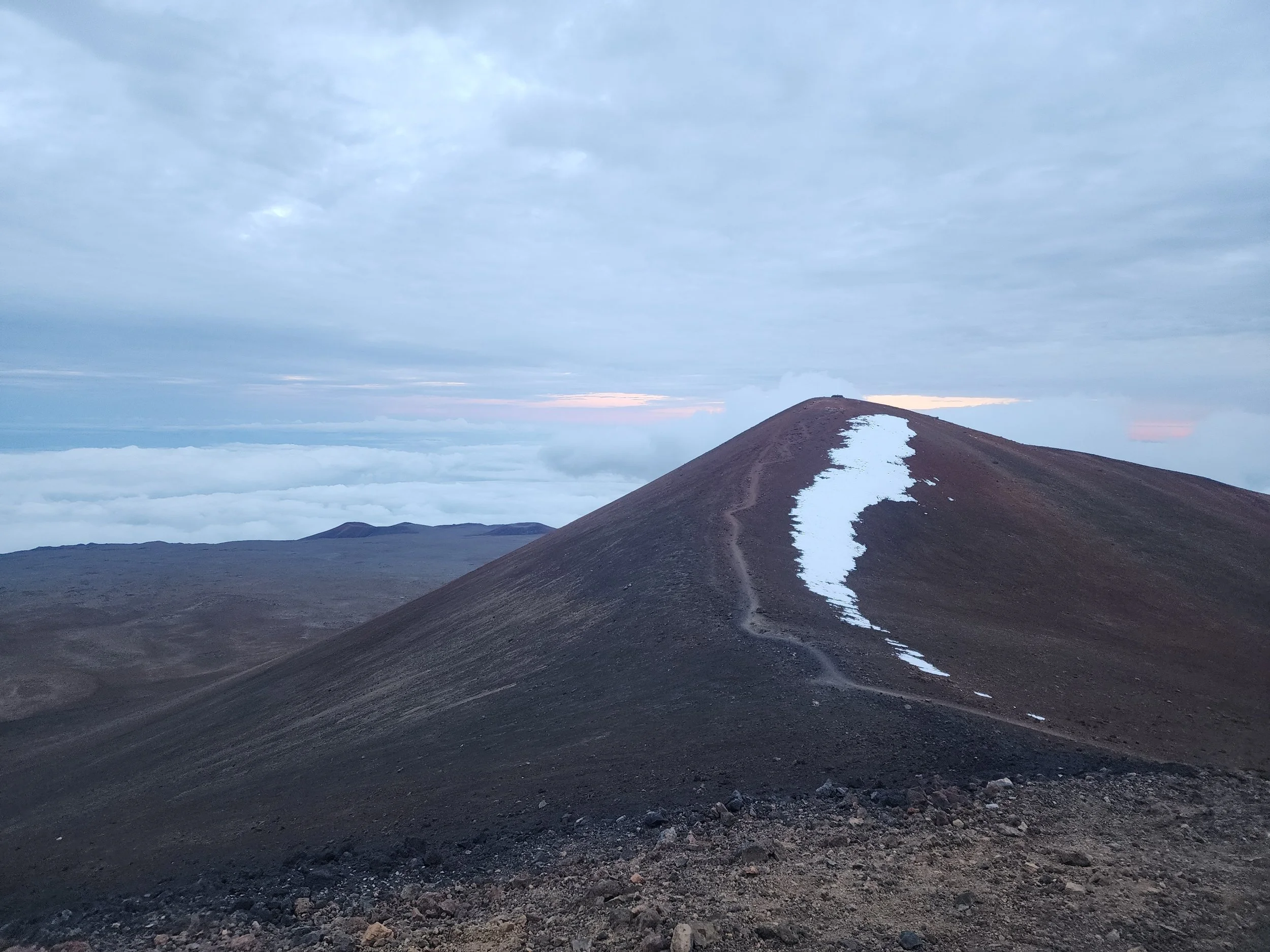
As mentioned, sunset is the best time to visit, and on a clear day you can watch the sun set over the Pacific Ocean. We didn't have the clearest weather, but the sunset over the clouds was still impressive. Once the sun goes down, visitors are generally required to begin descending the mountain so that vehicle headlights don't interfere with the observatories, which begin operating after dark. Many tours stop farther down the mountain for stargazing before returning to the resort. One thing to note is that you’re not allowed to access the true summit of Mauna Kea as this is considered a religious site that is restricted to Native Hawaiians who follow the native religion.
Unfortunately, on the day we visited, a winter storm was moving in. (Yes, it snows on Mauna Kea even while it's warm and tropical at sea level.) The road between the summit and the visitor center closed shortly after sunset so that everyone could descend before icy conditions developed. The incoming clouds also meant we weren't able to see the night sky, so our tour ended a bit earlier than expected.
This concluded our second day.
Day 3: Rainbow Falls, Hilo, Hawaiʻi Tropical Bioreserve & Garden, ʻAkaka Falls
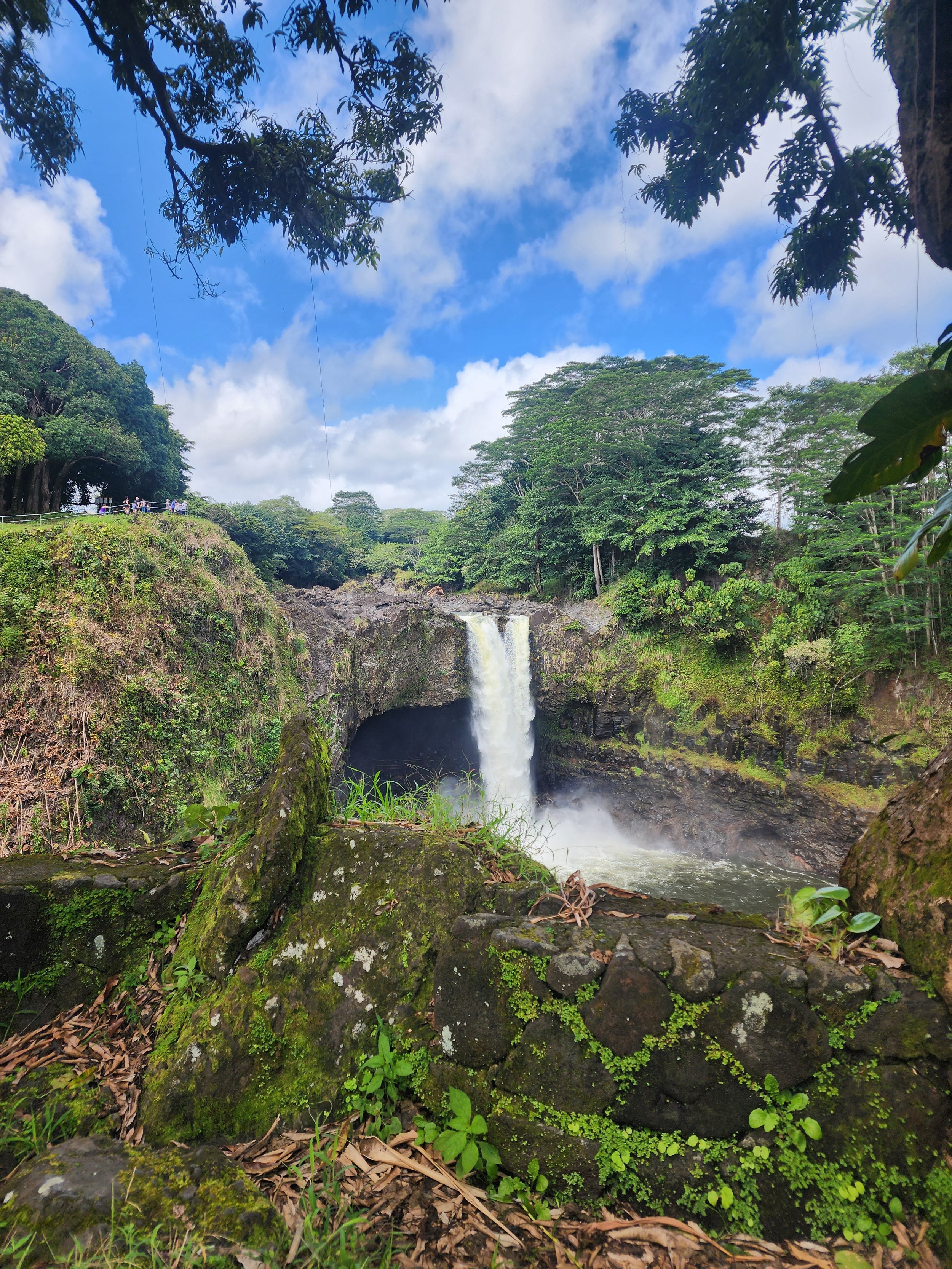
Our third day on the Big Island was centered around Hilo and the surrounding areas. Each part of the Big Island feels entirely unique, from lush green fields to lunar landscapes and barren lava fields. Today was no different, with much of the scenery resembling a tropical rainforest. From our hotel on the western coast of the island, we drove about an hour and a half to Hilo, the largest town on the eastern side of the island. Near Hilo was our first stop of the day, Rainbow Falls, an 80-foot waterfall on the Wailuku River. It takes its name from the mist at the bottom of the waterfall, which often creates rainbows in the sunlight.
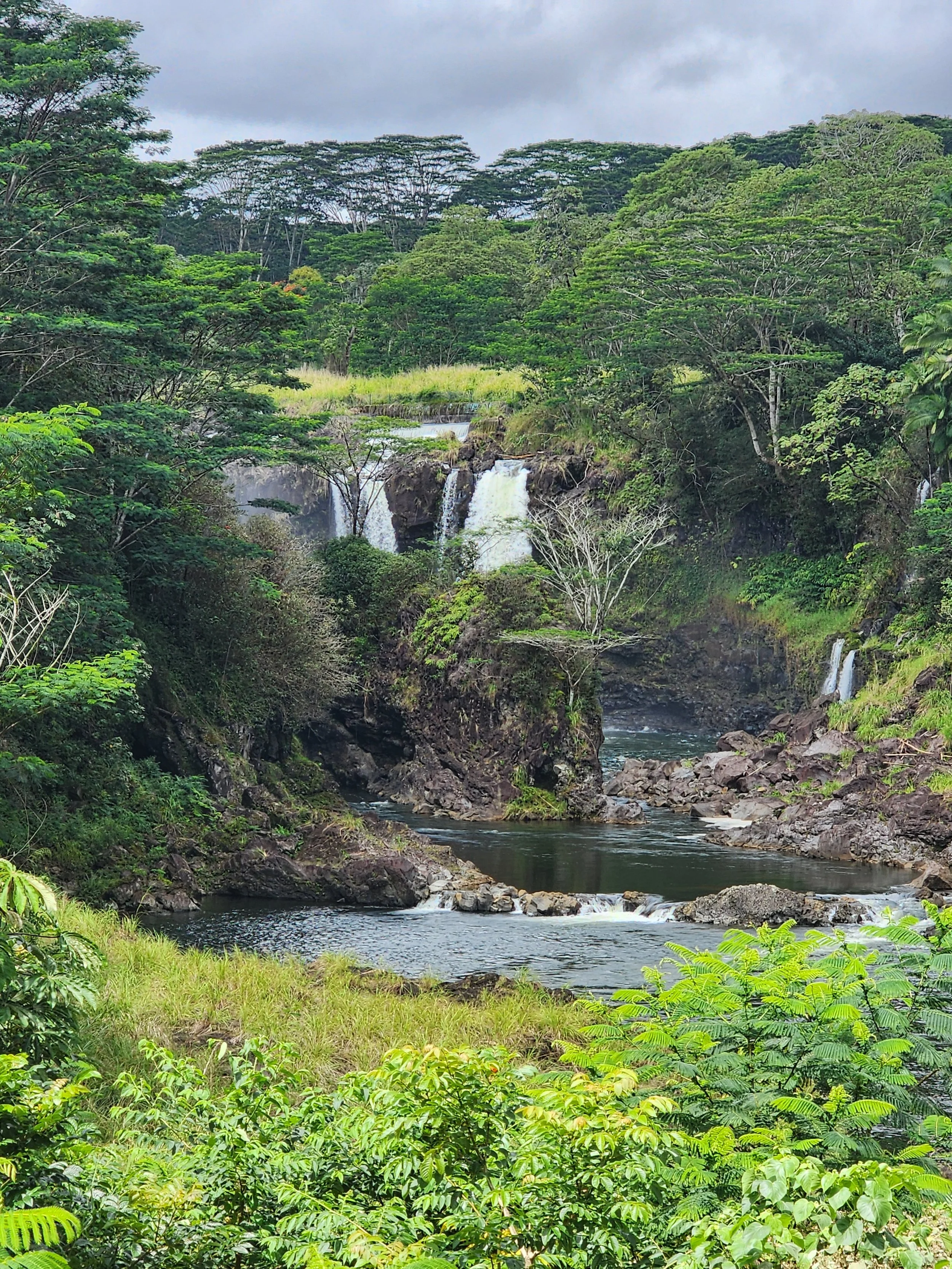
A few minutes' drive away, also along the Wailuku River, are the Boiling Pots. Here, water swirls through a series of connected pools formed by old lava flows, creating the appearance of boiling water. Both Rainbow Falls and Boiling Pots have nearby parking lots, but each requires a separate parking fee, as do many of the other stops on the Big Island.
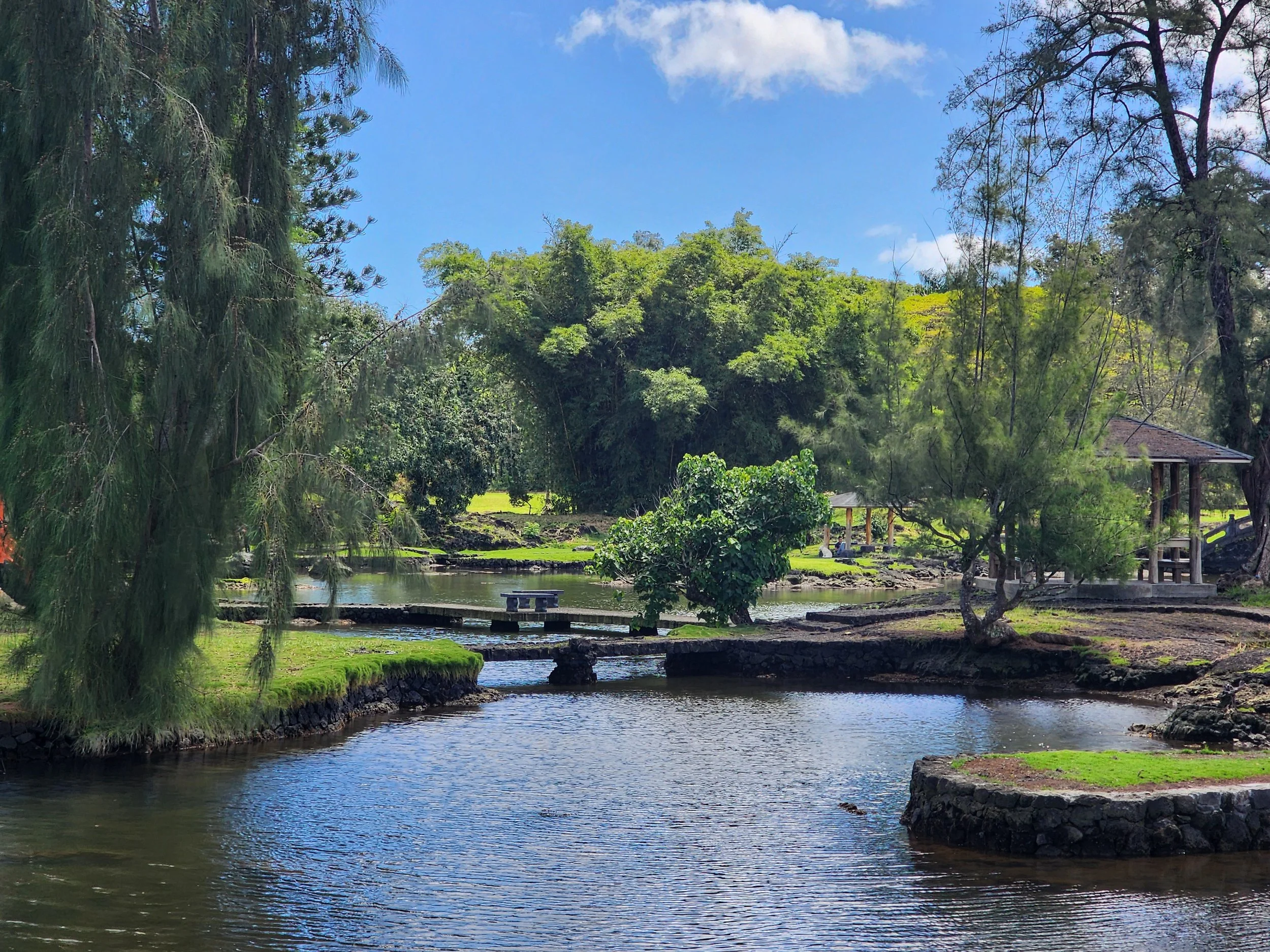
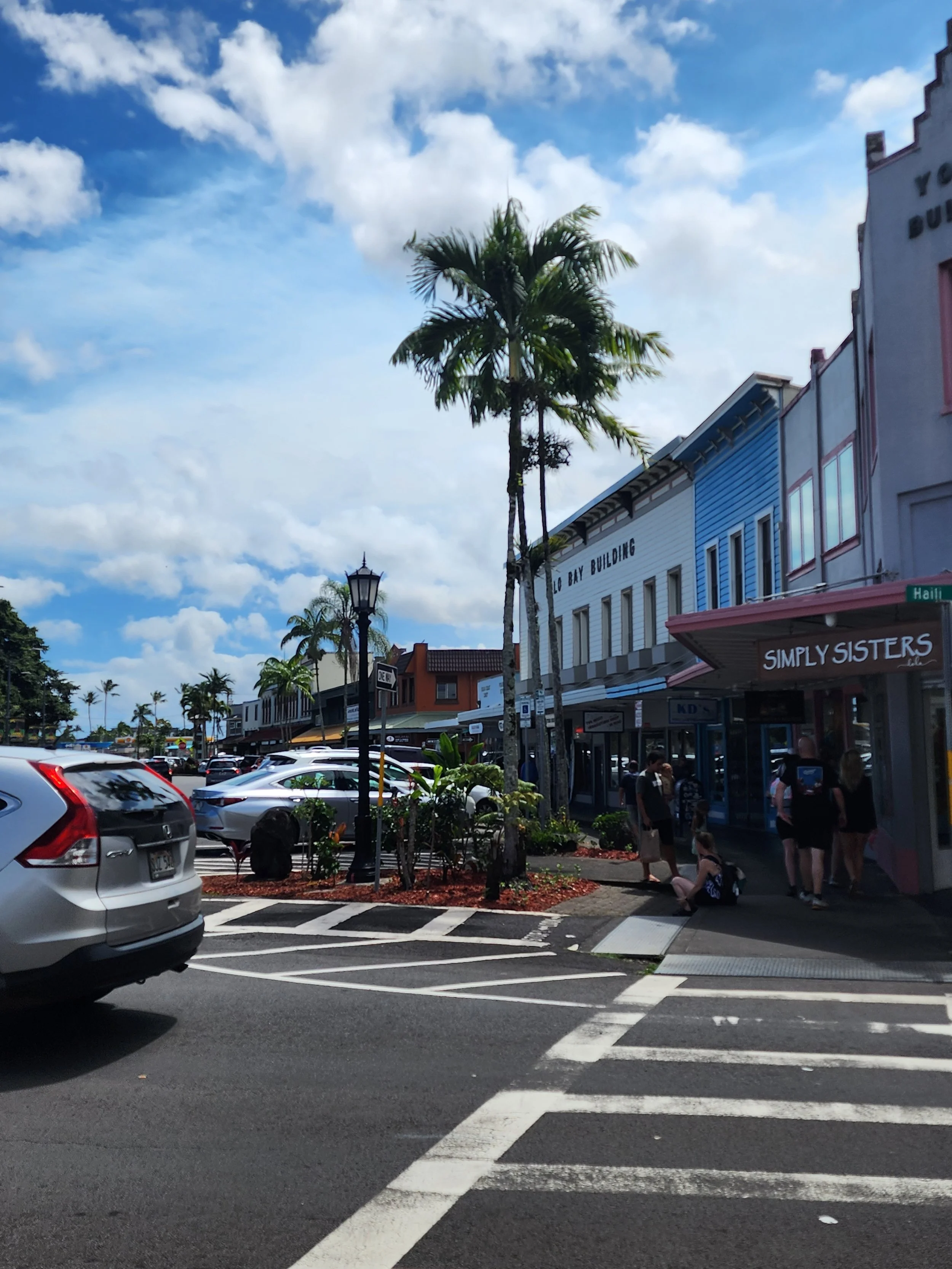
Next, we stopped for lunch in Hilo. The main area of town sits along the water and contains many restaurants, beach shops, and boutiques, similar to what you might expect in a typical coastal town. Nearby are the Liliʻuokalani Gardens, a 24-acre park with strong Japanese influences, including pagodas, arched bridges, ponds, and stone lanterns. The park feels surprisingly manicured compared with many of the more natural landscapes we encountered throughout Hawaii.
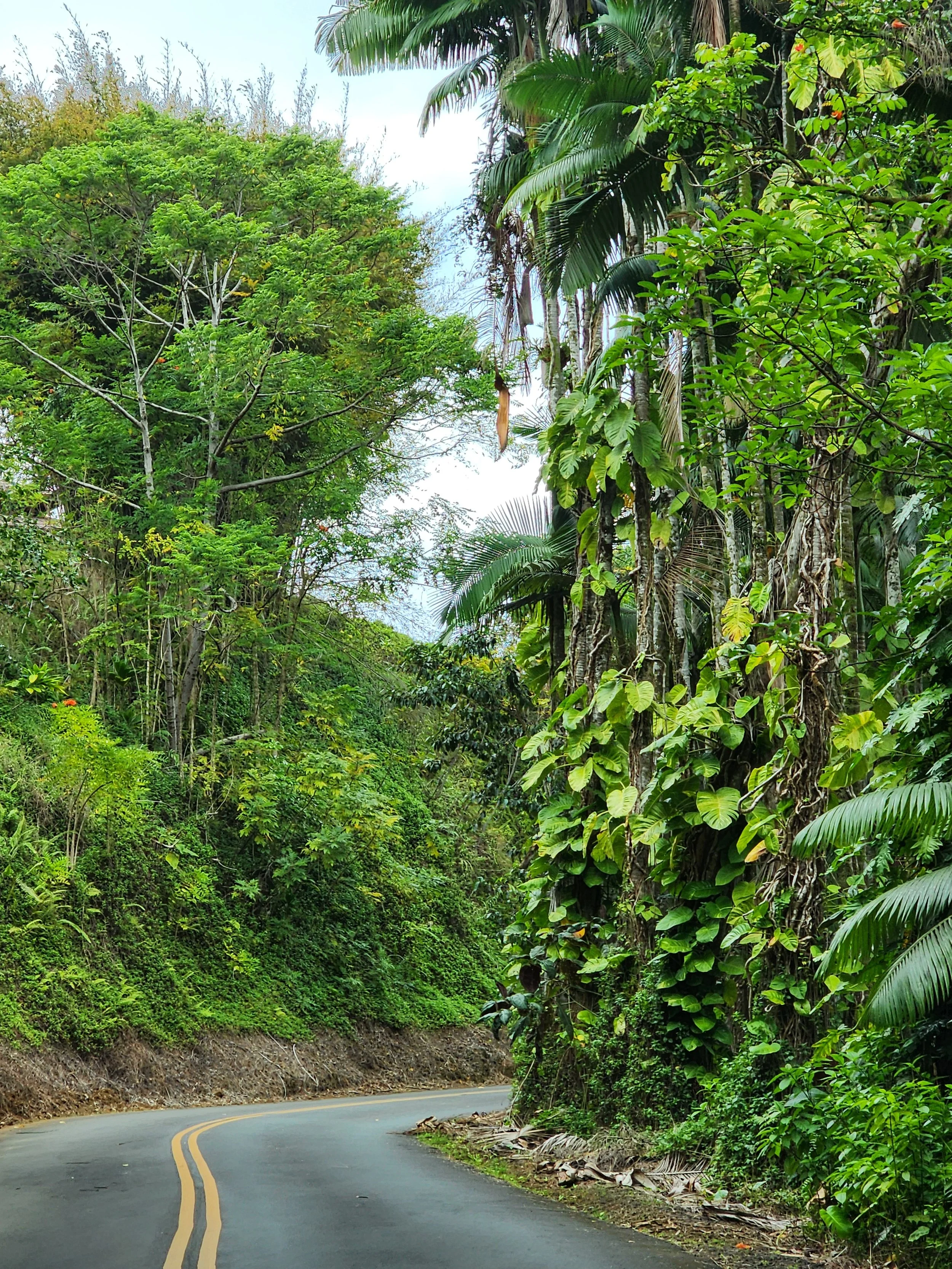
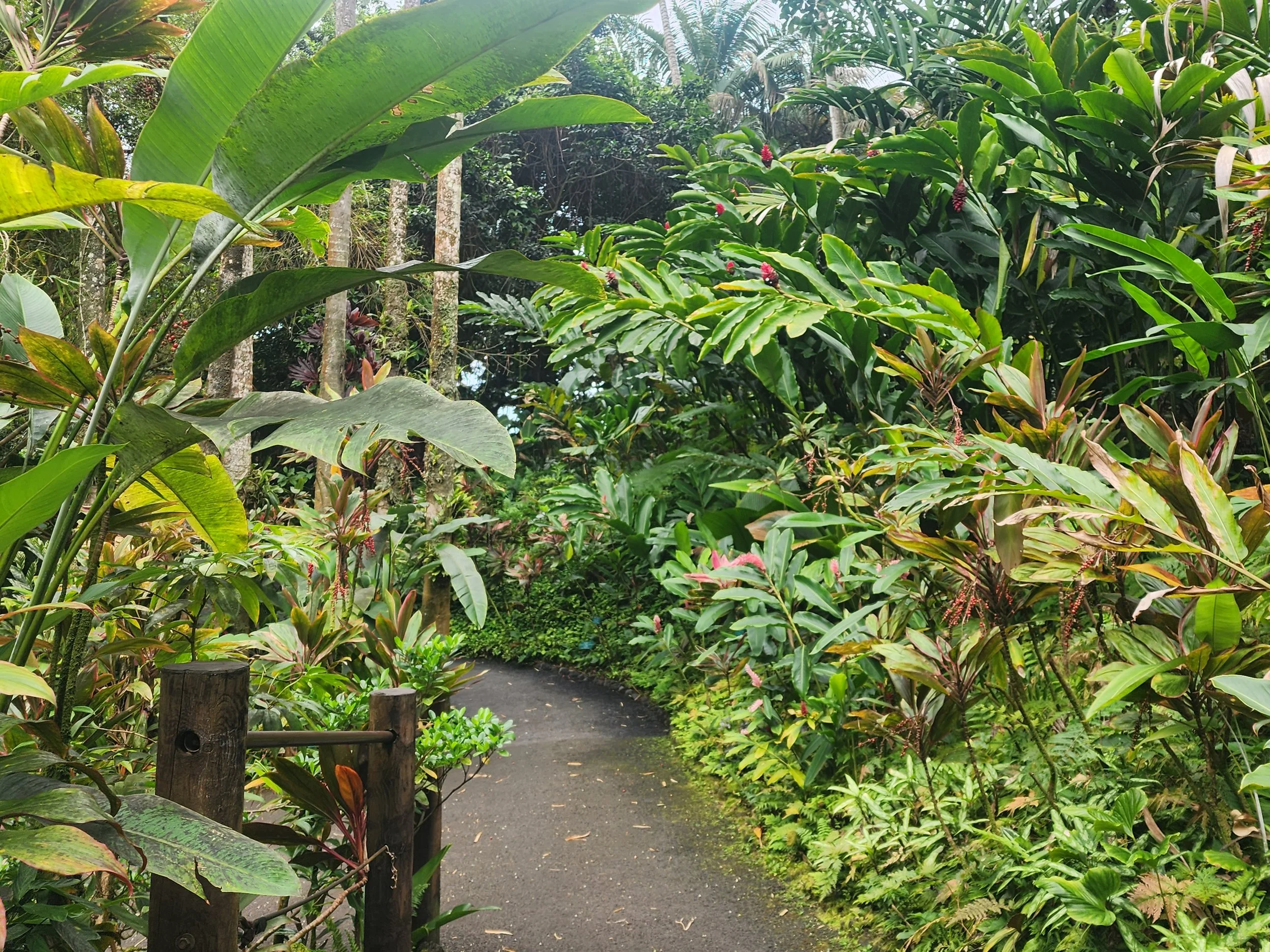
After lunch, we headed toward the Hawaiʻi Tropical Bioreserve & Garden. There are two routes to get there: a slightly shorter one along Highway 19 and a more scenic option, appropriately named the Onomea Scenic Drive, which follows part of the Old Māmalahoa Highway. We took the latter route, and it really felt like driving through a jungle, with massive trees and truly unique foliage surrounding the road. For the extra 10–15 minutes it adds, I would highly recommend it.
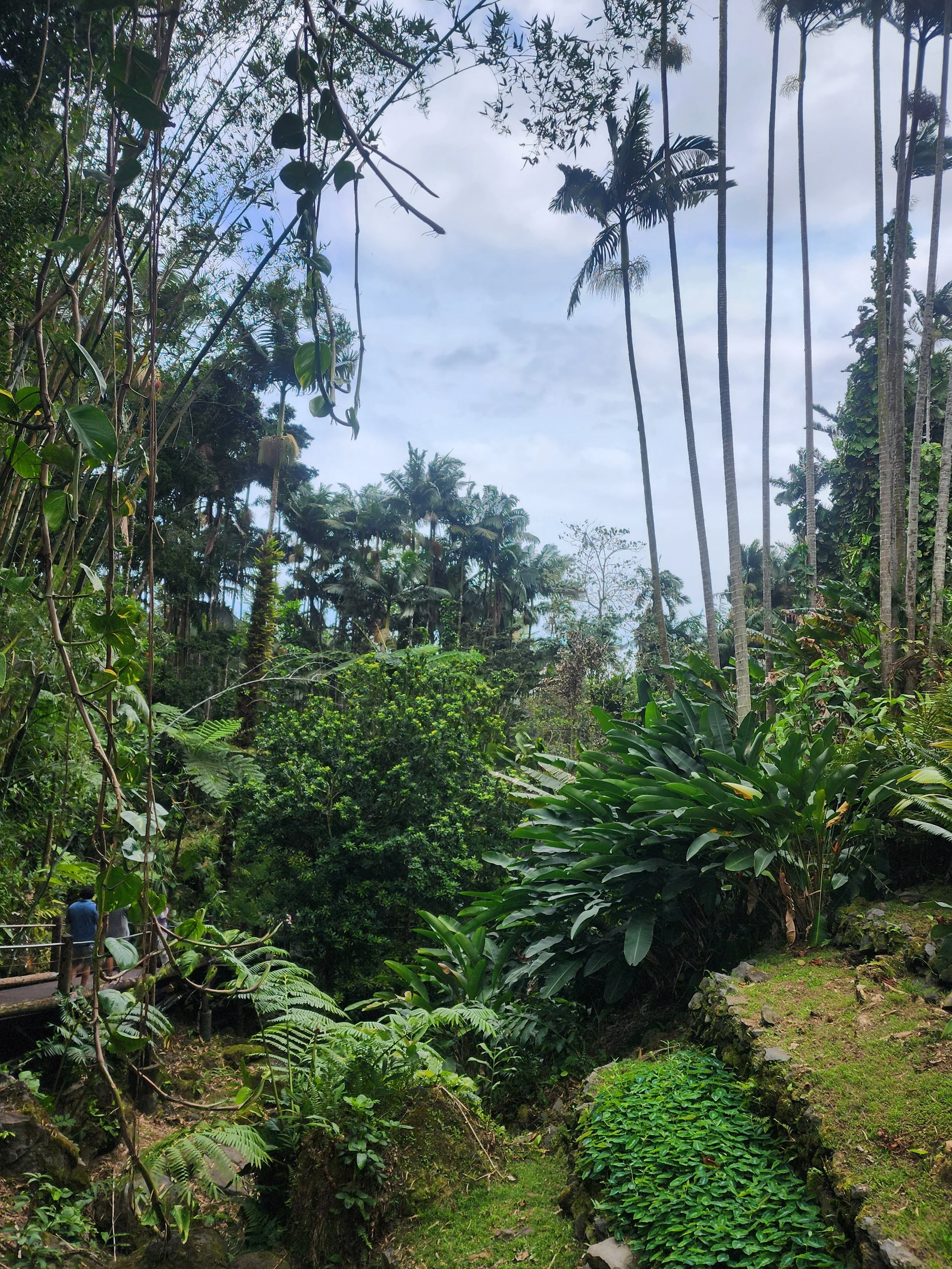
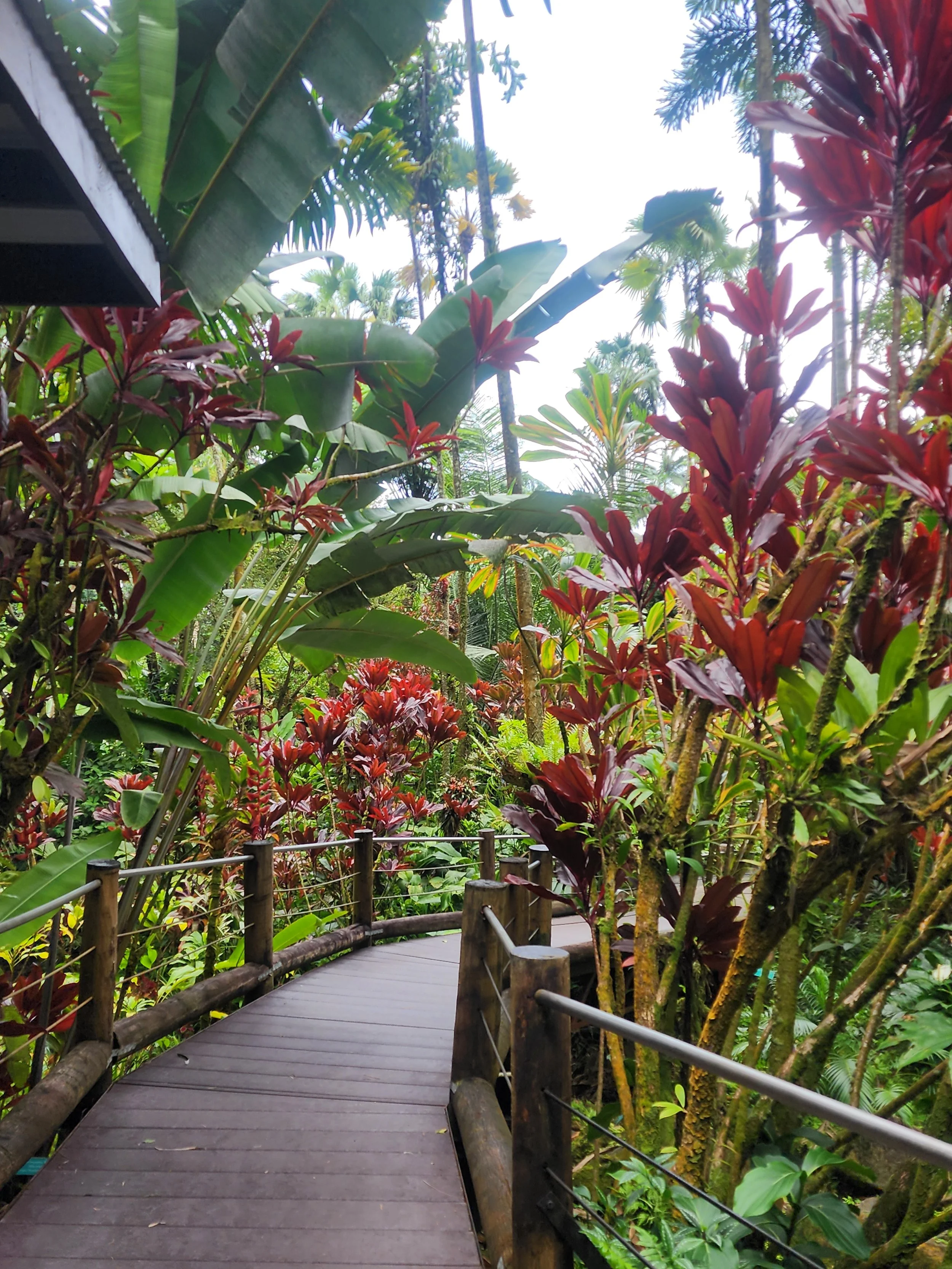
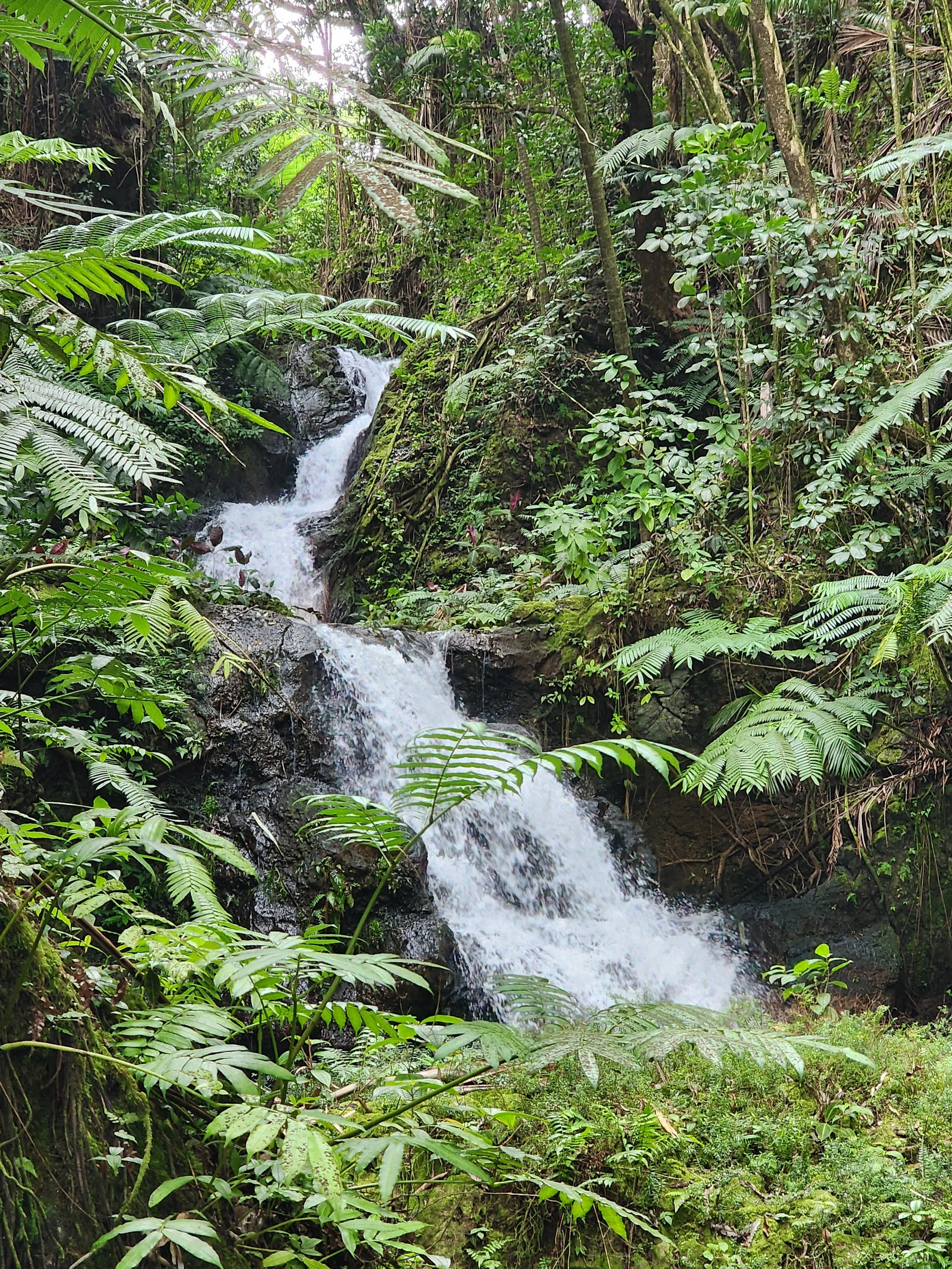
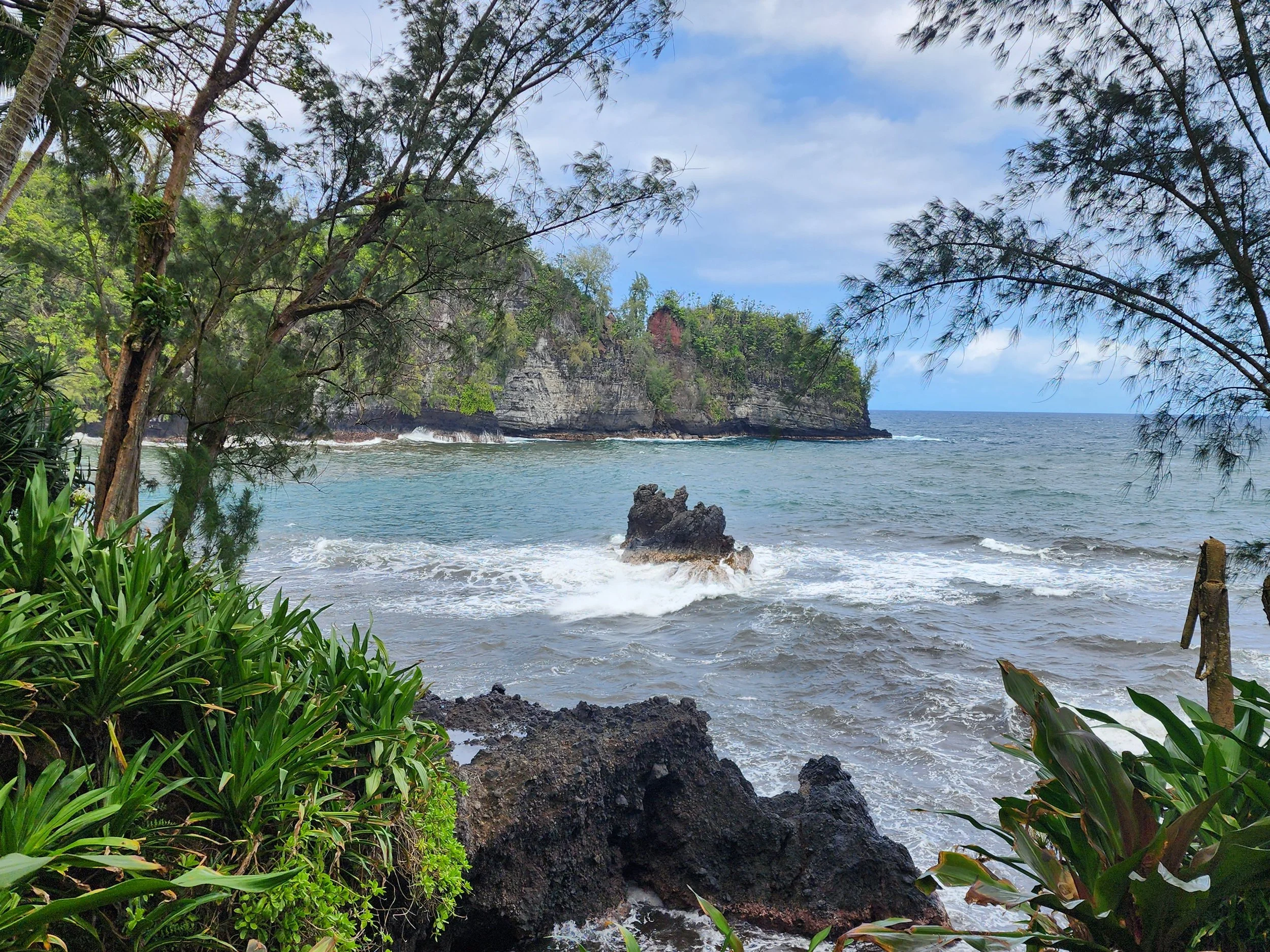
The Hawaiʻi Tropical Bioreserve & Garden is set within a natural valley that has been preserved and planted with more than 2,500 species of tropical plants. While not all of the plants are native to Hawaii, the garden is designed to immerse visitors in a tropical rainforest environment. To enter, you descend into the valley, where walking paths take you through different collections and natural features, including waterfalls. The gardens extend all the way down to the ocean near Onomea Bay. In addition to the plants, the garden and surrounding bay also contain several archaeological sites.
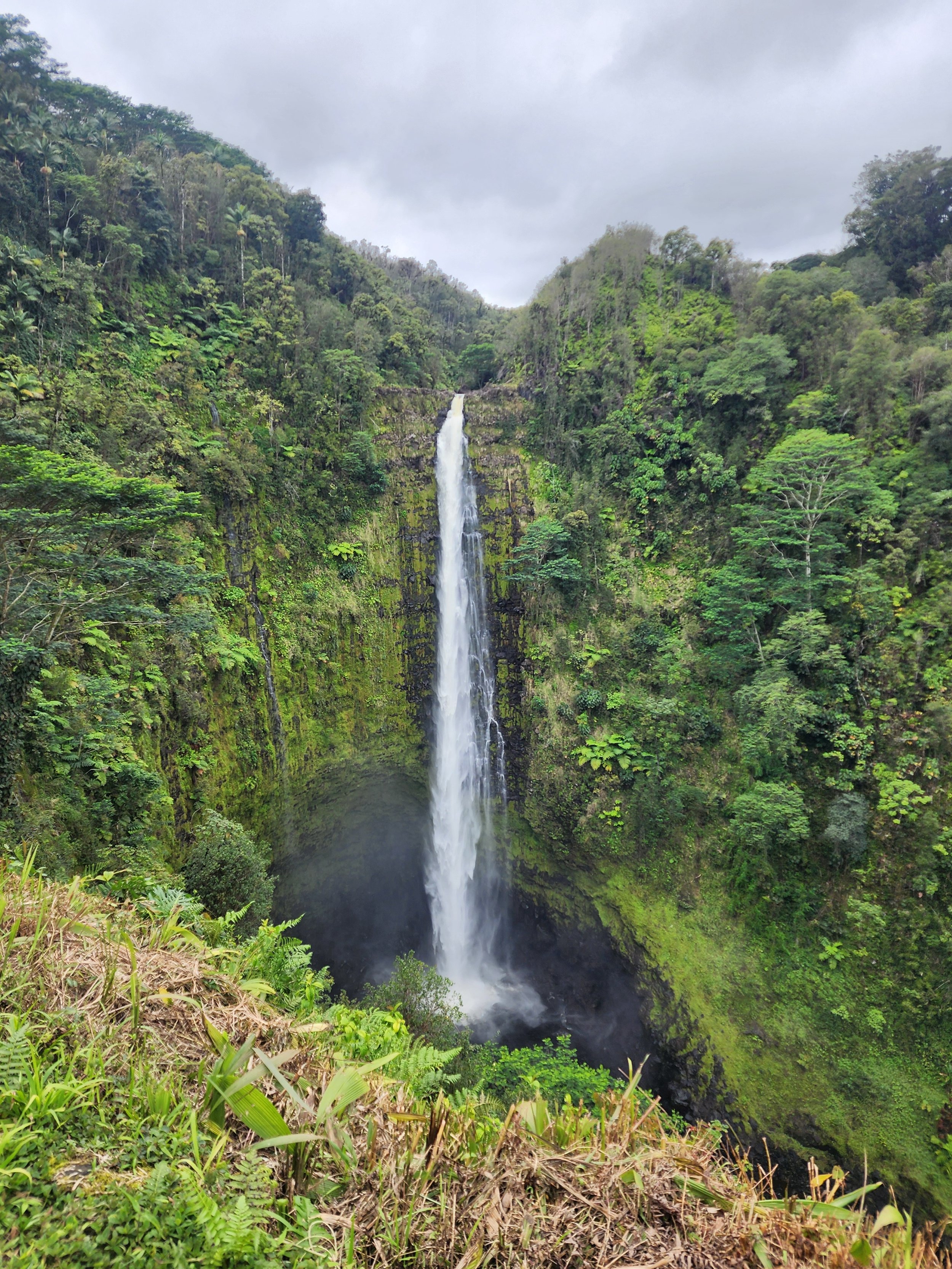
Next, we visited what may be the Big Island's most famous waterfall: ʻAkaka Falls. This 442-foot waterfall plunges into a gorge, and there is a short loop trail from the parking lot with viewpoints of the falls. Despite being a relatively short walk, the trail feels like it passes through several different environments due to the diversity of the surrounding vegetation.
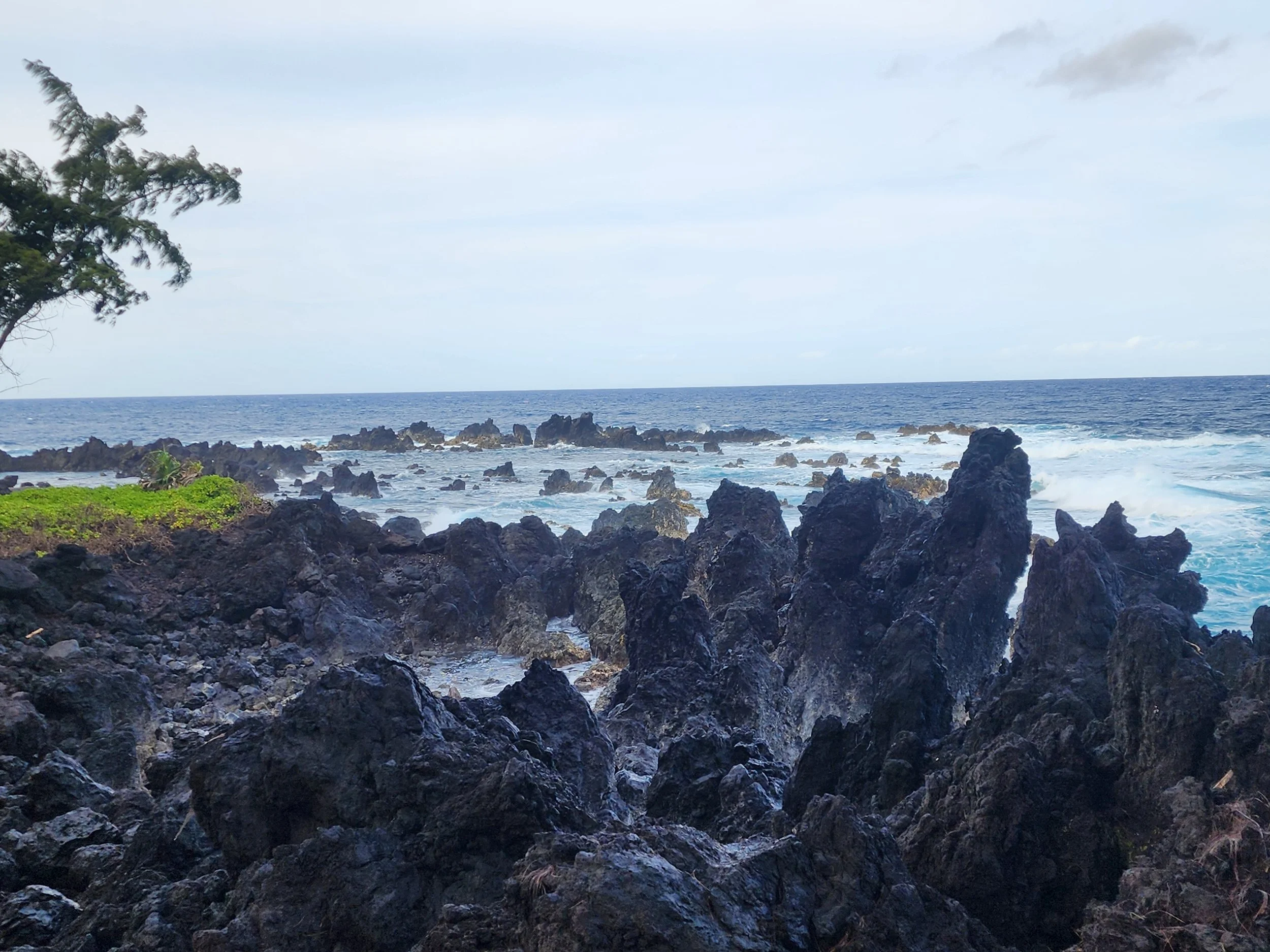
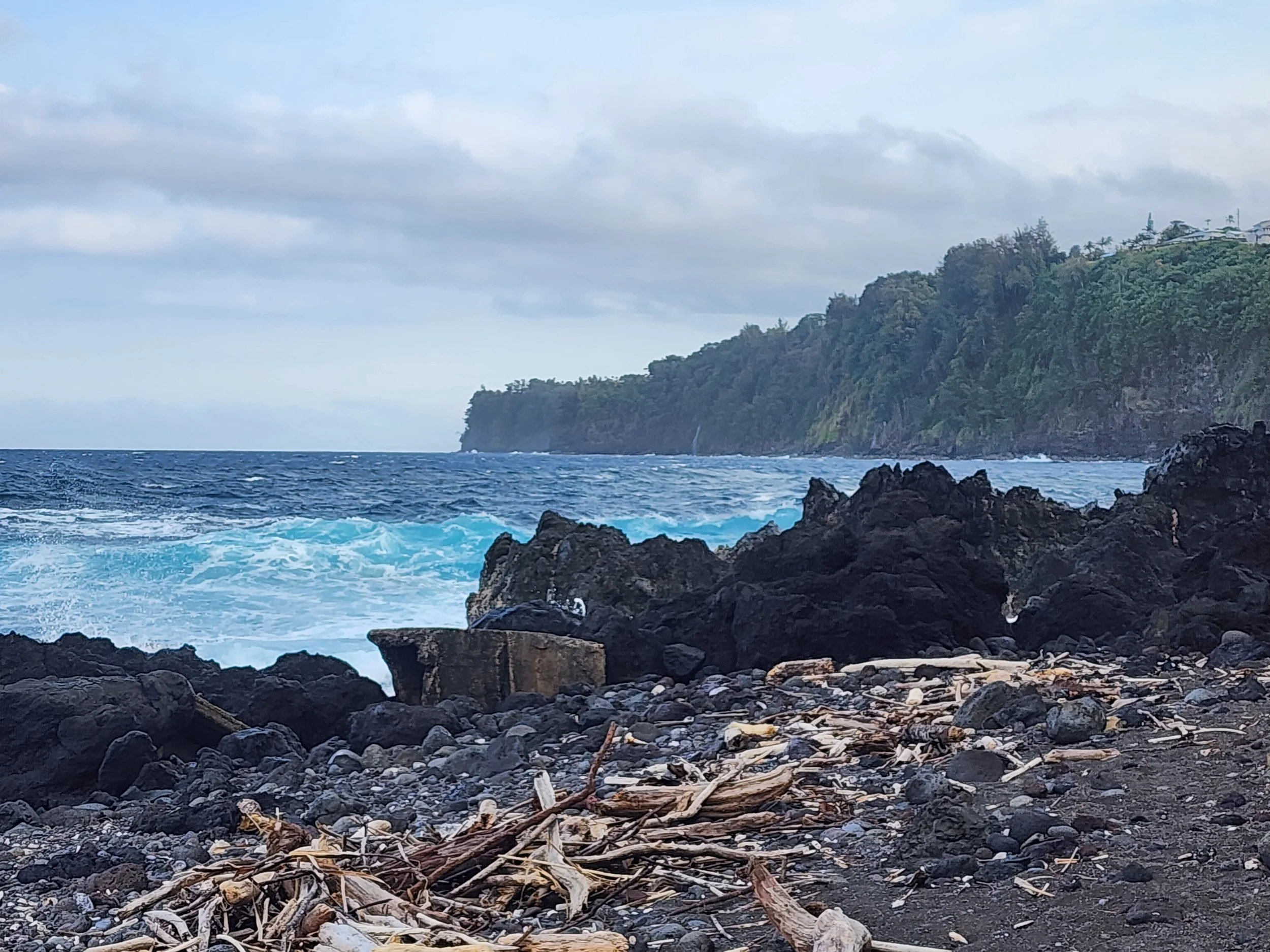
At this point, we began heading west toward the hotel and made our final stop of the day at Laupāhoehoe Point, a rocky lava peninsula jutting out into the ocean. It's a great viewpoint for seeing the combination of steep sea cliffs, volcanic rock, and powerful waves. This concluded our day, and we headed back to the hotel.
Day 4: Hawaii Volcanoes National Park & Punaluʻu Black Sand Beach
After seeing many of the Big Island's diverse landscapes and microclimates, we had one final major destination left to explore: Hawaiʻi Volcanoes National Park, located in the south-central portion of the island.
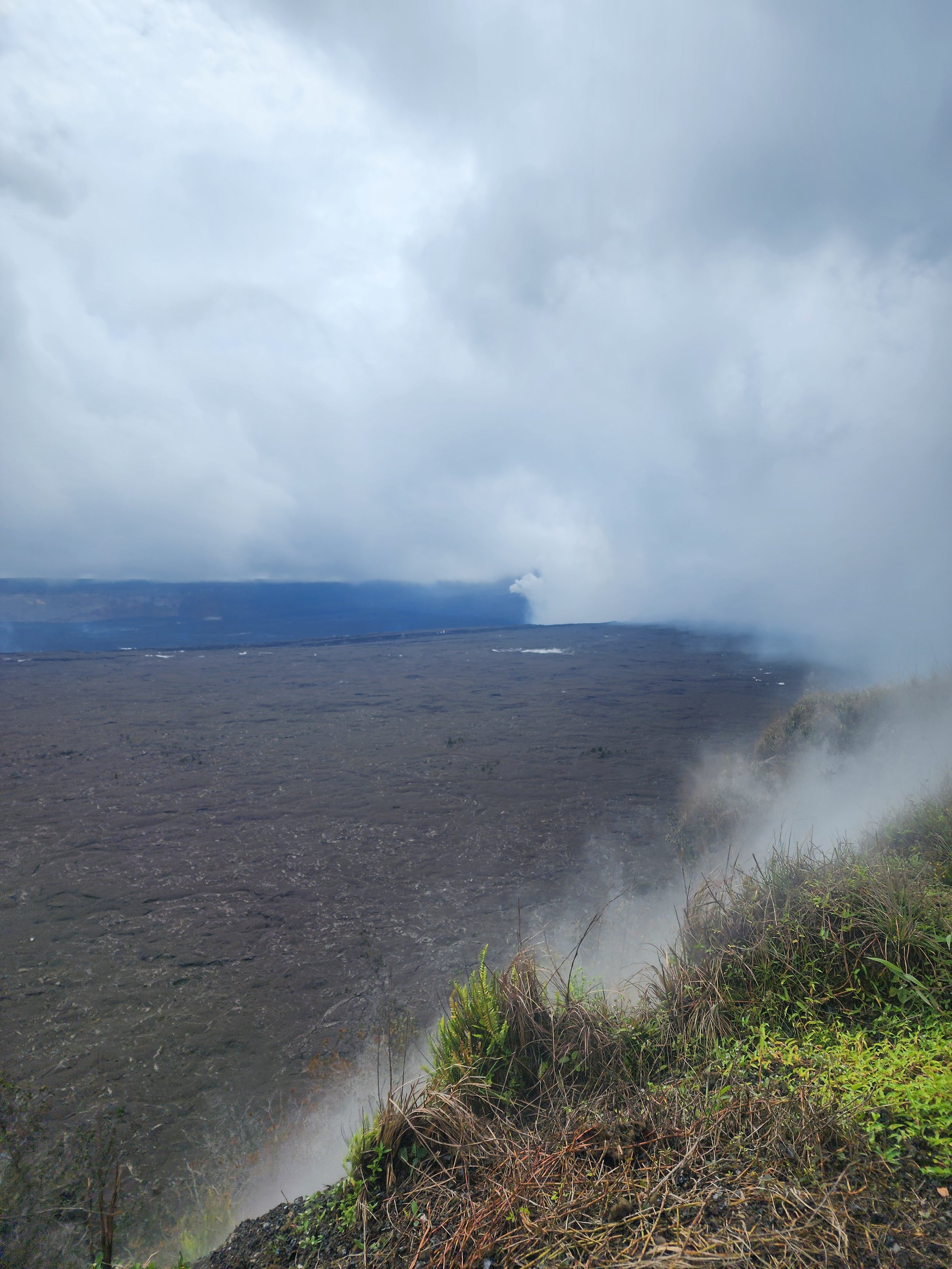
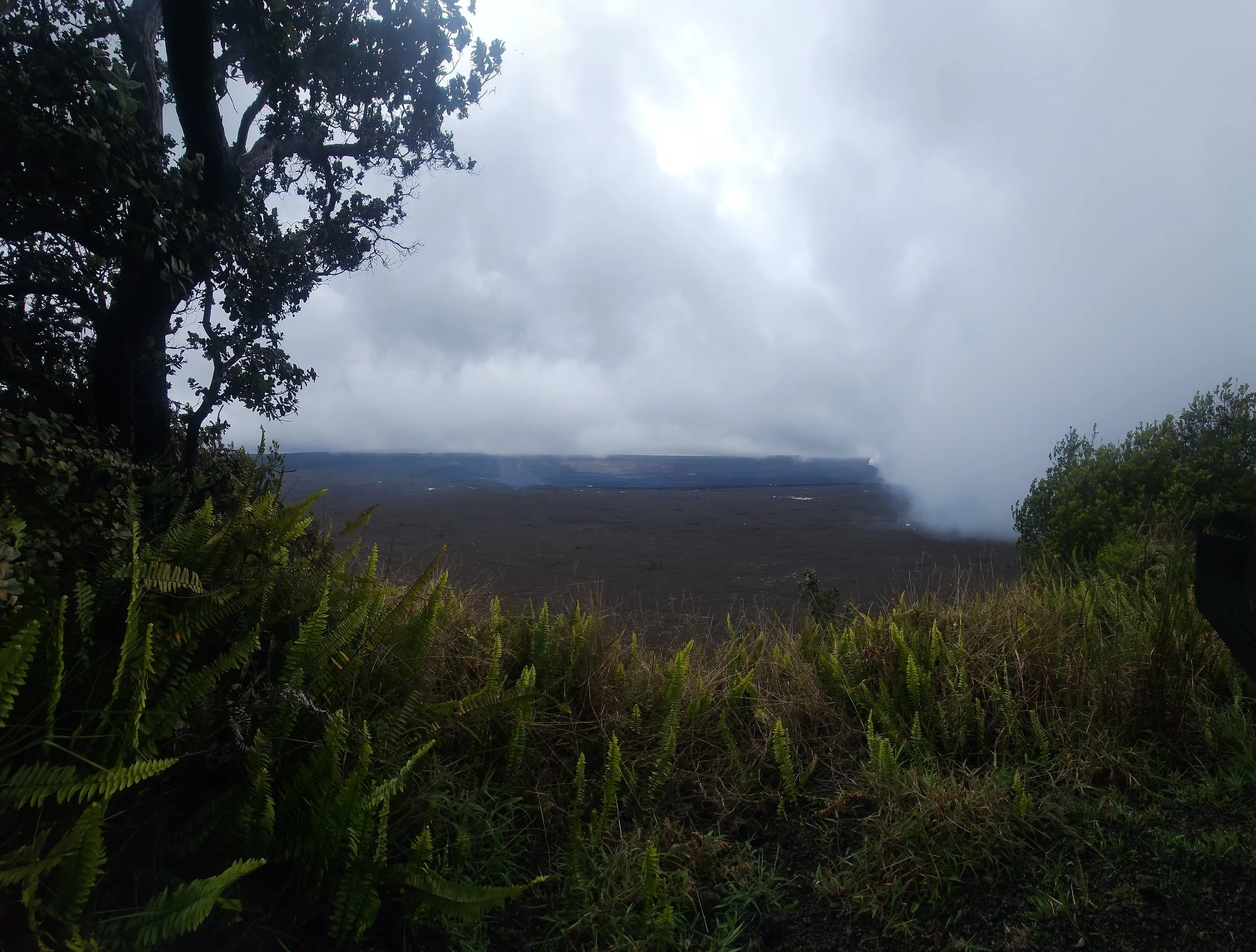
The day before our visit, Kīlauea, located within Halemaʻumaʻu Crater, erupted. While it was exciting to be visiting so close to an active eruption, the National Park Service was still dealing with the aftermath. As a result, many areas of the park were closed, and several roads were impassable. For example, we had to drive through Hilo to enter the park from the eastern side because the western entrance was closed (although it reopened before we left the park later that day).
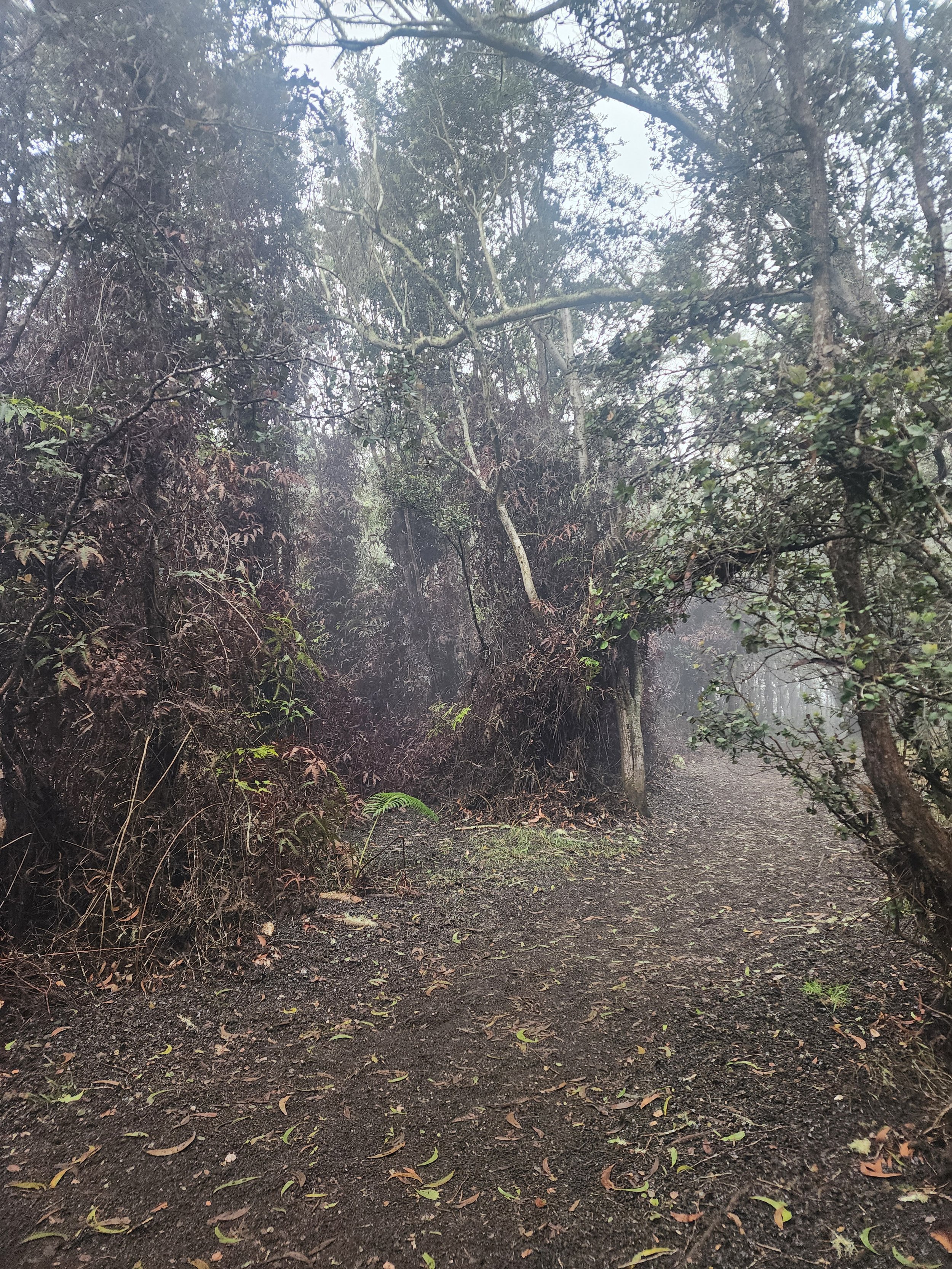
The main attraction is the Kīlauea Iki Overlook, which provides views of Kīlauea and the surrounding crater. There is an observation area about a three-minute walk from the parking lot, along with longer hiking trails that descend closer to the crater. We started along one of the trails; however, because of the recent eruption, there was a strong smell of sulfur that irritated both the eyes and lungs, so we unfortunately weren't able to continue very far. Between the lingering volcanic gases, rain, and remaining haze, visibility was also fairly poor during our visit.
After deciding to cut the hike short, we headed to Volcano House for lunch and a bit of shopping. Under normal conditions, when more of the park is open, I would also recommend visiting:
Nahuku (Thurston Lava Tube)
Chain of Craters Road
Hōlei Sea Arch
Kīlauea Visitor Center
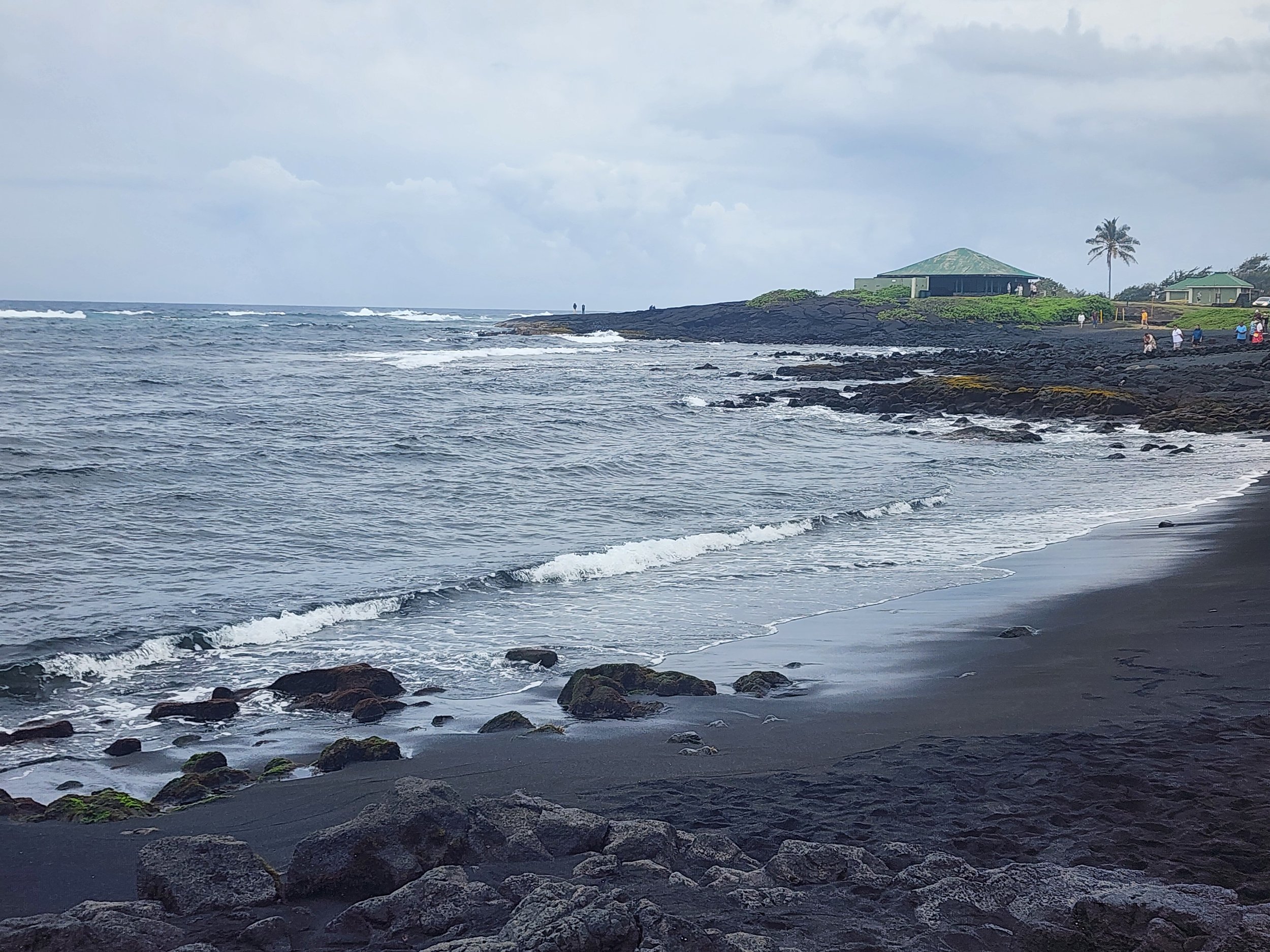
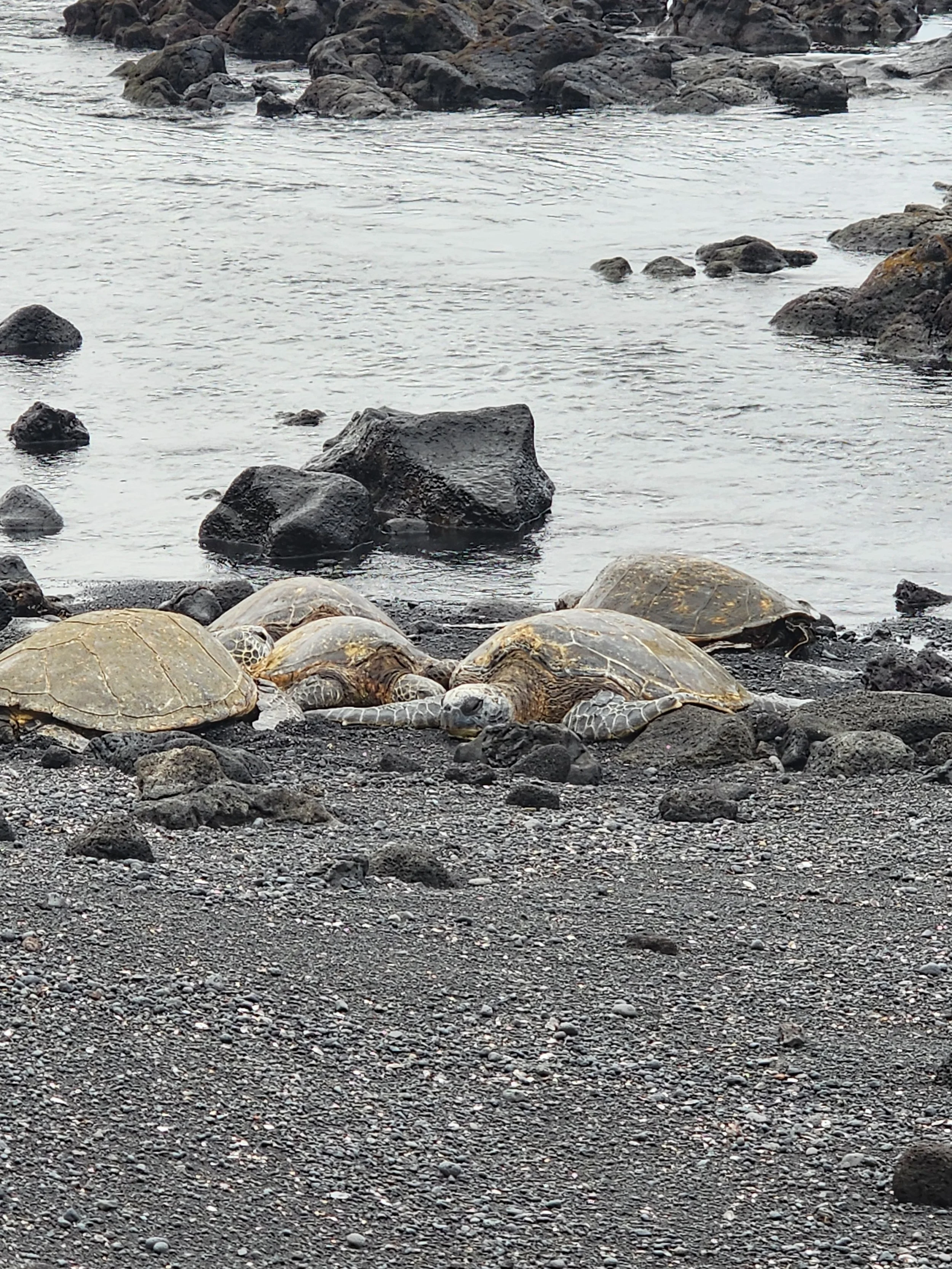
Fortunately, by the time we finished lunch, the road along the southern portion of the island had reopened, allowing us to take a shorter route back to the resort. Along the way, we stopped at Punaluʻu Black Sand Beach, one of Hawaii's most famous black sand beaches. It's also one of the best places on the island to see endangered Hawaiian green sea turtles resting on the shore. After spending some time at the beach, we drove back to the resort, concluding our final day on the Big Island.
—
The Big Island combined volcanic landscapes, diverse climates, and Native Hawaiian history into one of the most unique destinations we've visited. Whether exploring archaeological sites, hiking to black sand beaches, or watching the sun set above the clouds on Mauna Kea, no two days felt alike.