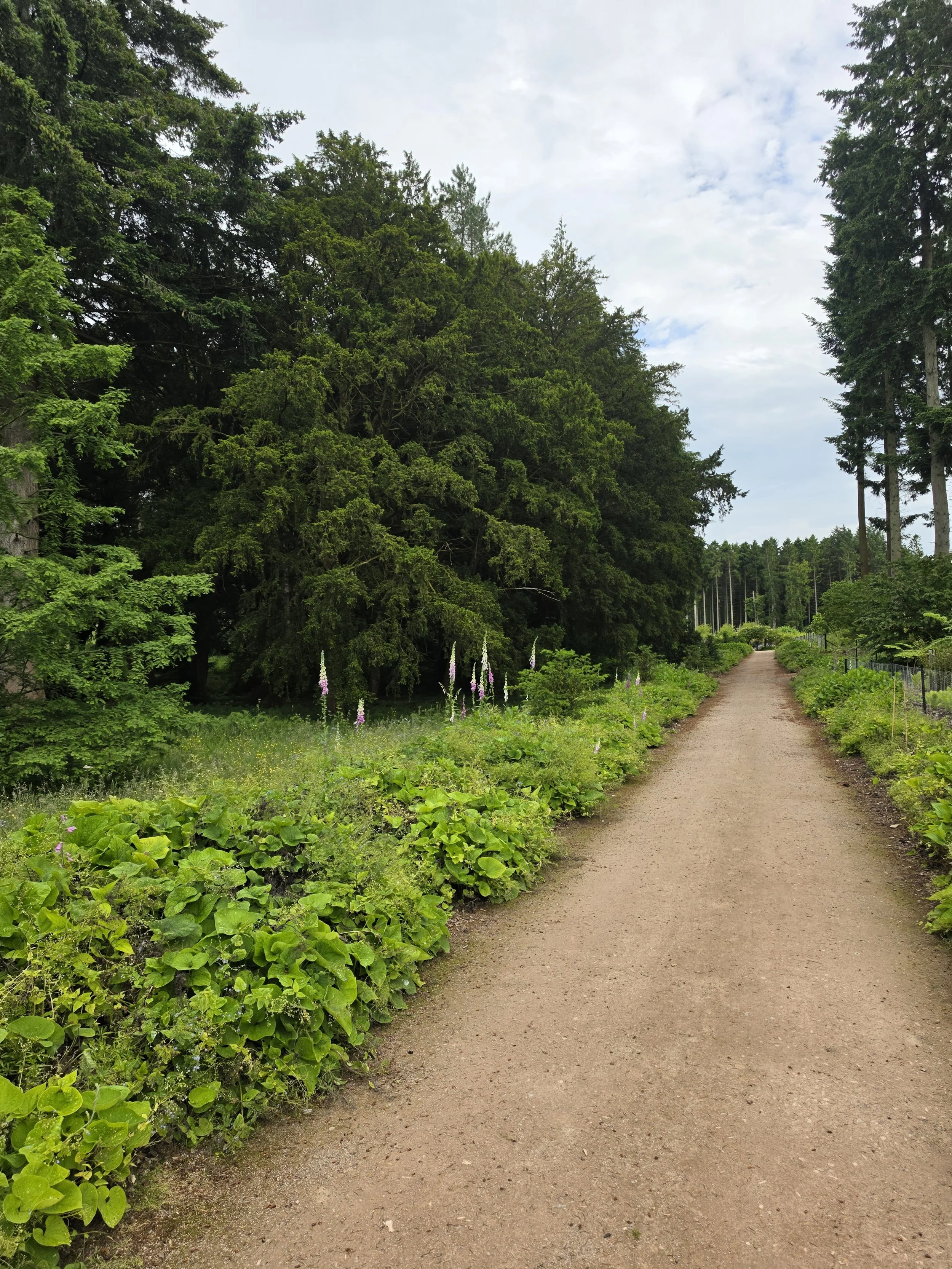
Lake District - UK
Duration: 3 full days
Locations Visited: Derwentwater, Windermere, Ullswater, and Grasmere, along with the surrounding areas
How to Get There: Take a train from London (or elsewhere in the UK). Alternatively, Manchester Airport (MAN) and Liverpool John Lennon Airport (LPL) are both about a 1.5-hour drive away.
How to Get Around: Rental car. There are some Ubers and taxis in the area, but they are not especially common. For a more adventurous trip, many people also explore the area by bike.
When to Go: Summer offers the best weather.
Pace: Moderate
Ideas for a Future Trip:
Explore the eastern side of Northern England near York and Newcastle.
Visit Liverpool and Manchester.
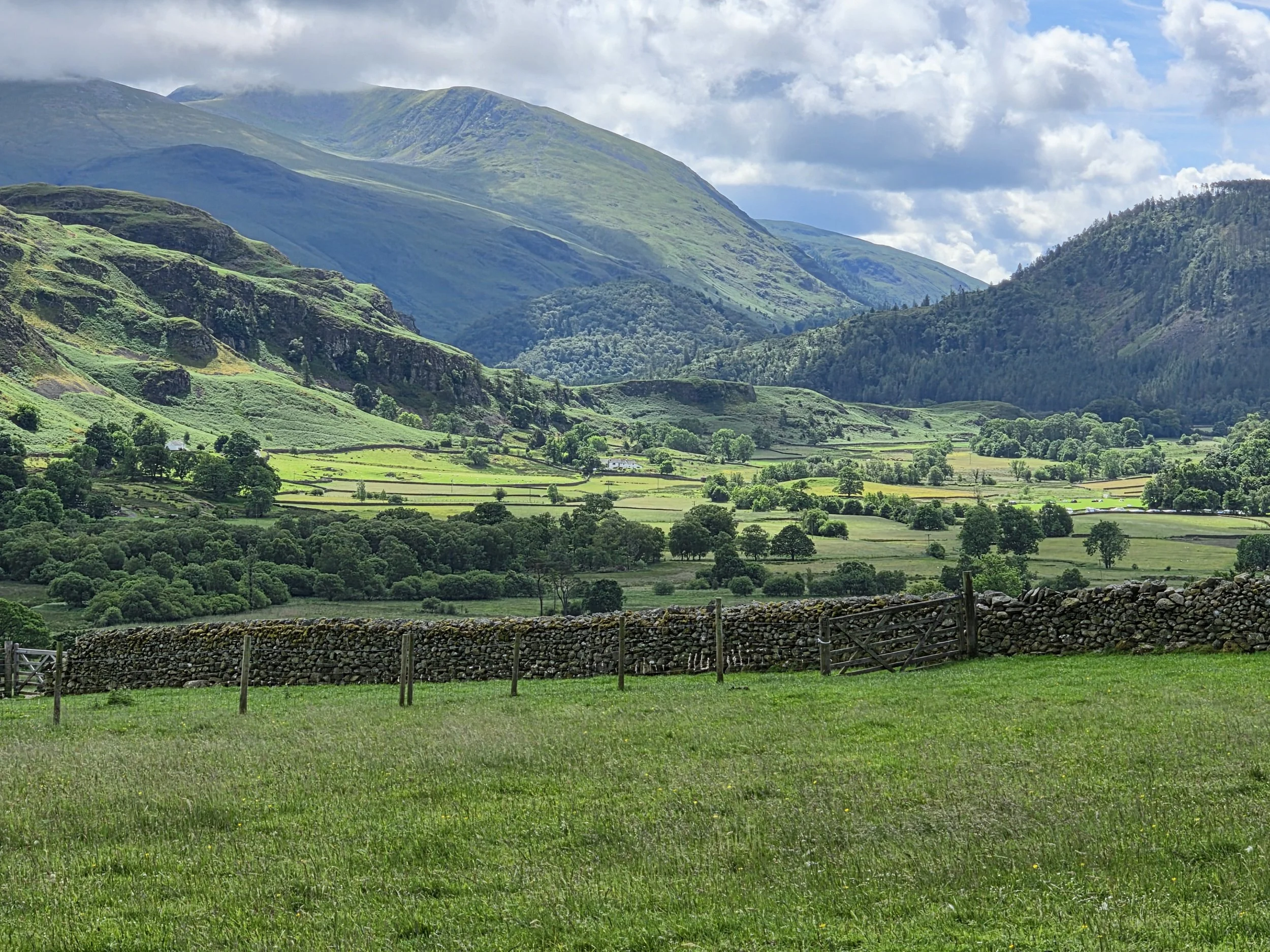
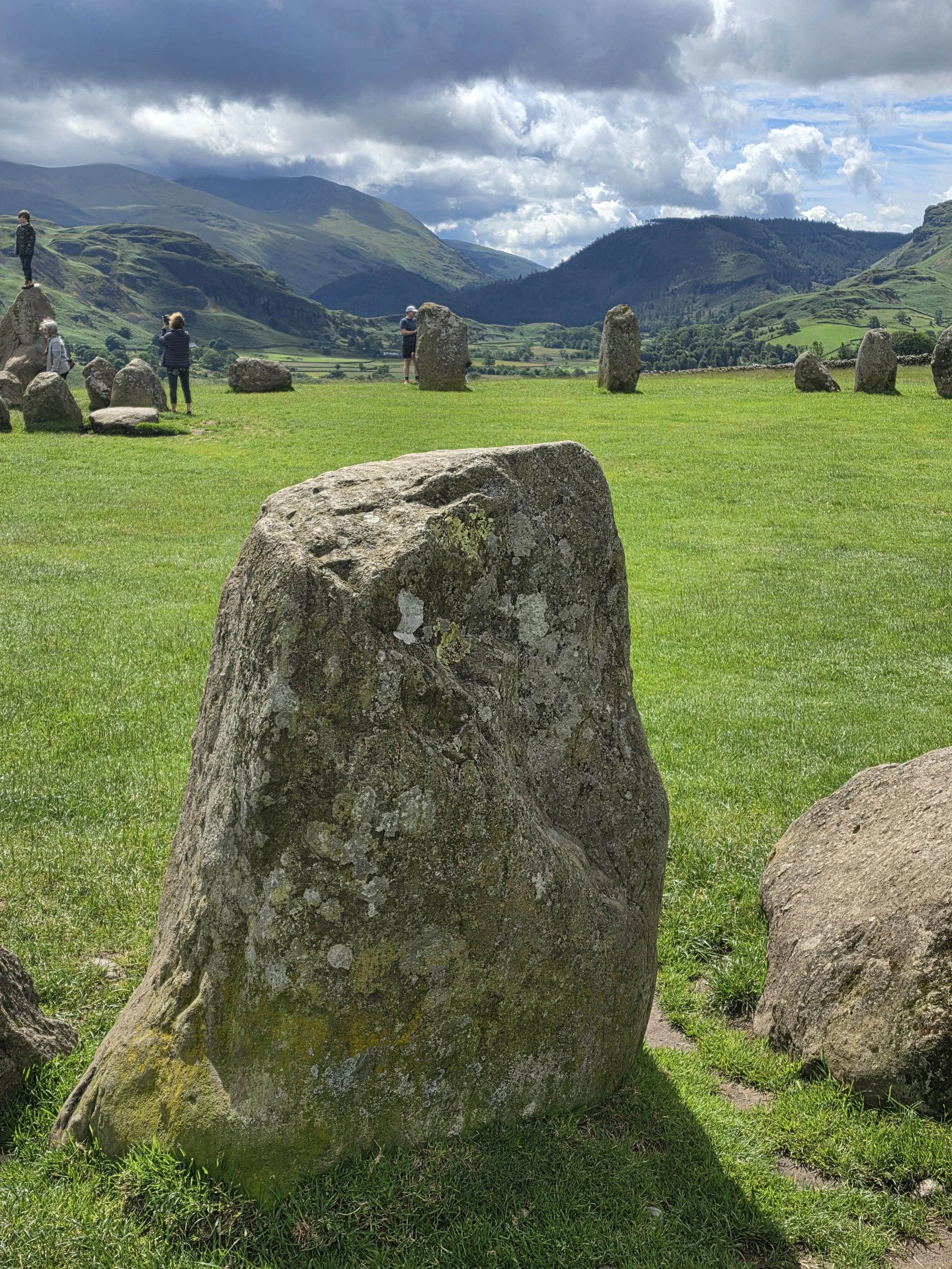
Lake District near Castlerigg Stone Circle
Day 1: Keswick, Derwentwater, Castlerigg Stone Circle, & Rydal Hall
The previous day, we had taken the train from London to Oxenholme, then grabbed a taxi to Kendal to pick up our rental car before driving to our hotel in Grasmere. We had planned to explore Grasmere Lake and the town, but due to the rain, we stayed at the hotel for the afternoon and evening. While Grasmere is not one of the major towns in the area, we were able to find a hotel with air conditioning there, which is rare in the Lake District but felt necessary, as the temperatures were in the high 70s and 80s (°F) while we were there.
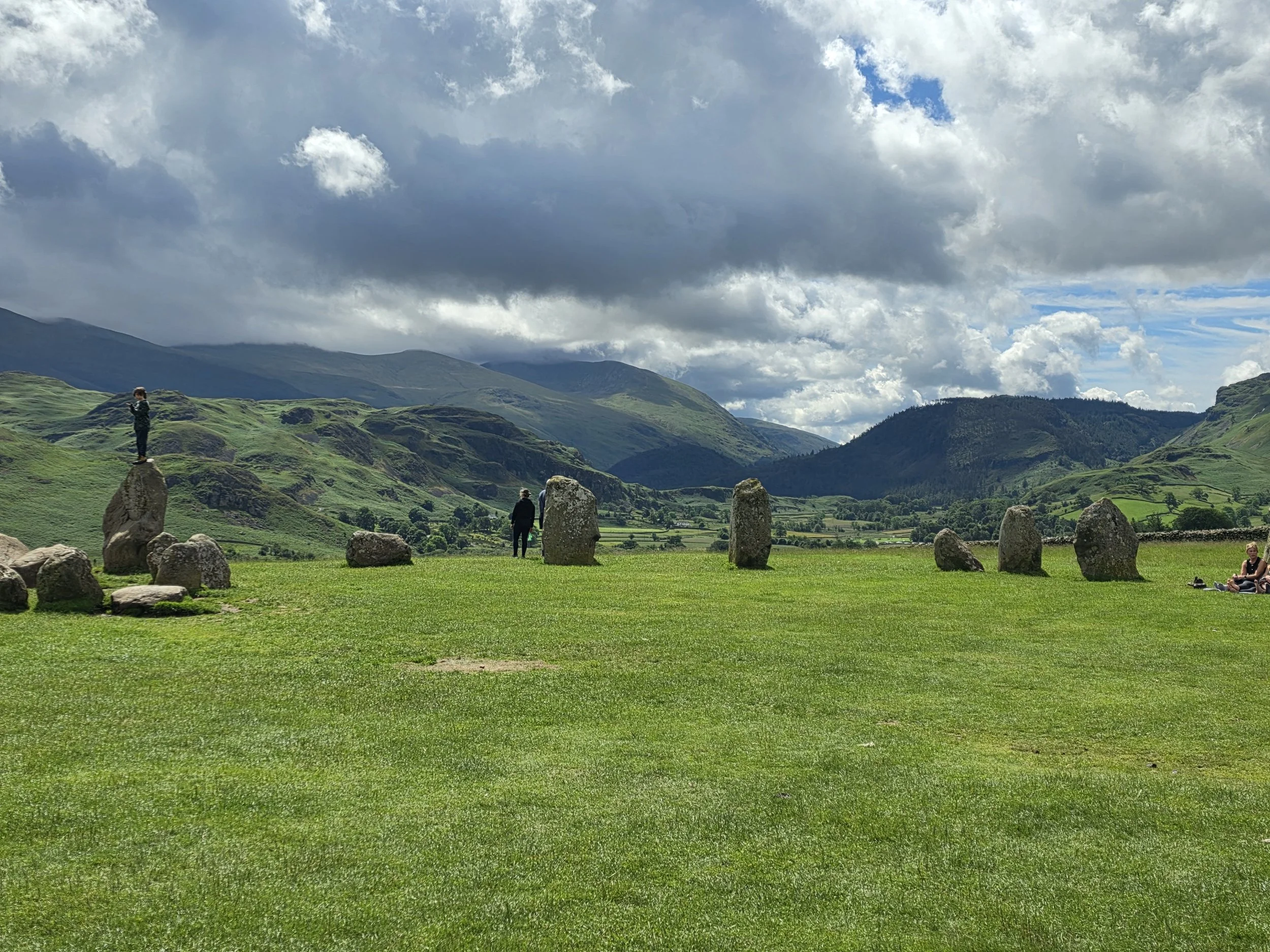
On our first full day, the weather had cleared, so we started by driving to Castlerigg Stone Circle, which is about a 25-minute drive from Grasmere. The stone circle dates to around 3000 BC, making it older than Stonehenge. However, unlike Stonehenge, it has not been reconstructed and is much less supervised and controlled—you can walk right up and touch the stones. The site also offers great panoramic views of the Cumbrian Mountains, which surround much of the Lake District.
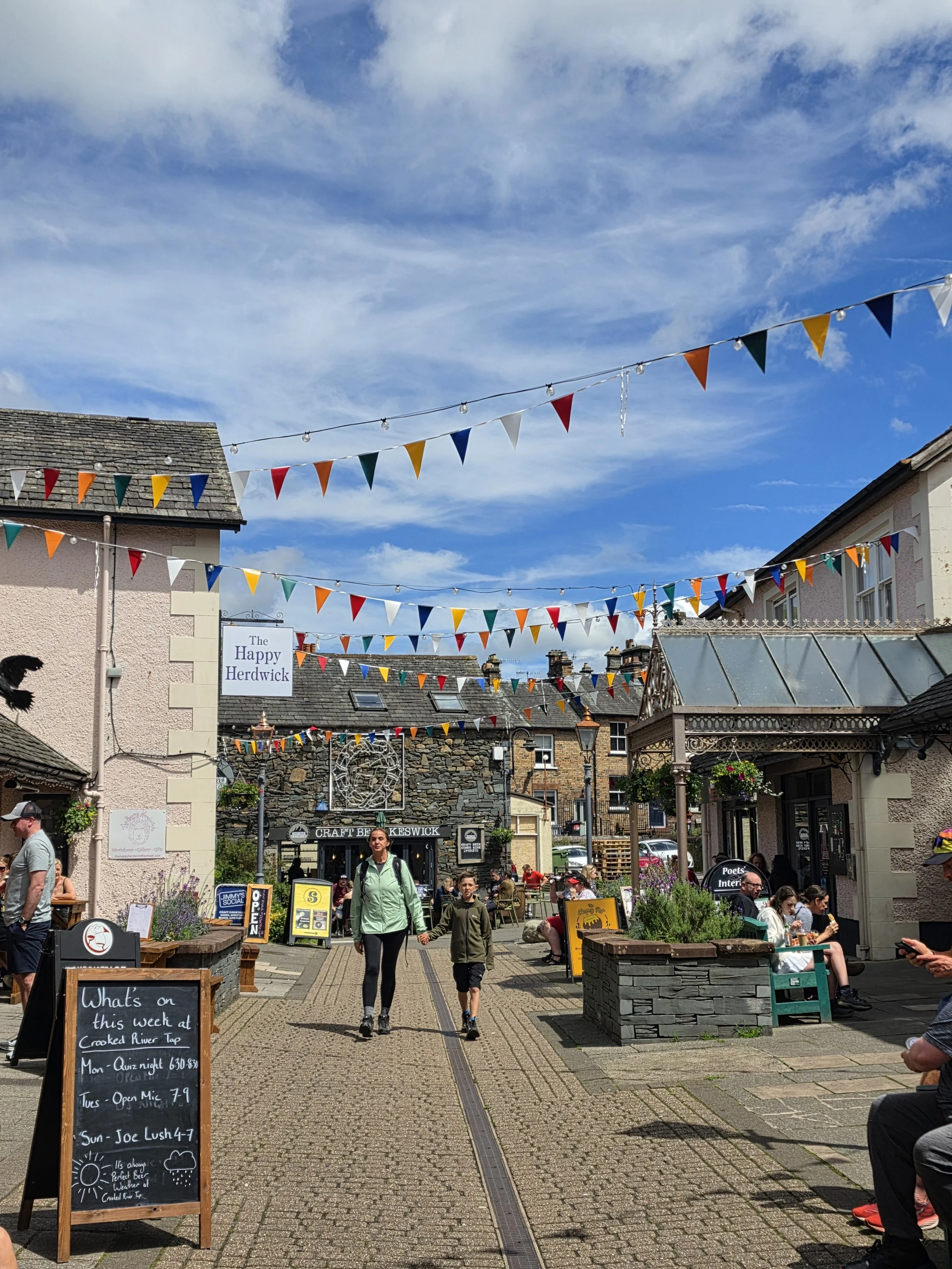
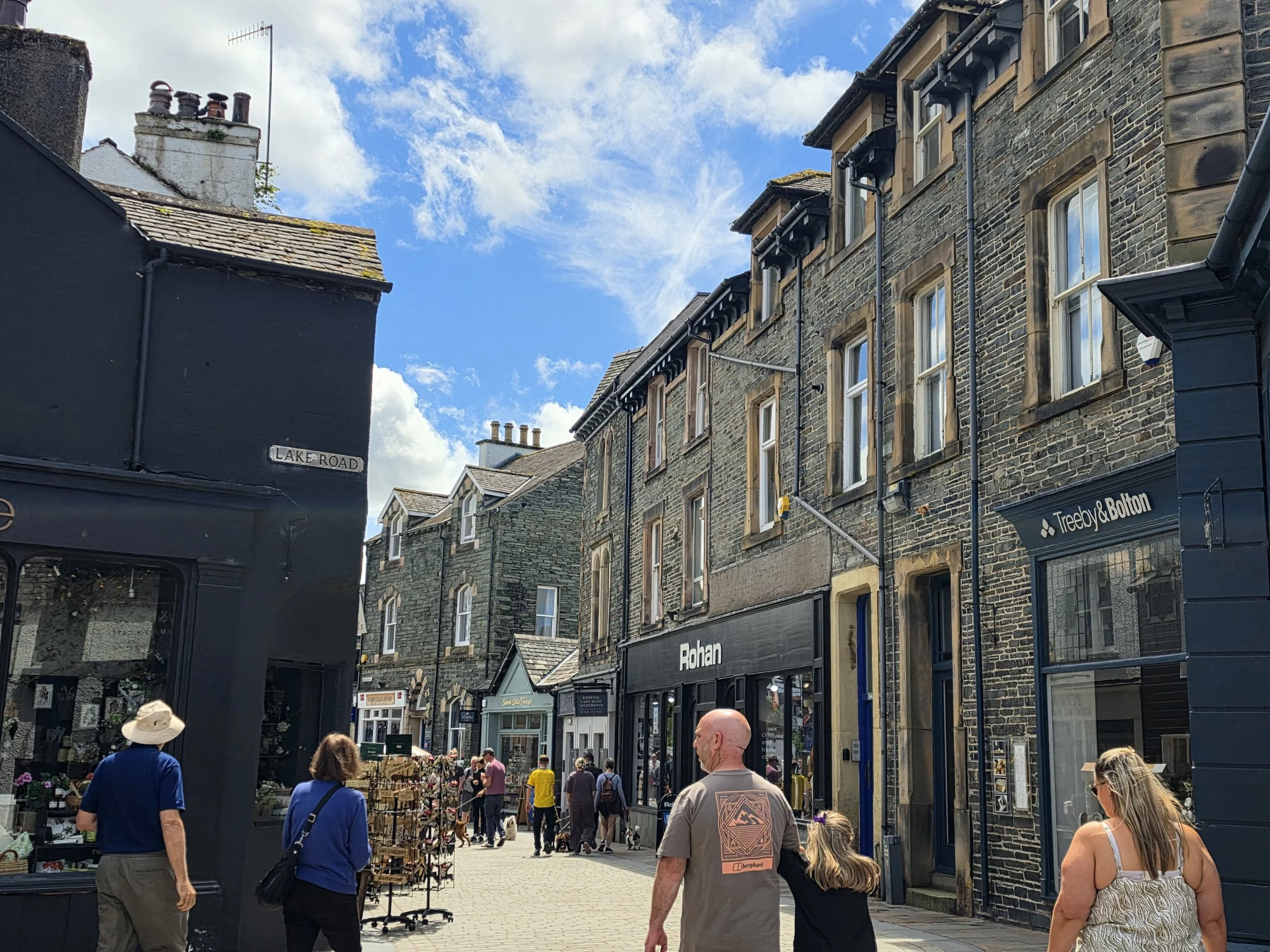
After Castlerigg, we took a short drive to Keswick, which is the main town in this part of the Lake District. Parking can be a bit challenging, especially during the high season. The town has a very classic English village/Lake District feel, with its many boutique shops and restaurants. On the day we visited, there was also an outdoor market. It's a great place to grab lunch or a coffee.
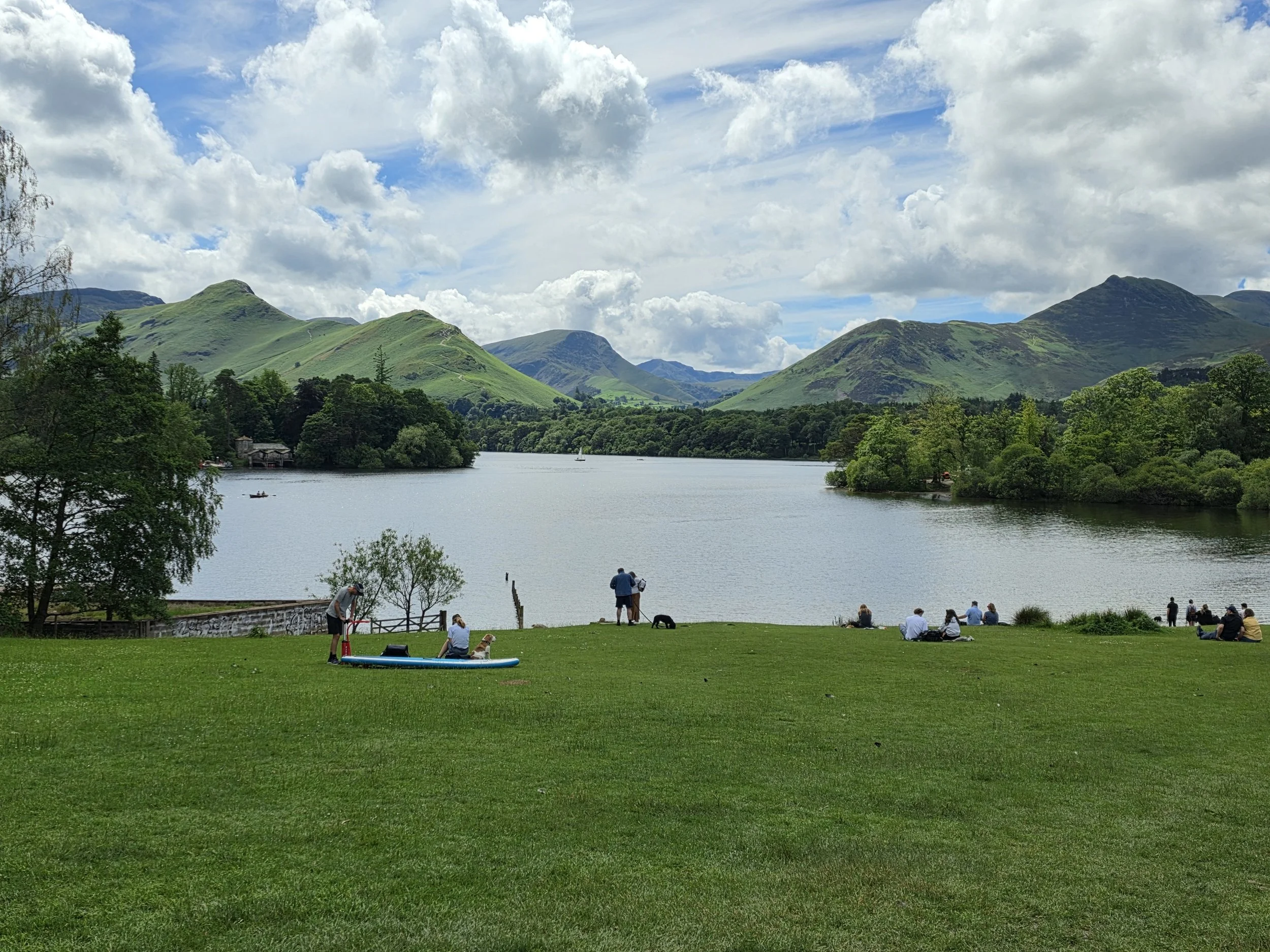
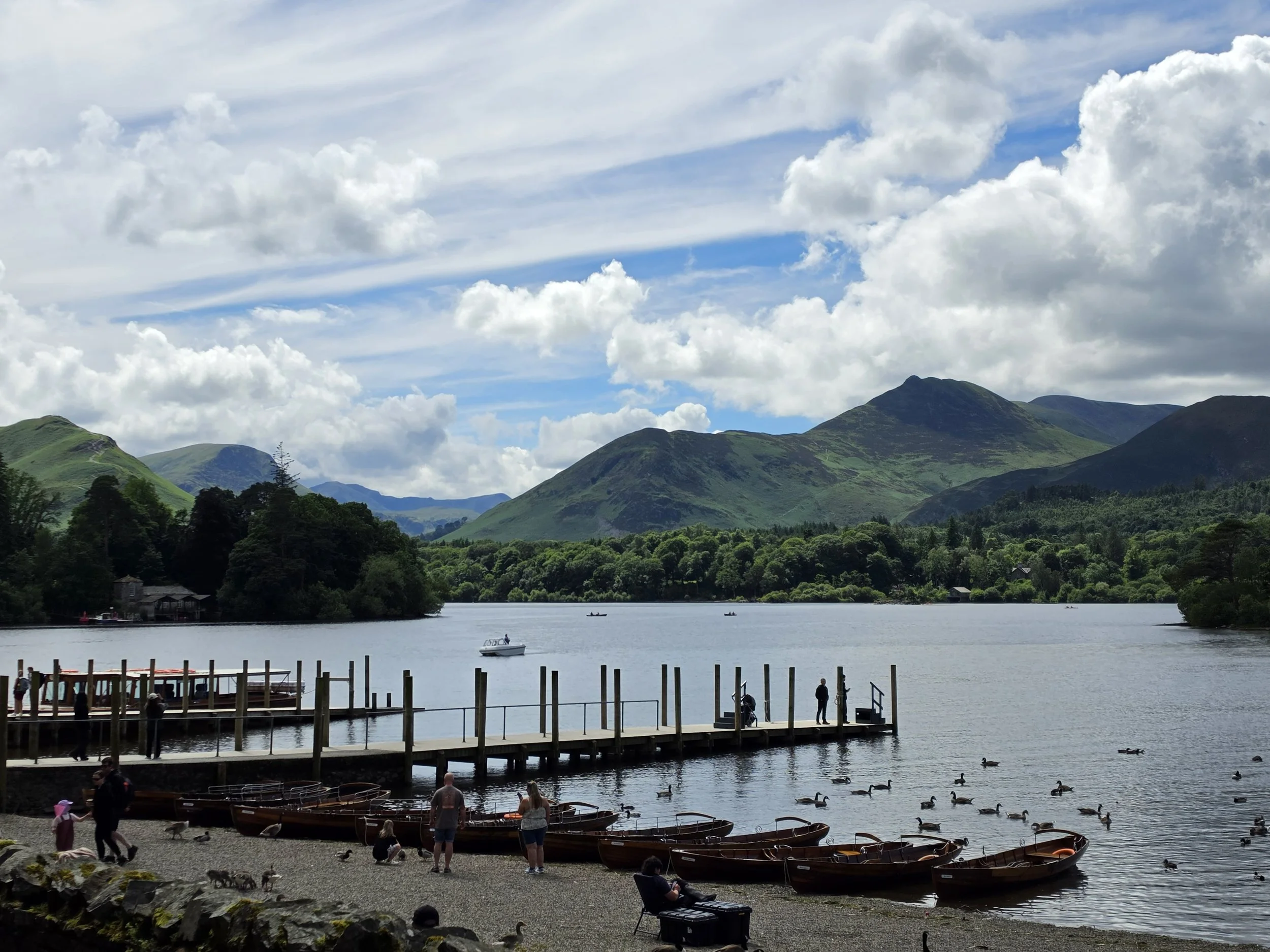
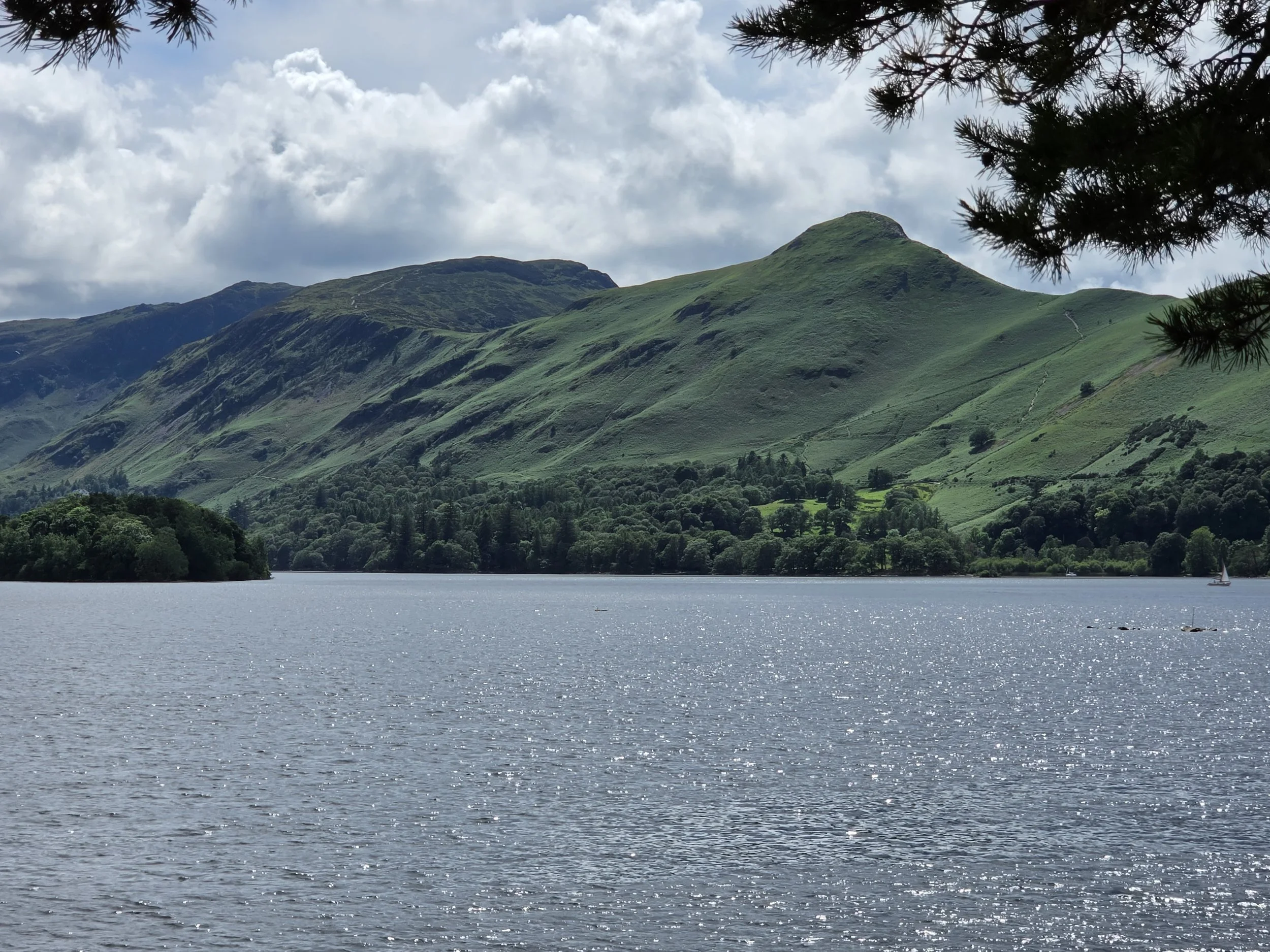
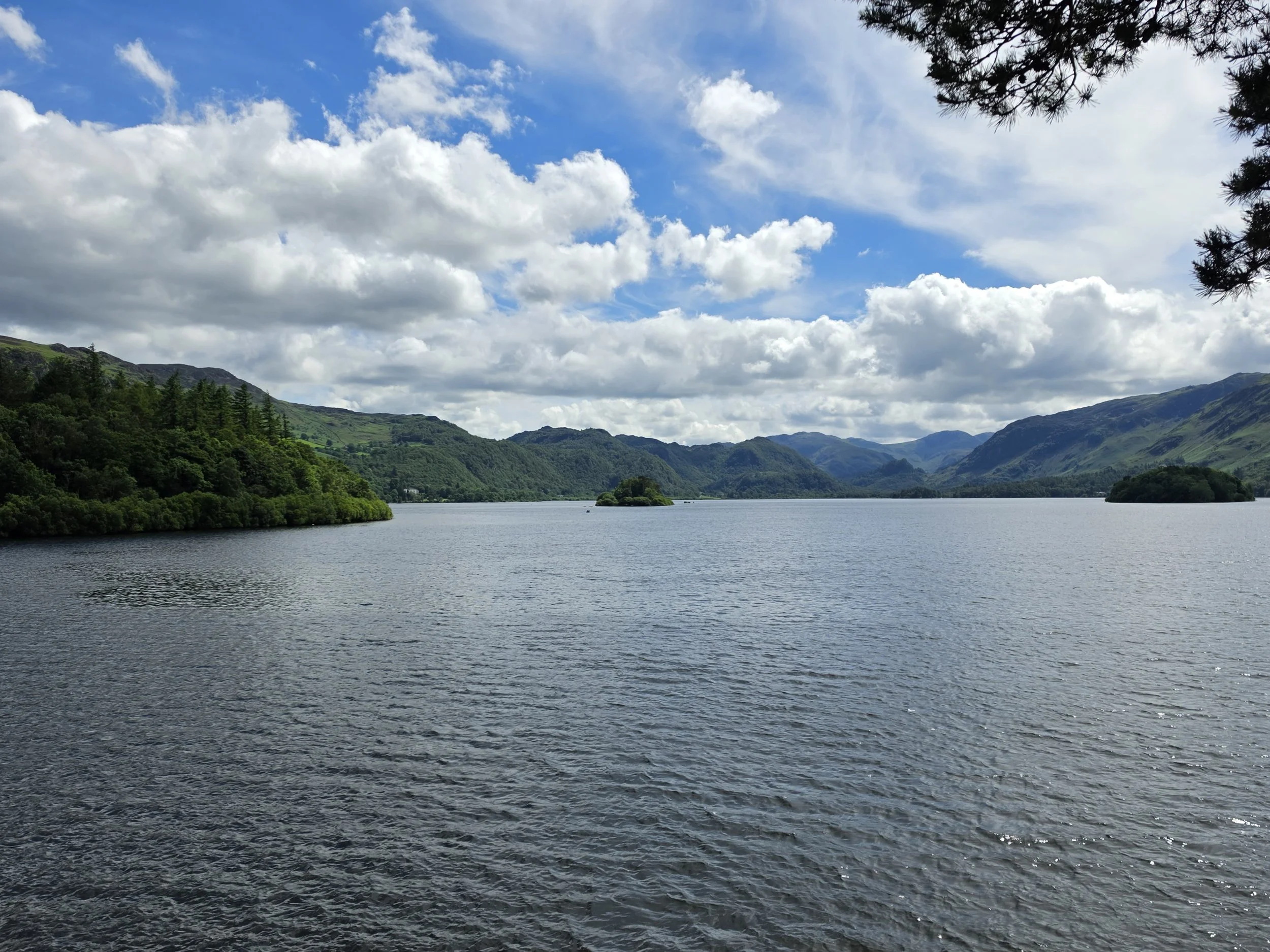
Next to Keswick lies Derwentwater, which you can access by walking toward Crow Park. Along the lake are walking trails, small beaches, and opportunities for water sports, as well as restaurants and ice cream shops. It's a great place to take a stroll or simply relax and enjoy the scenery. Crow Park is also a great location for taking in views of both the lake and the surrounding mountains.
About half a mile from the main area lies Friars' Crag, a small peninsula extending into Derwentwater that offers excellent views for photos and is often considered one of the most beautiful viewpoints in the Lake District. The entire area greatly reminded me of the lakeside landscapes used for scenes around Hogwarts in the Harry Potter films.
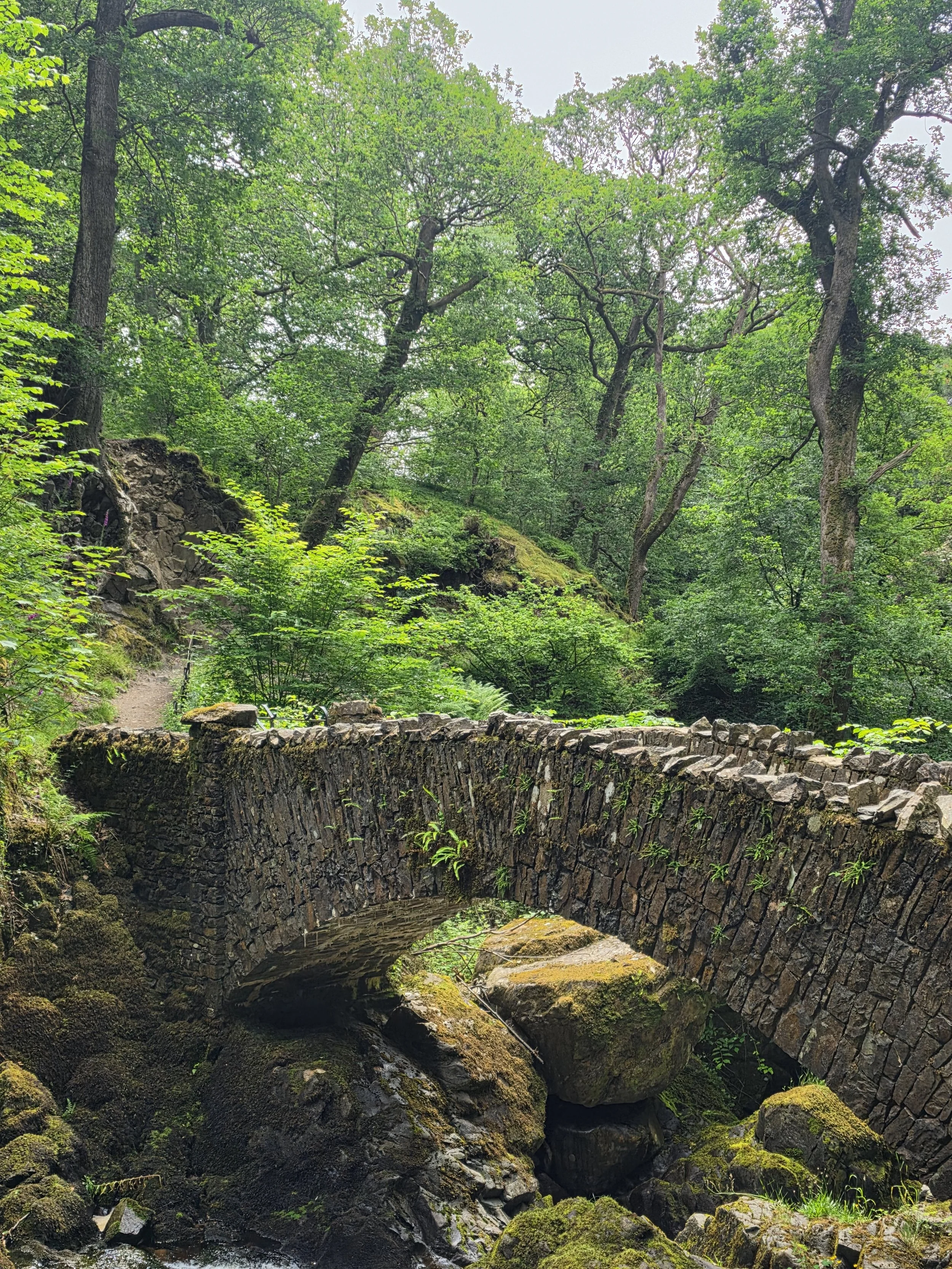
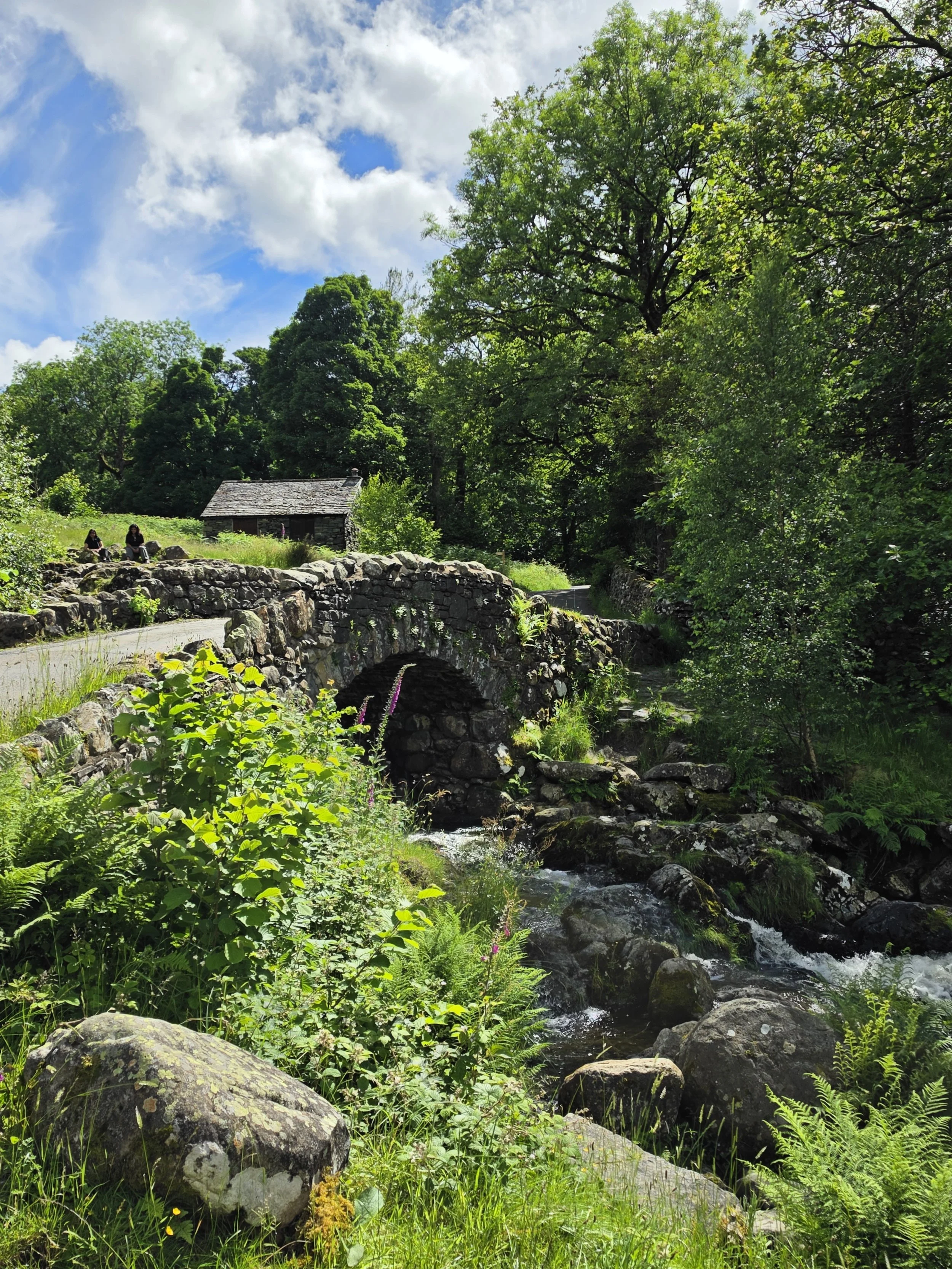
After Keswick, we headed to Ashness Bridge, one of the most picturesque and photographed bridges in the area. However, I don't believe you could comfortably drive across it unless you had a very narrow car. We had to make something akin to a very awkward three-point turn to head back, as the road is essentially only wide enough for one vehicle. As a result, I would suggest parking elsewhere and walking, even though it's fairly uphill. Farther along the road is Surprise View, which provides an elevated panoramic view over Derwentwater. Given the situation with the car, we weren't able to make it there.
We next headed to Lodore Falls, a series of cascades flowing over volcanic rocks. The falls are reached via a short hike (about 15 minutes); however, it's difficult to find parking. We ended up grabbing food and a drink at the nearby Lodore Falls Hotel so we could leave our car in the parking lot while we visited the falls.
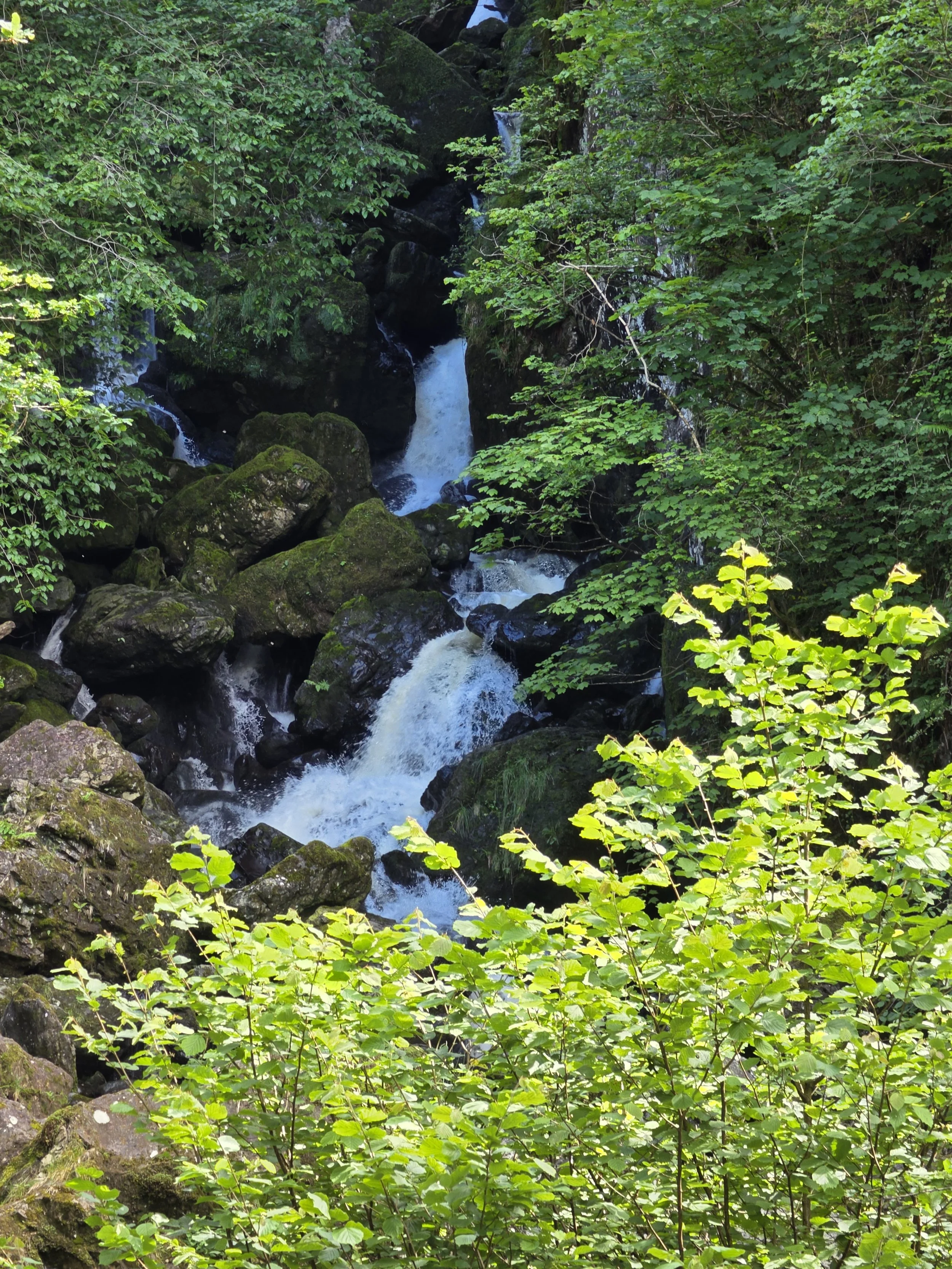
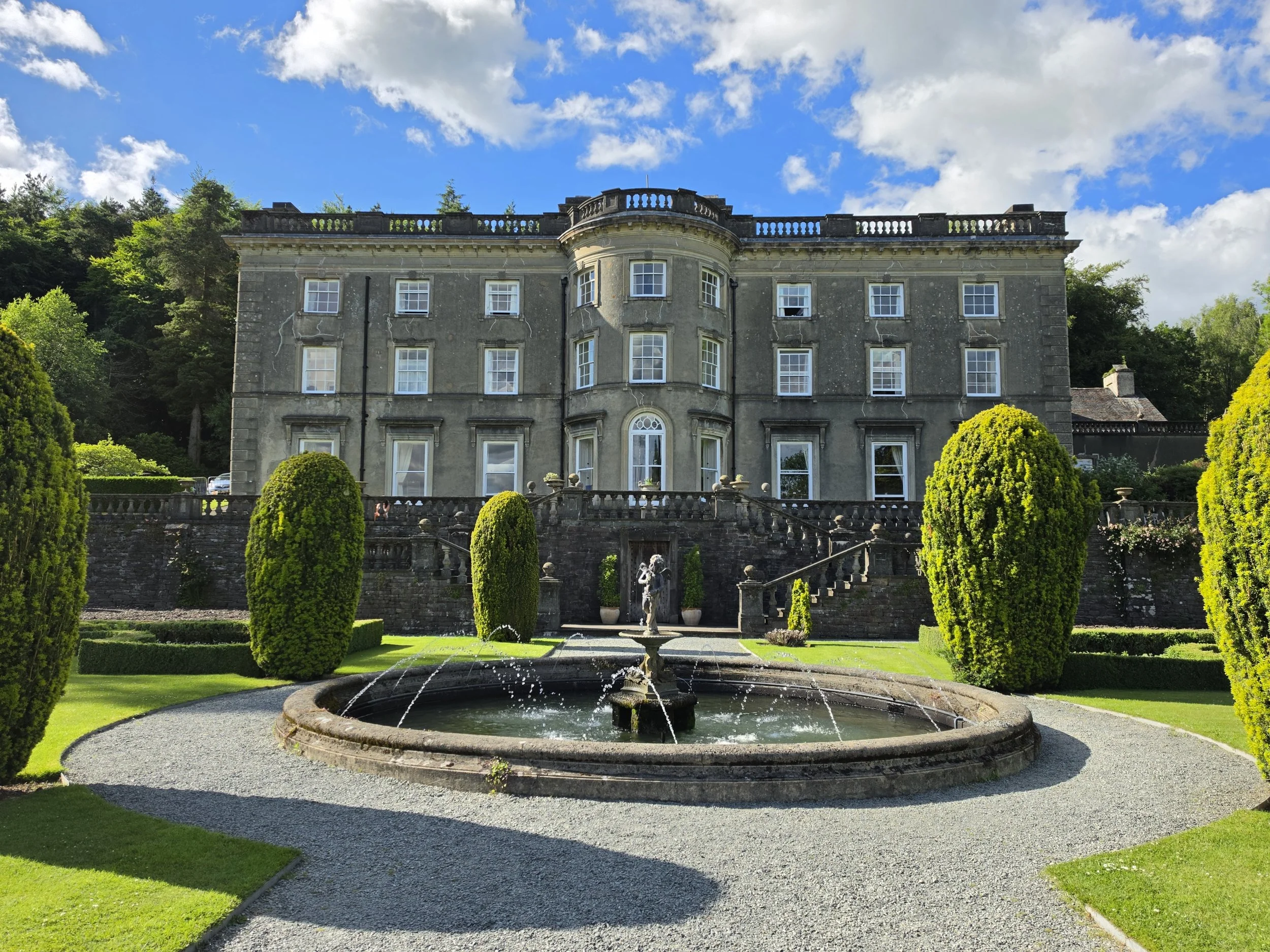
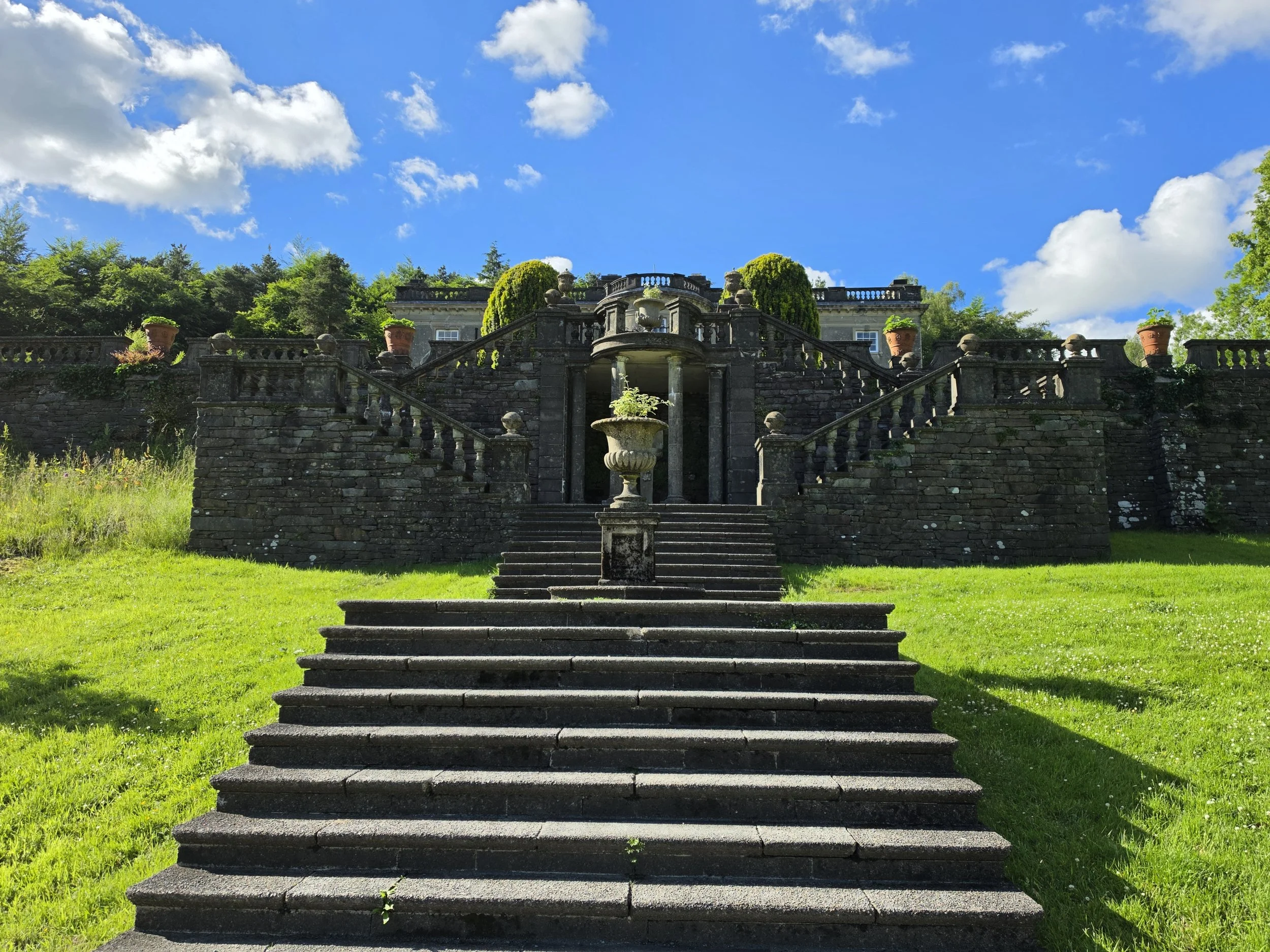
Finally, we drove a bit south of our hotel in Grasmere to visit Rydal Hall, which has served as a family home since the 1500s (although it is now a retreat and conference center). While the house itself is not open to visitors, you are free to explore the gardens and walking paths, which range from formal landscaped gardens to more natural woodland trails. One of the highlights of the grounds is "The Grot," a small stone viewing house overlooking a waterfall that was built in the seventeenth century.
This wrapped up our first day, and we headed to Ambleside for dinner before returning to the hotel to prepare for the next day.
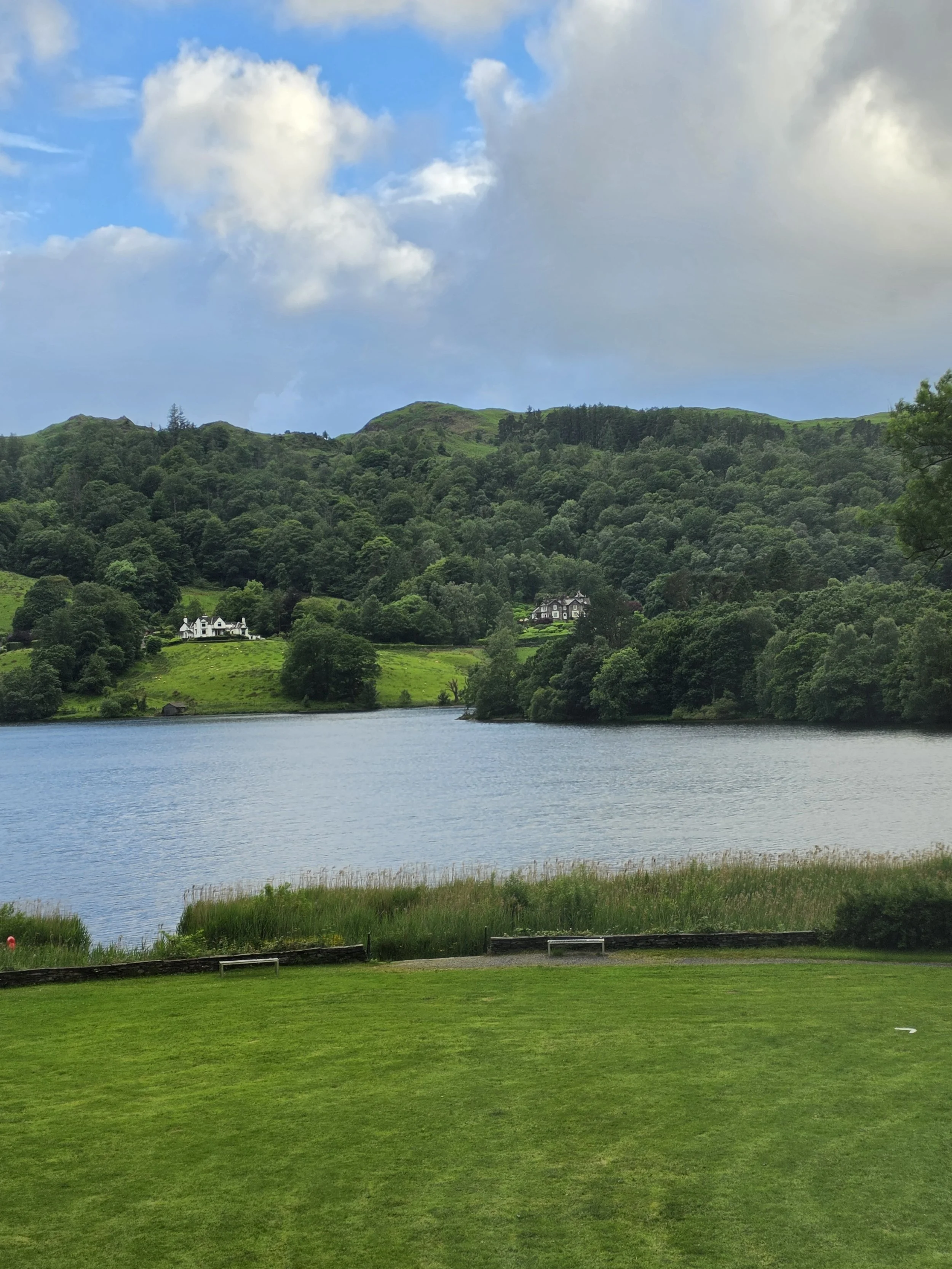
Day 2: Tarn Hows, Hawkshead, Wray Castle, Orrest Head, Windermere, & Rydal Cave
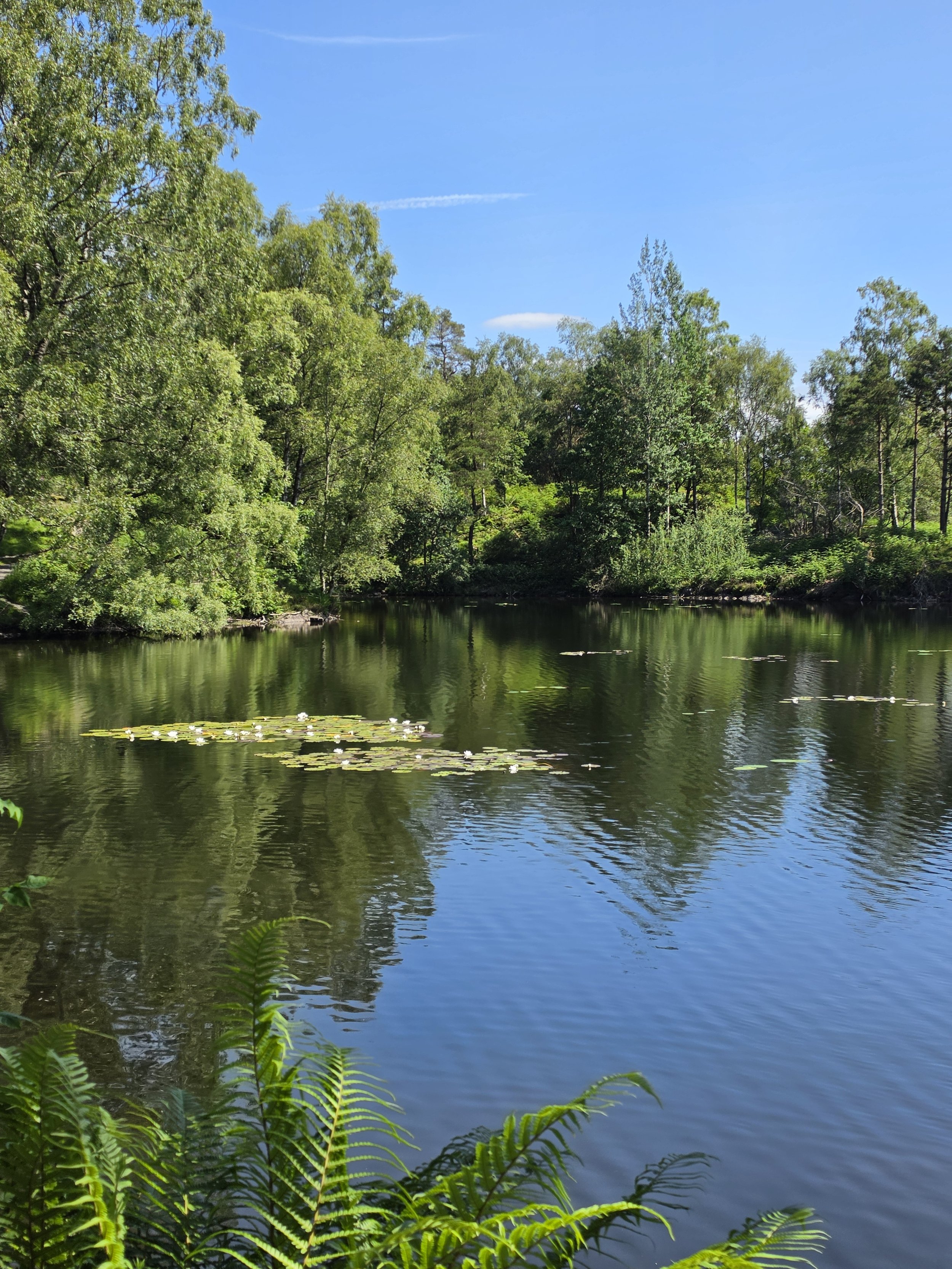
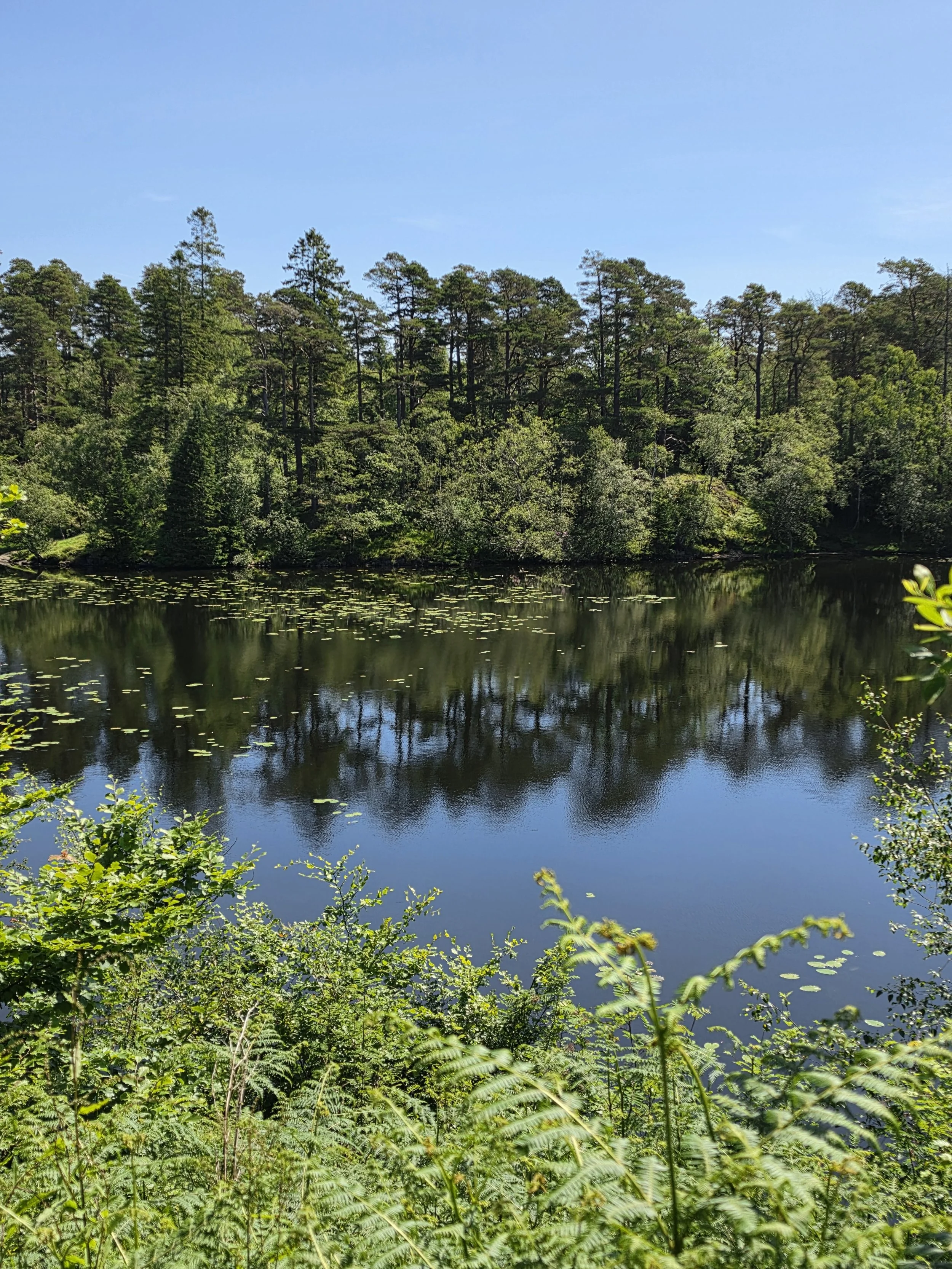
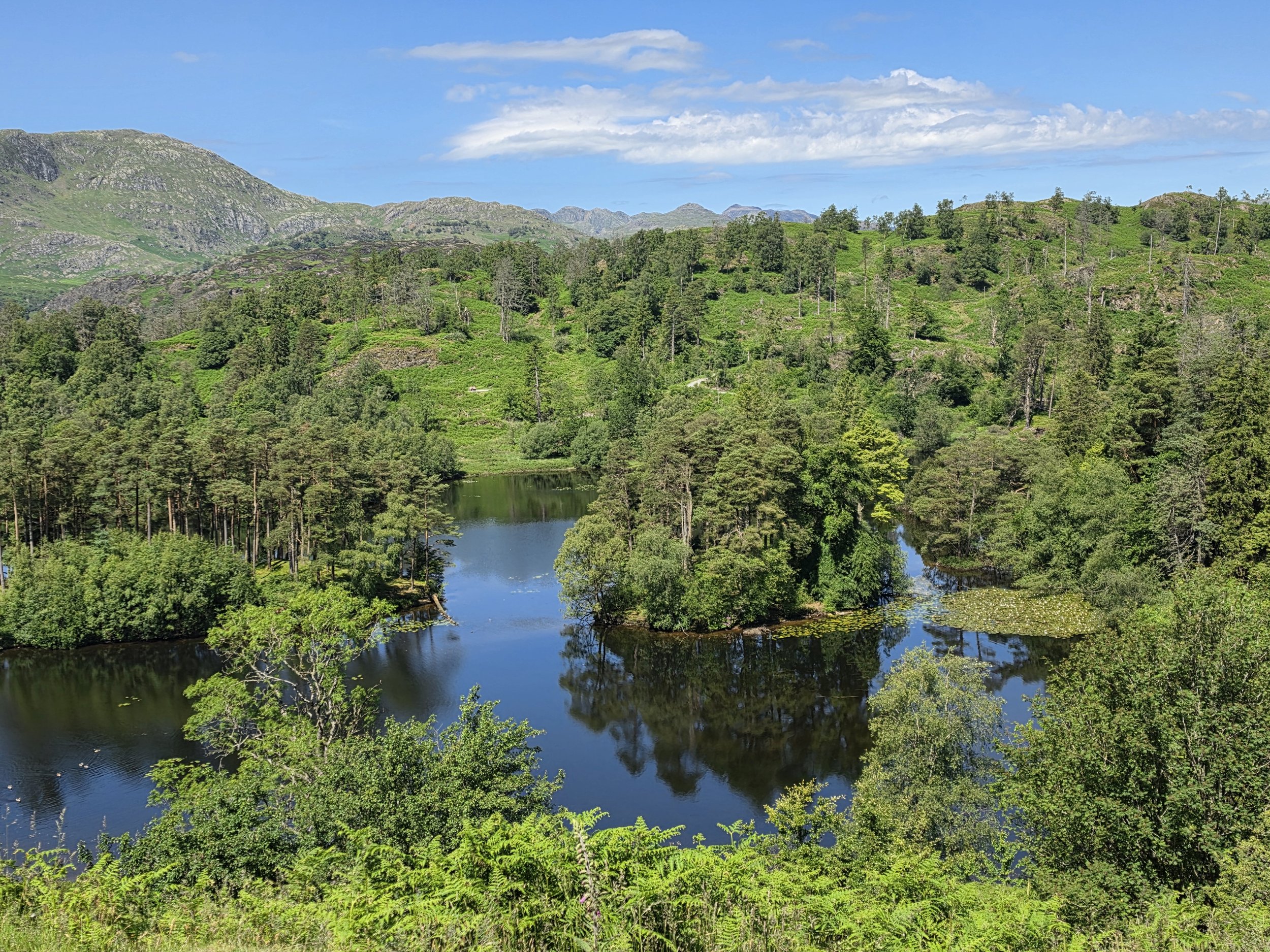
To start our second day, we headed to Tarn Hows, which is about a 20-minute drive from Grasmere. Tarn Hows is about a 1.5-mile walk over mostly flat ground around a lake ("tarn" means mountain lake). It provided a calm way to start the day. The foliage and landscape around the lake somehow felt more reminiscent of the U.S. Northeast than England. There is also an elevated path with viewpoints that provide better views of the entire lake. Nearby, you'll find a car park.
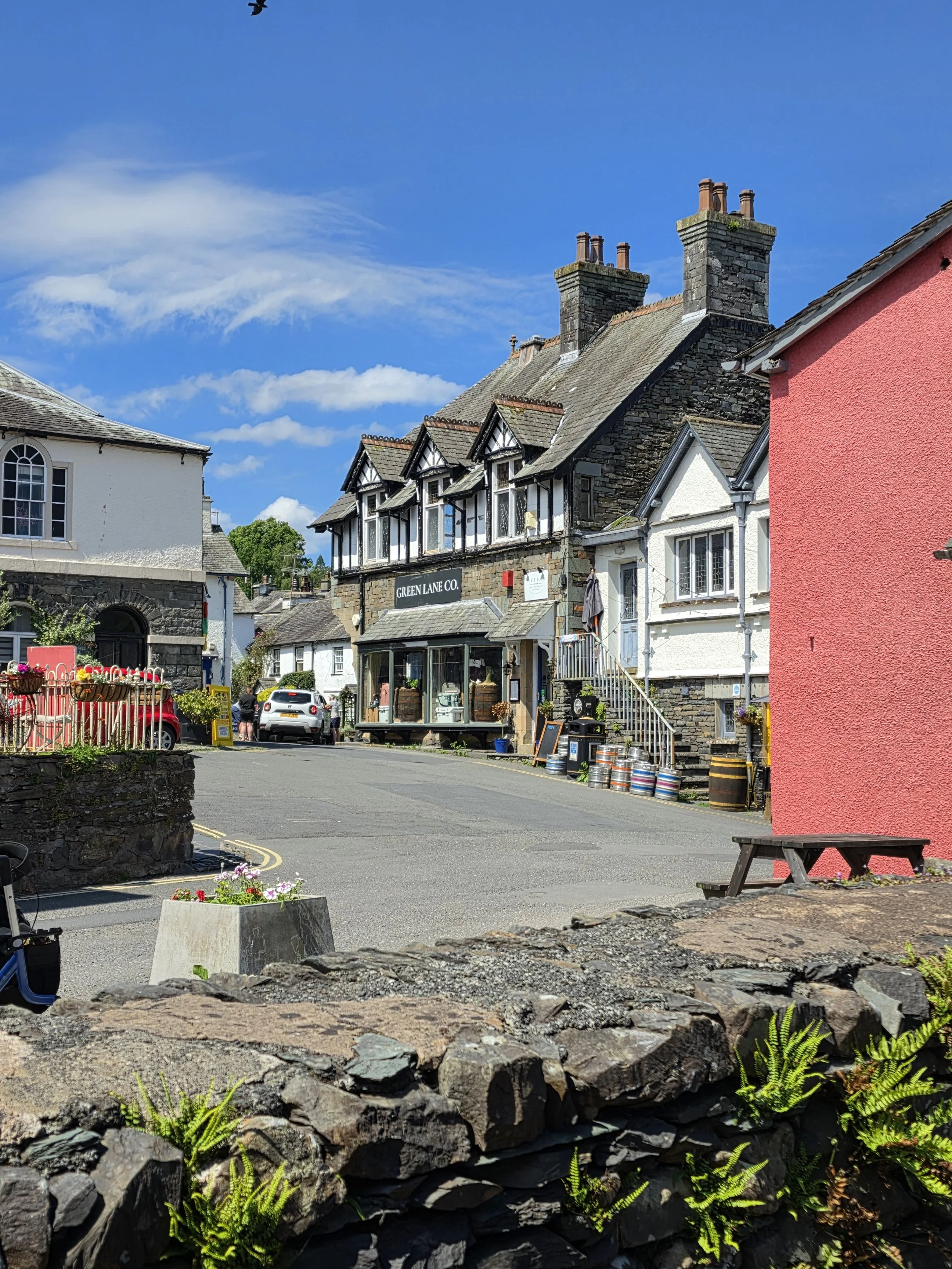
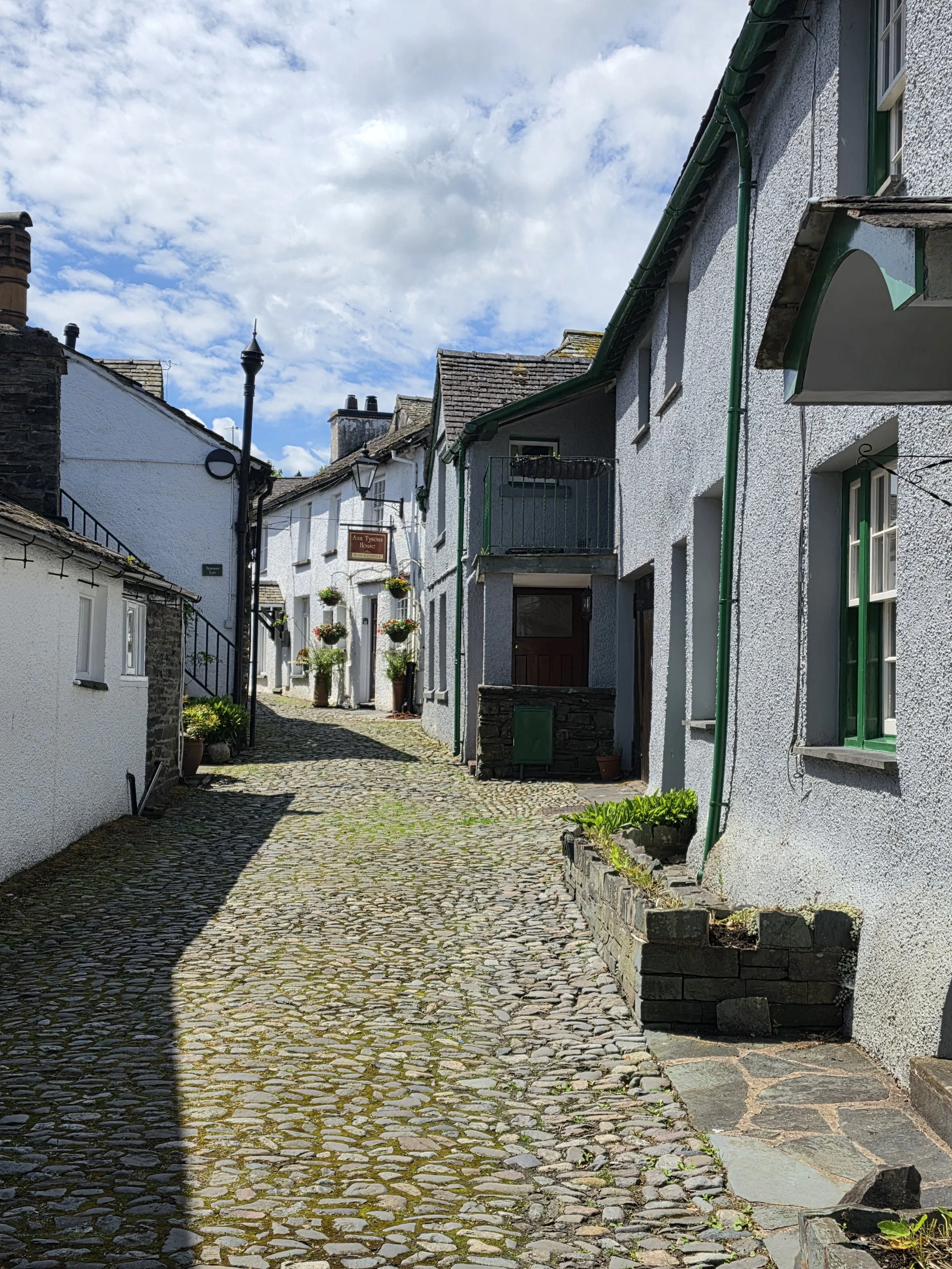
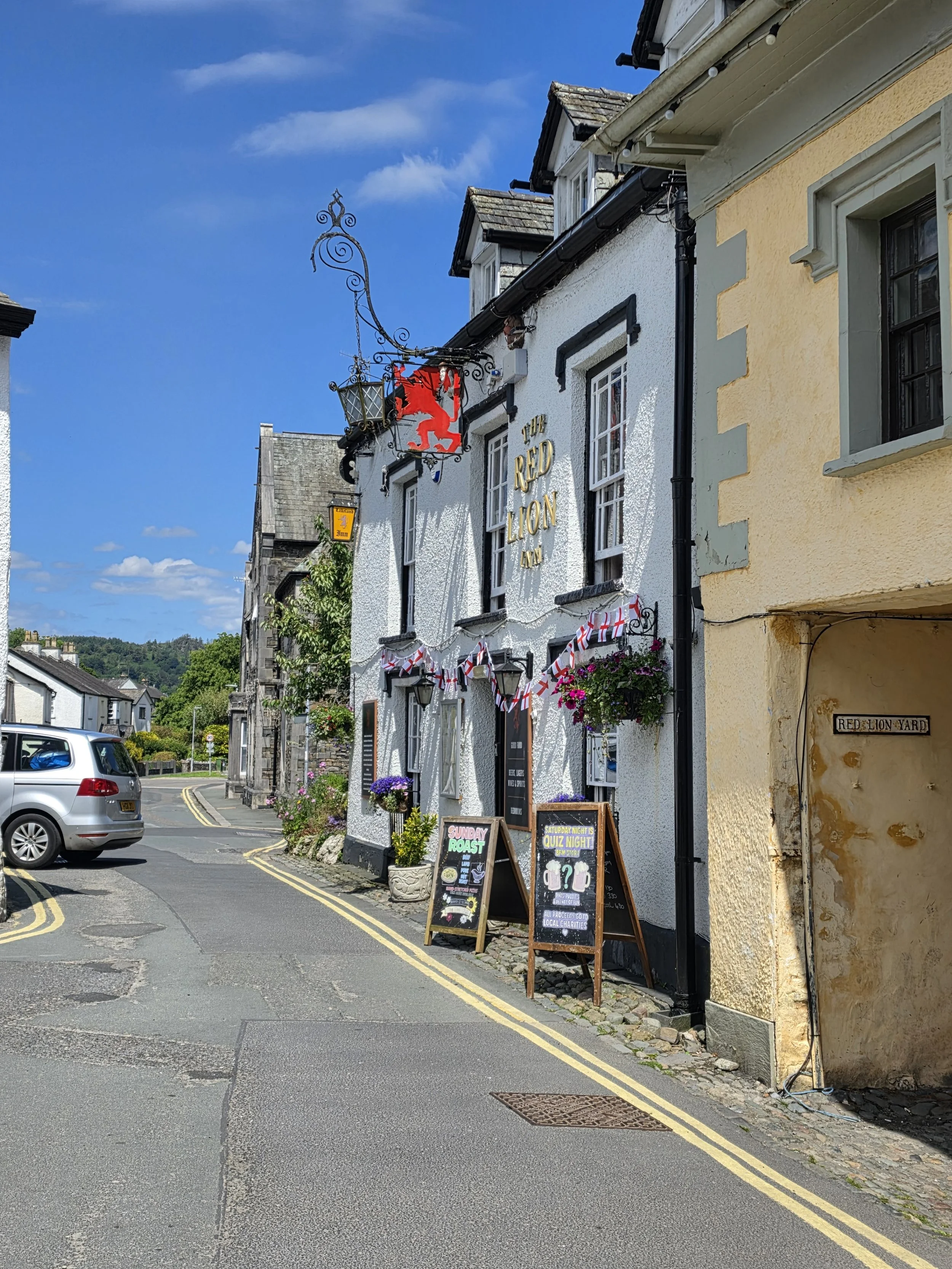
Afterward, we grabbed an early lunch in Hawkshead, one of the best-preserved medieval villages in the Lake District. It became an important trading center after receiving its market charter in 1292. Today, the village has maintained much of its historic charm, with small shops, pubs, and cottages.
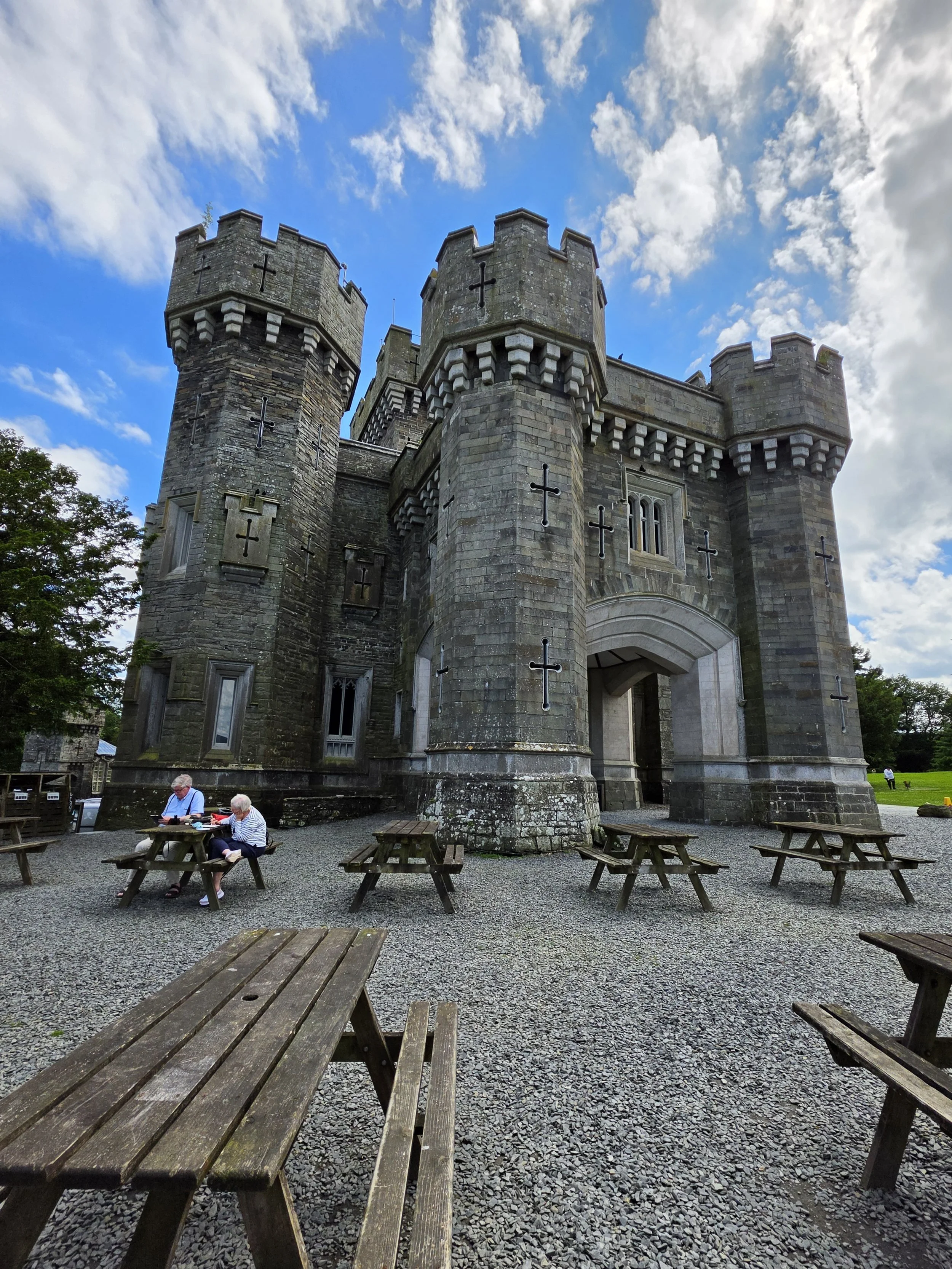
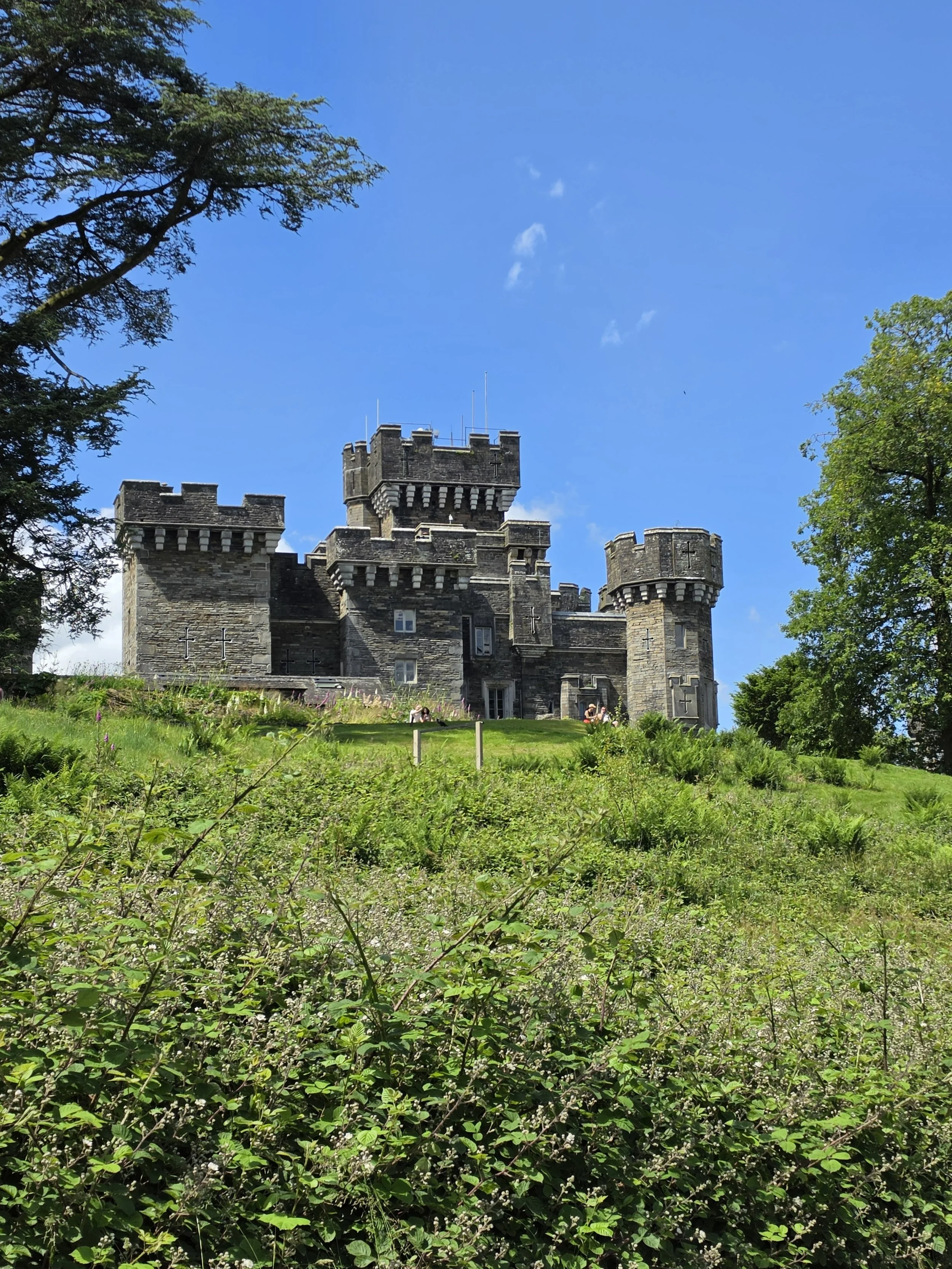
From Hawkshead, we traveled to Wray Castle, which, despite its name, never served as a castle and was instead built between 1840 and 1847 as a Gothic Revival country house. The grounds border Lake Windermere, and from the car park, you can access the lakeshore and nearby walking trails. The "castle" gardens themselves aren't particularly large, but the building feels unique and regal, and because it's relatively modern, it has been very well maintained. When we visited in summer 2026, the interior of the castle was closed for renovations but was expected to reopen in 2027. Like much of the Lake District, there are many hiking trails around the estate.
On the way to our next stop is Blackwell, one of England's finest Arts & Crafts houses. This museum showcases period furniture, architecture, and interior design. Unfortunately, the museum is closed on Sundays, which happened to be the day we tried to visit.
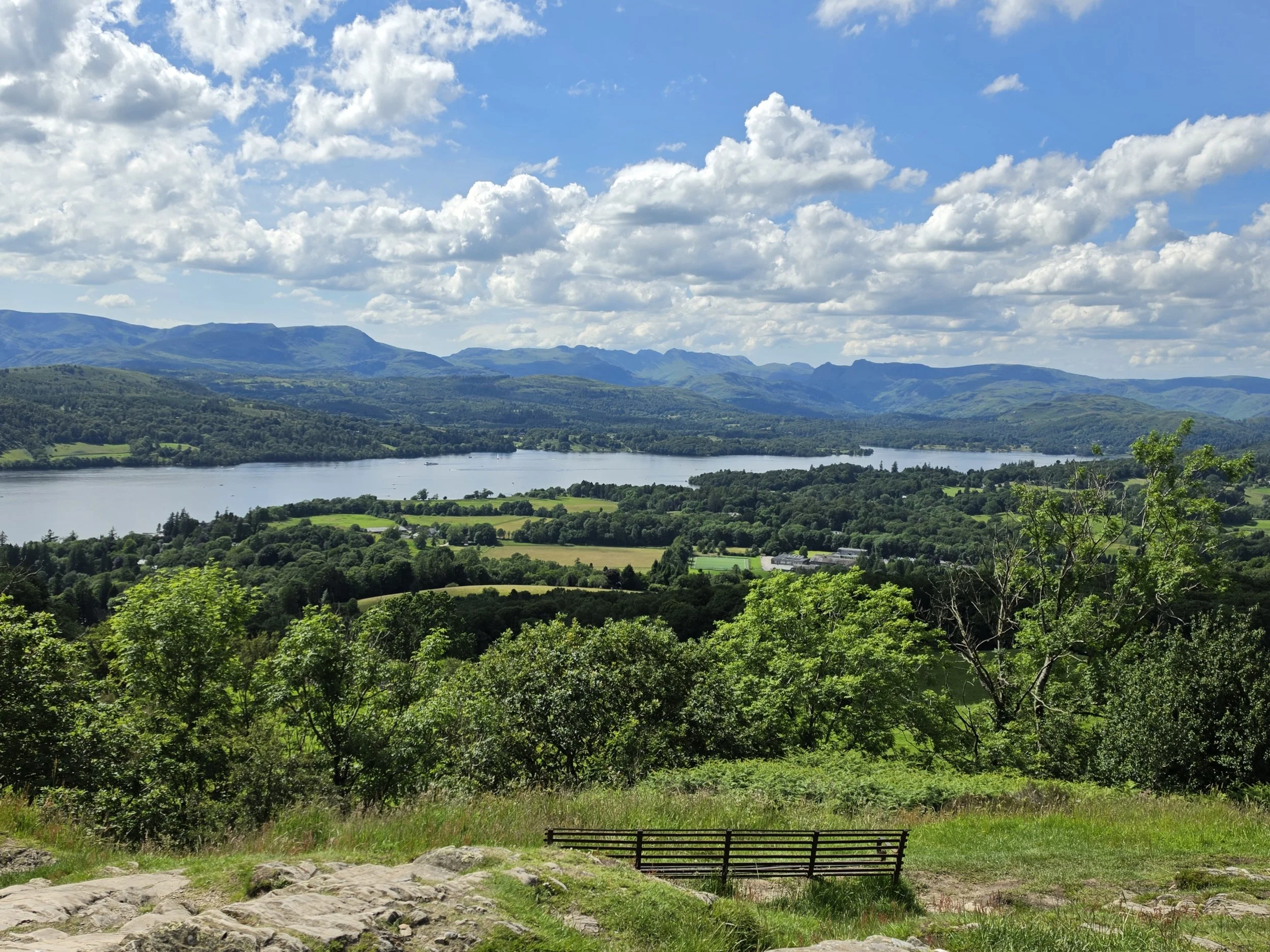
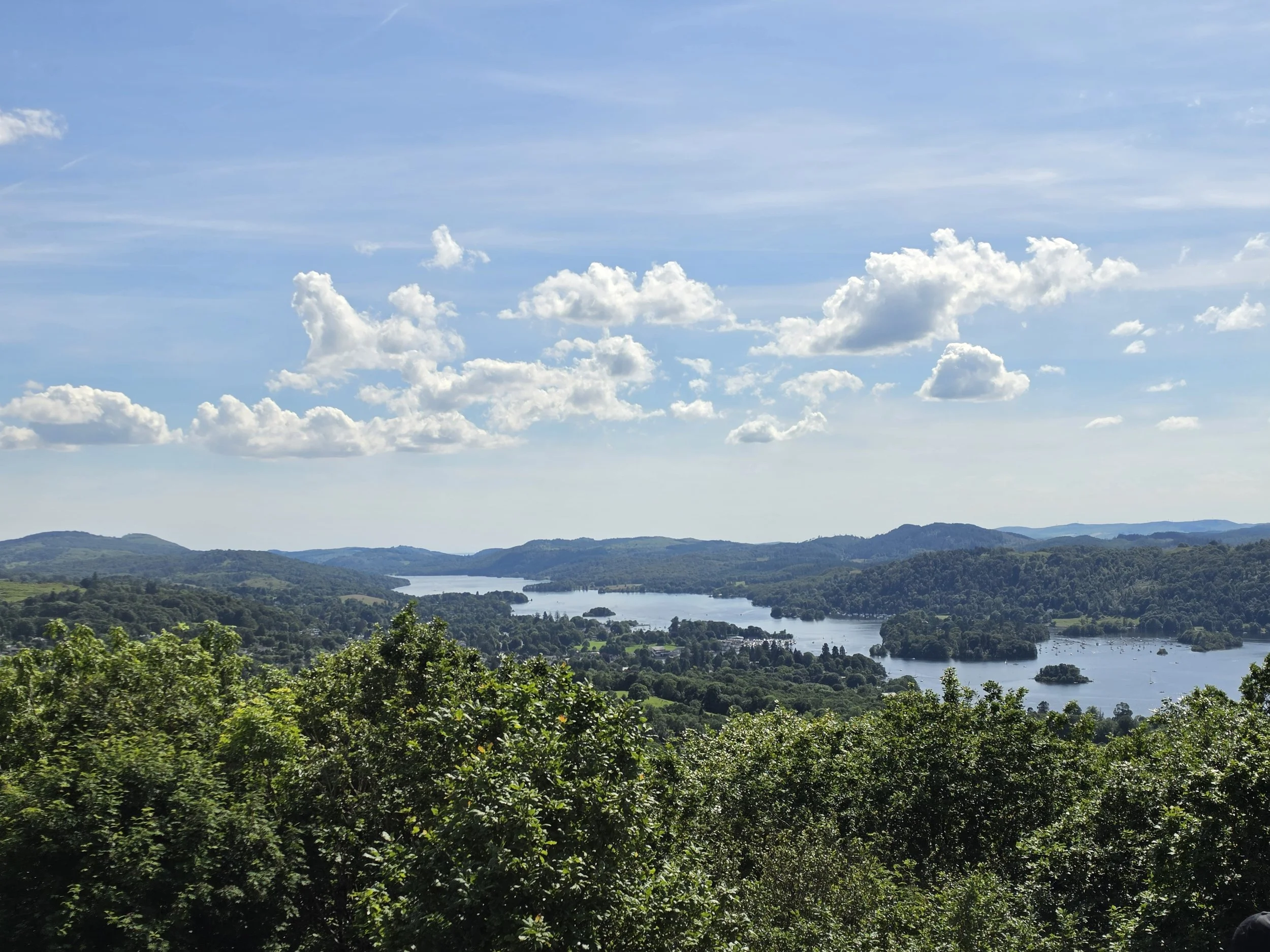
Our next stop was Orrest Head, located on the outskirts of the town of Windermere. The 30- to 40-minute hike (each way) takes you to a panoramic view over Lake Windermere. There are both easy and moderate paths to the summit, depending on whether you prefer a shorter, steeper climb or a longer, gentler route.
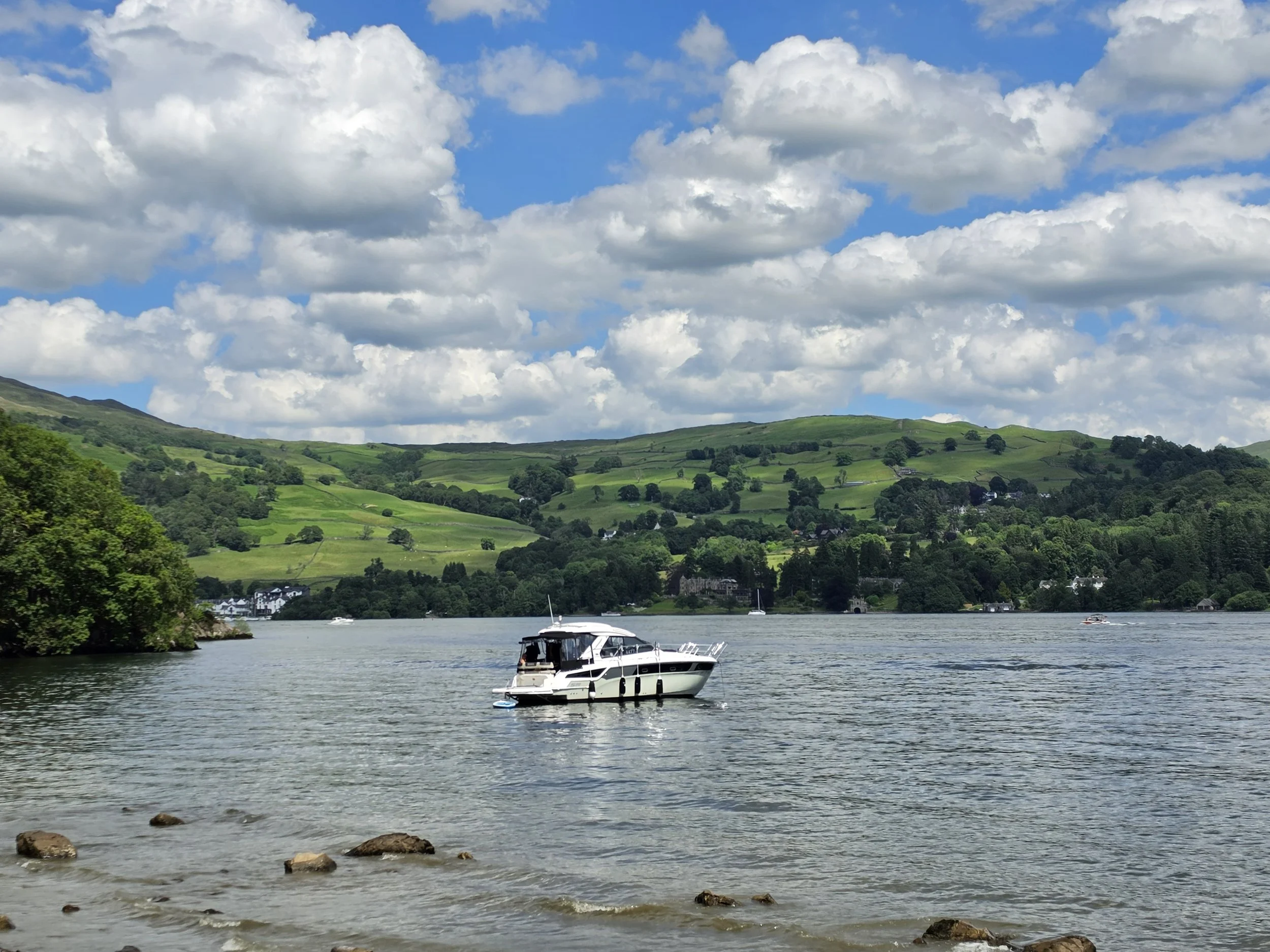
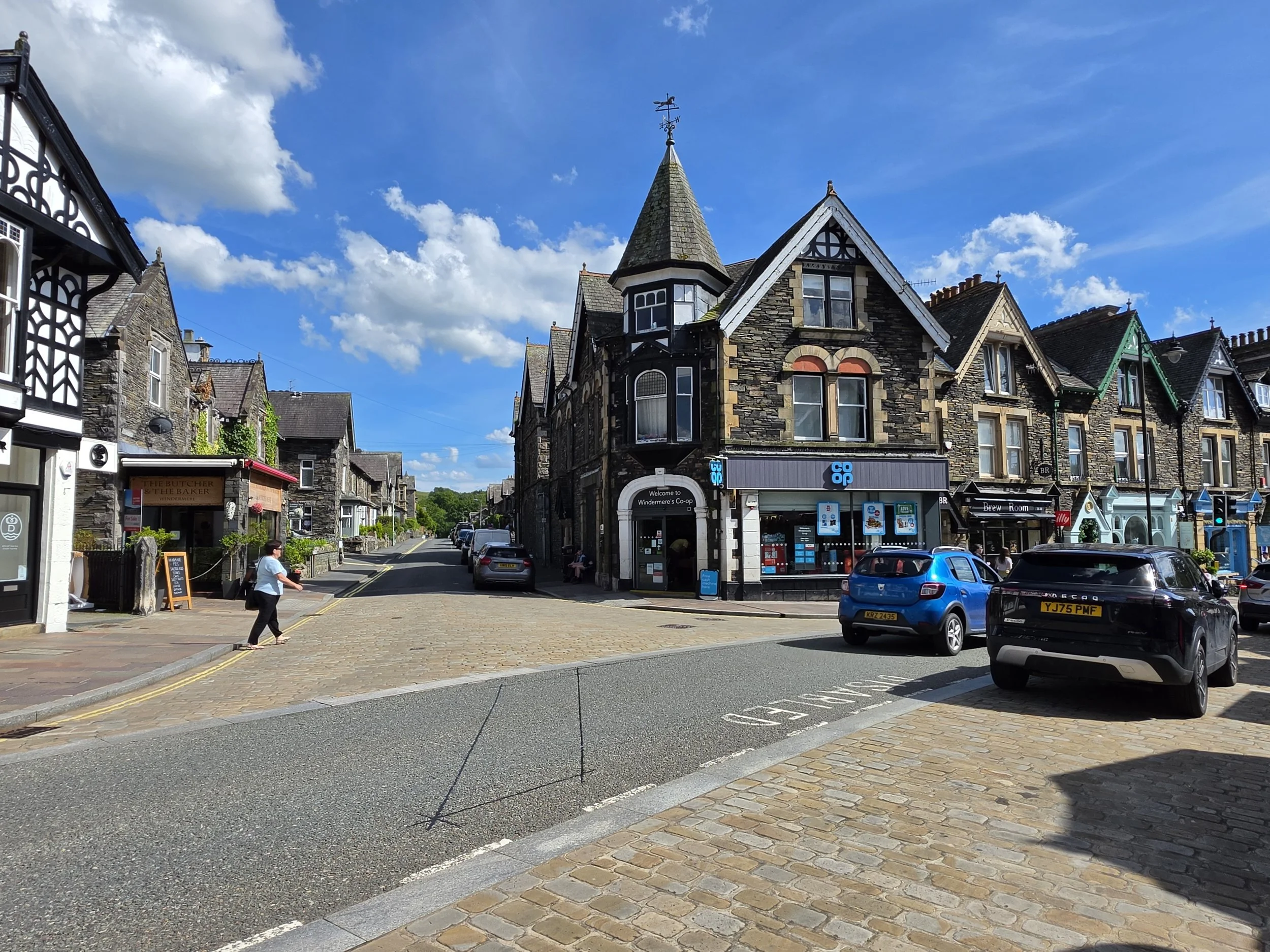
After the hike, we briefly explored the town of Windermere, one of the larger towns in the area, although it maintains a similar feel to many of the surrounding villages with its small boutique shops, taverns, and cafés. Windermere itself sits about 1.5 miles from the lake. For lakeside walks, boat cruises, and other water activities, head to the neighboring town of Bowness-on-Windermere.
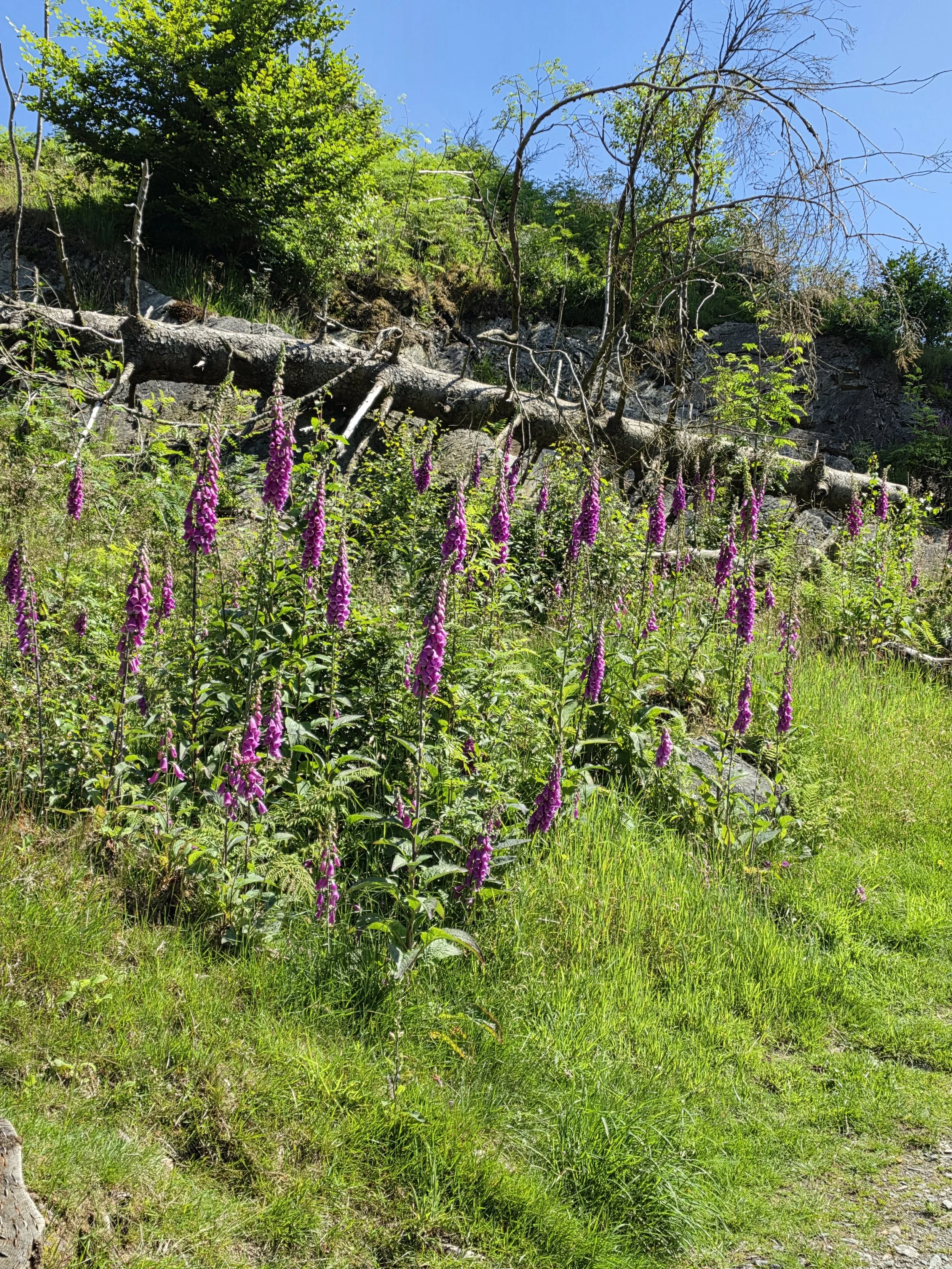
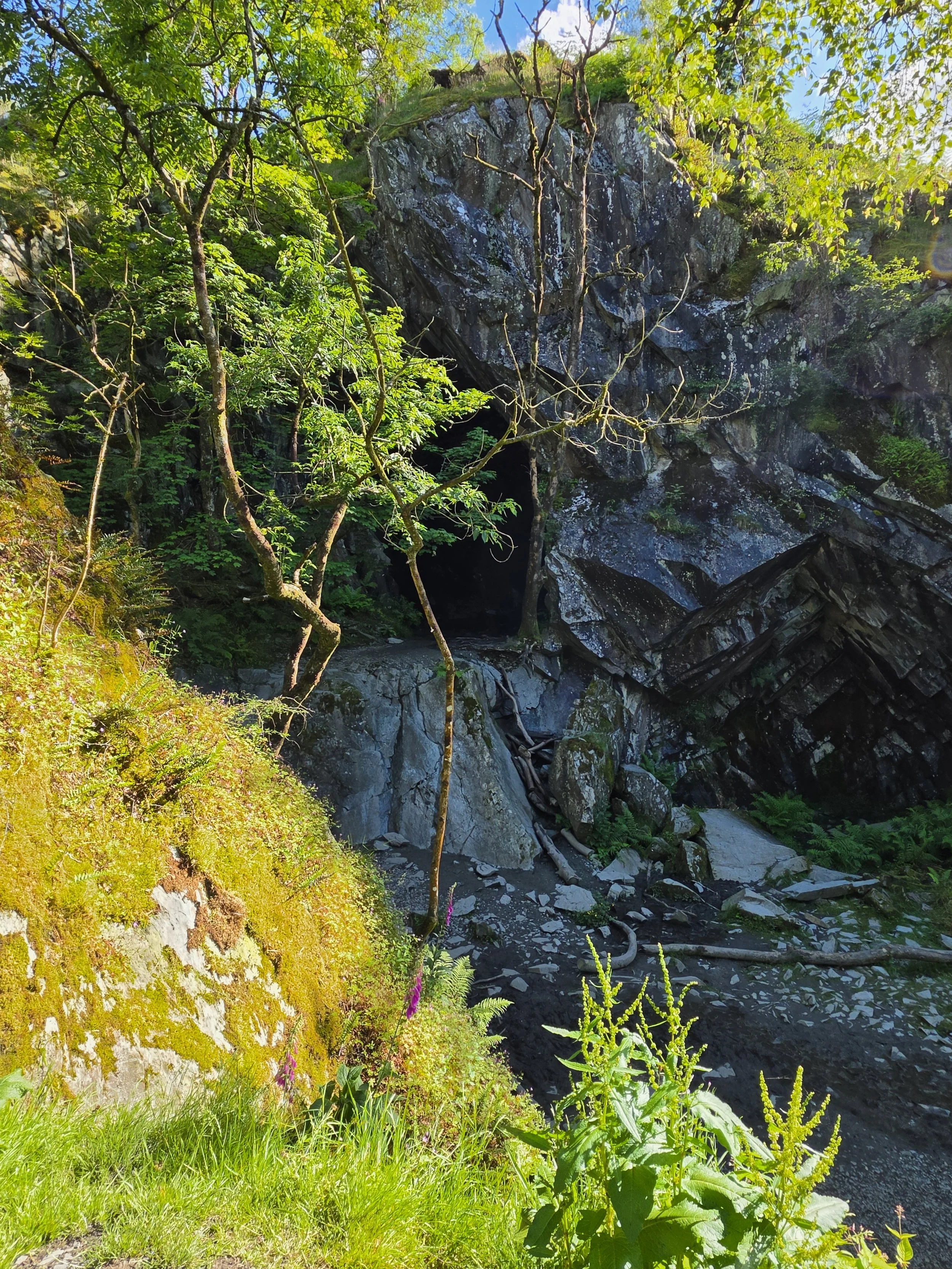
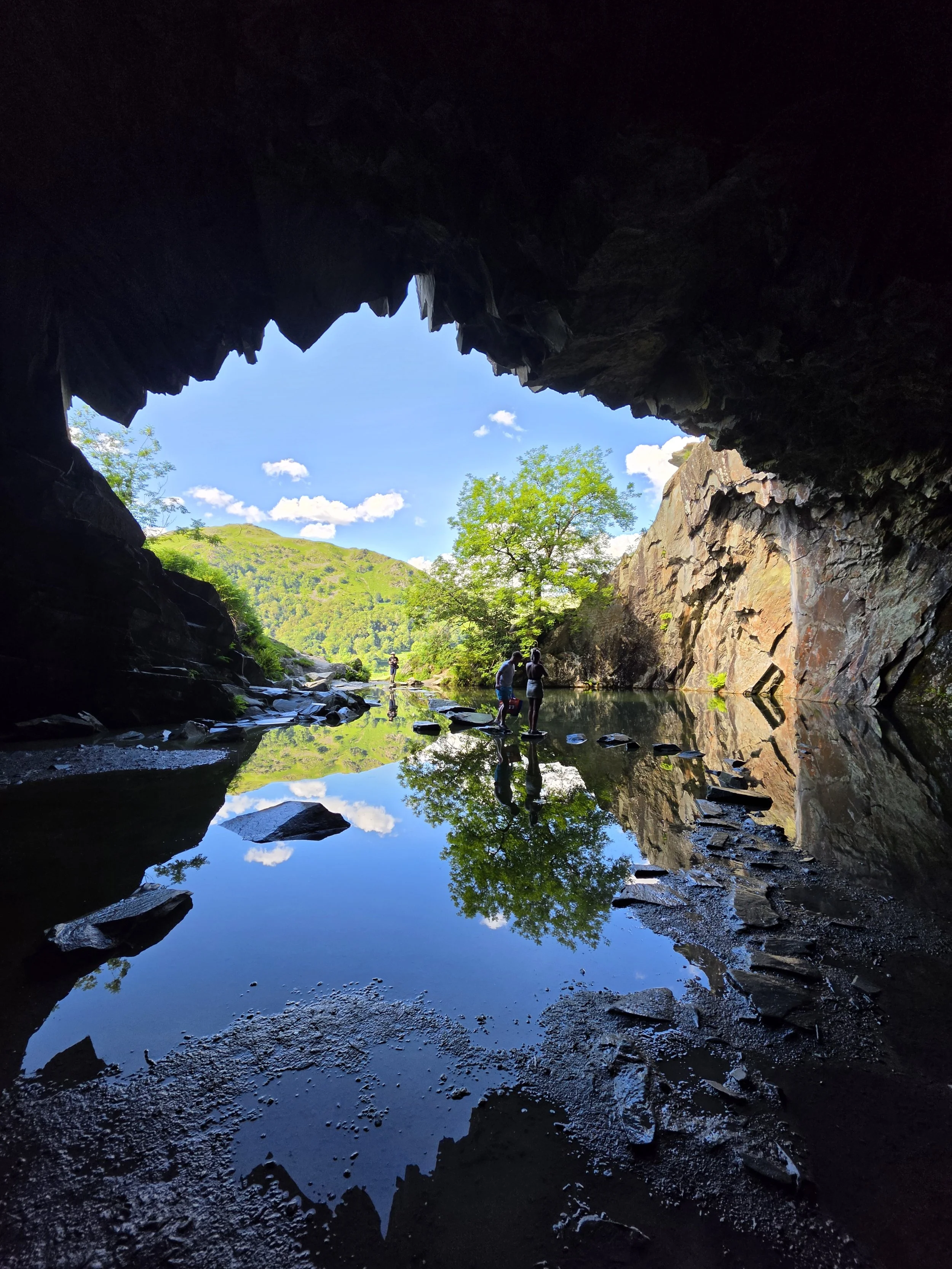
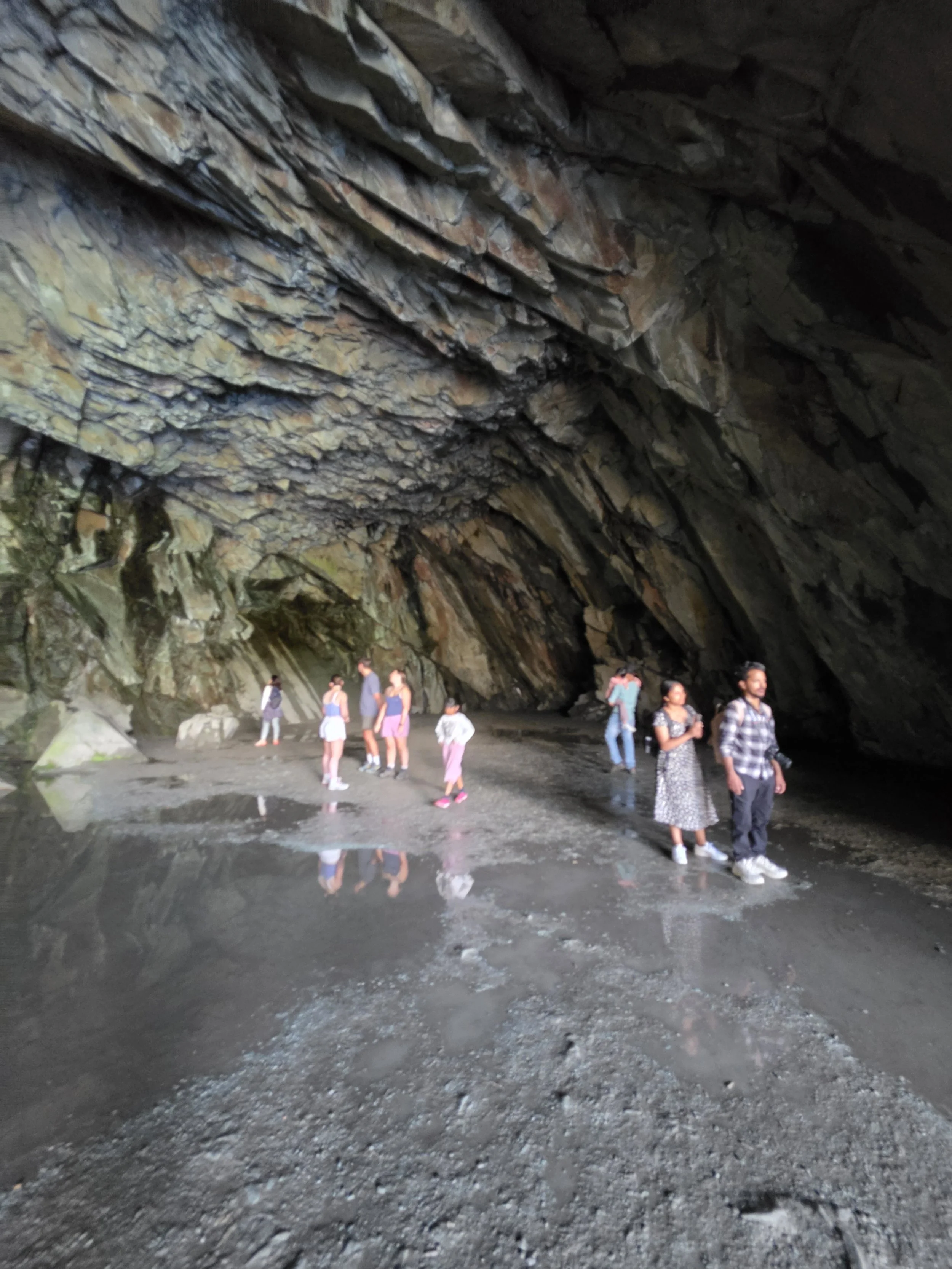
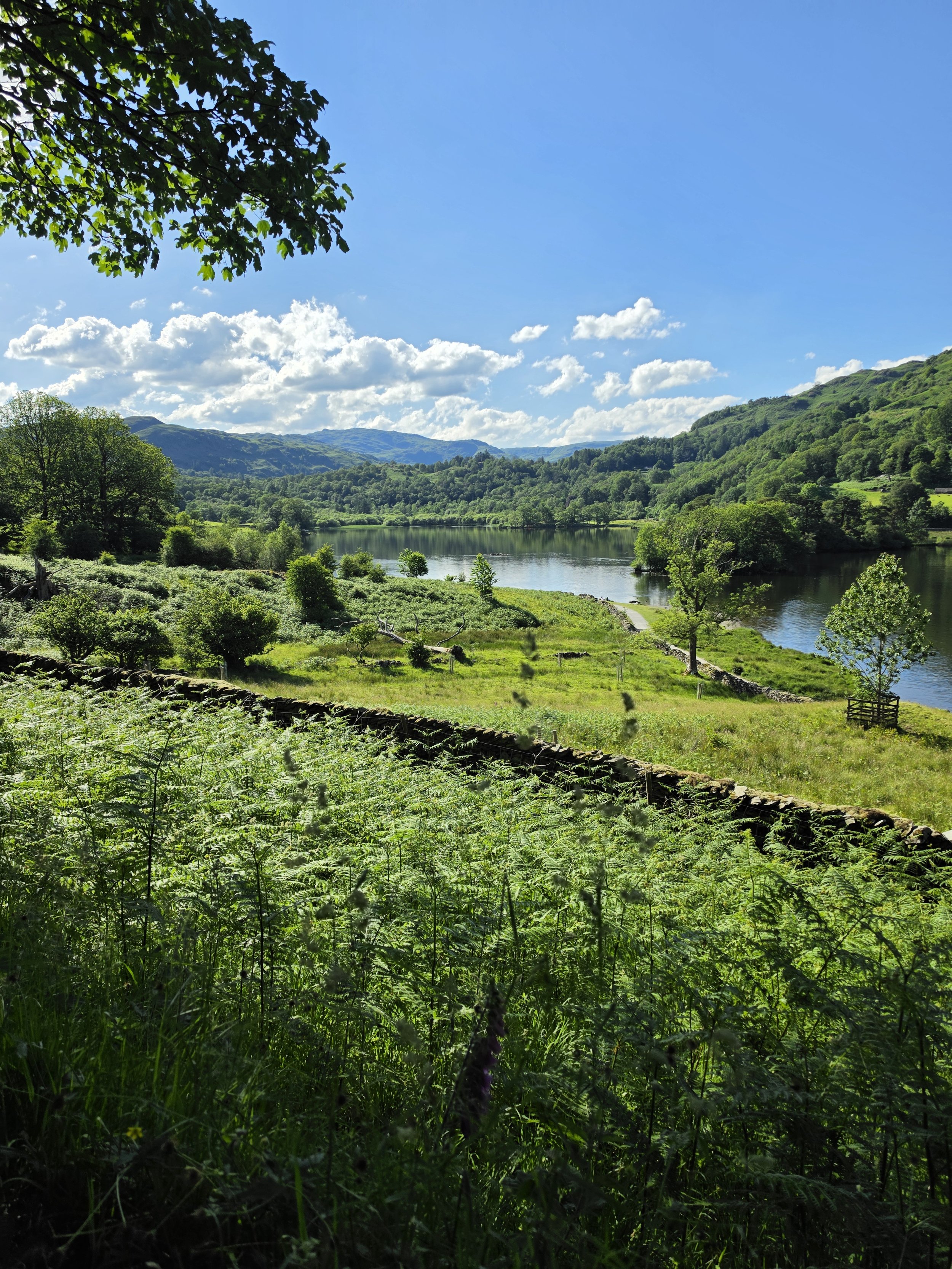
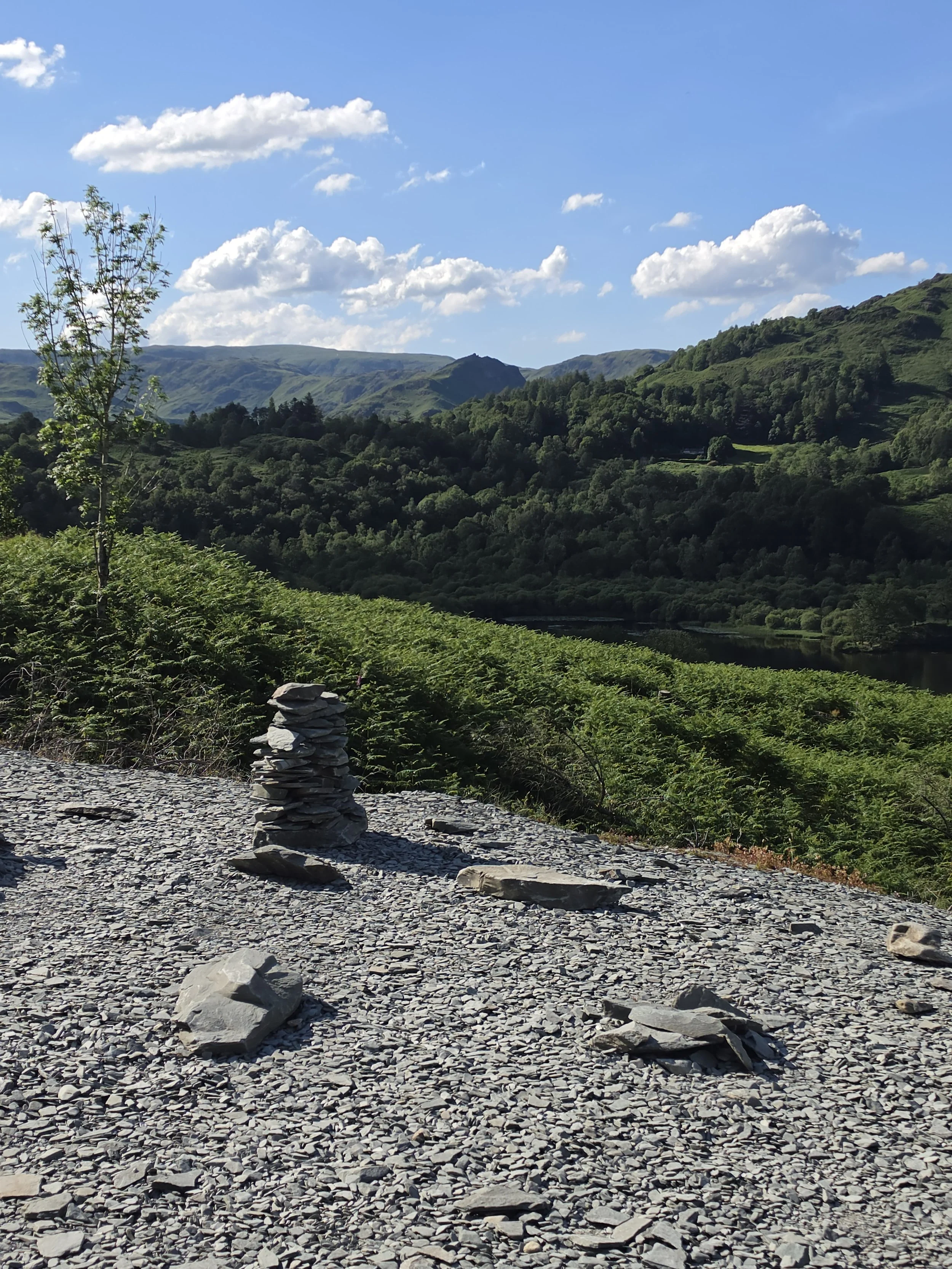
Finally, we wrapped up the day by visiting Rydal Cave, which is only about five minutes from Grasmere. From the car park, it's about a 45- to 75-minute round-trip walk, and while steeper than some of the other hikes, it never felt unsafe. The cave is not naturally occurring; instead, it was created in the nineteenth century as part of a slate quarry (you'll notice many of the slate roofs and building materials throughout the Lake District). There are stepping stones leading into the cave, which is partially filled with collected rainwater. On the walk to and from the cave, you'll also get views of Grasmere Water, along with the surrounding meadows and hills.
Day 3: Aira Force, Pooley Bridge, Hallin Fell, & Lowther Castle
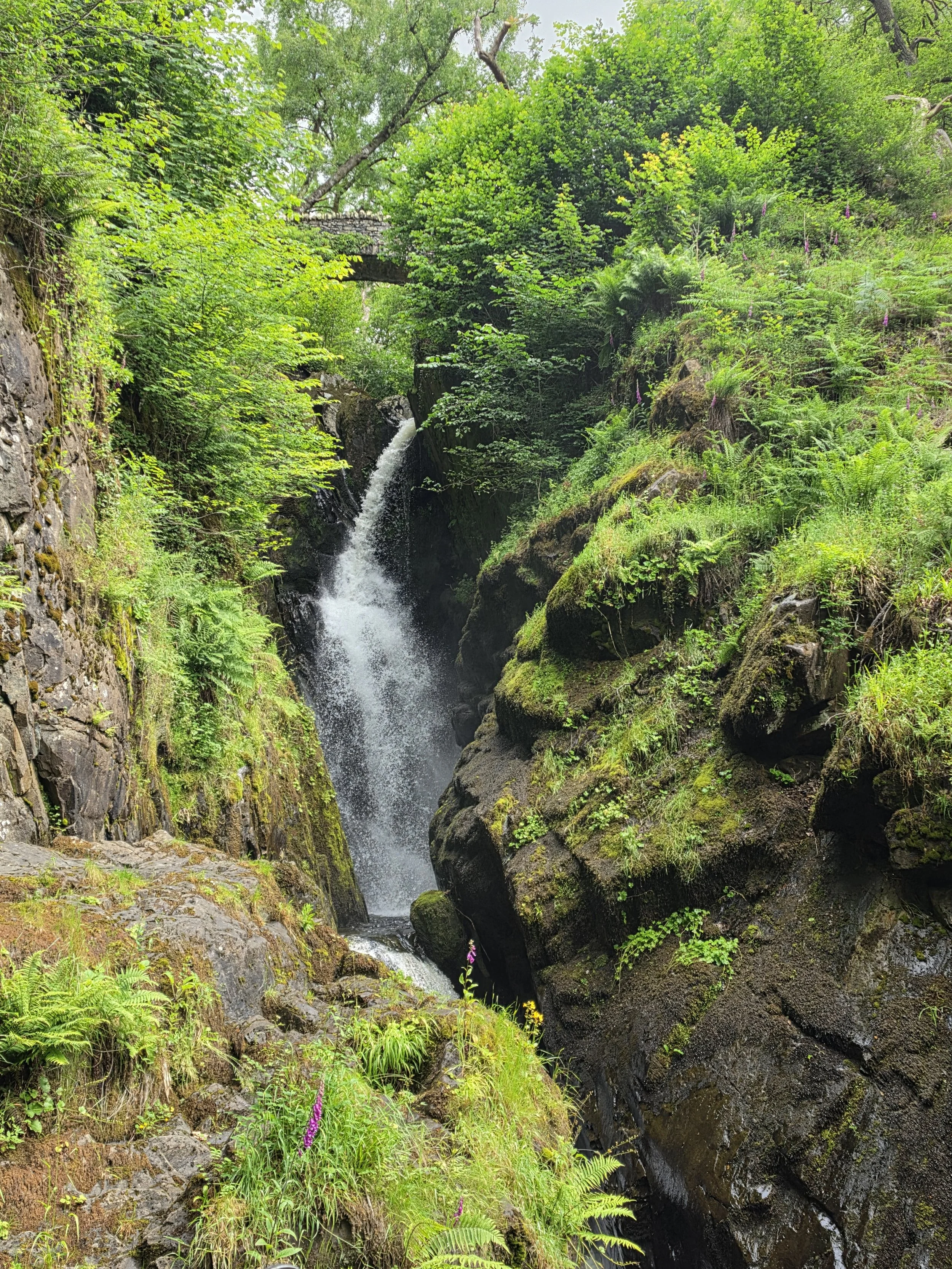
On our final day in England's Lake District, we started with a walk around Aira Force, one of the area's most famous waterfalls. The waterfall drops about 65 feet and is surrounded by walking paths that take you around the falls and the stream below. Like the rest of our walks and hikes so far, it's more of a relaxing walk than anything too strenuous. The area can be explored in about an hour at a leisurely pace, and there is also a café nearby.
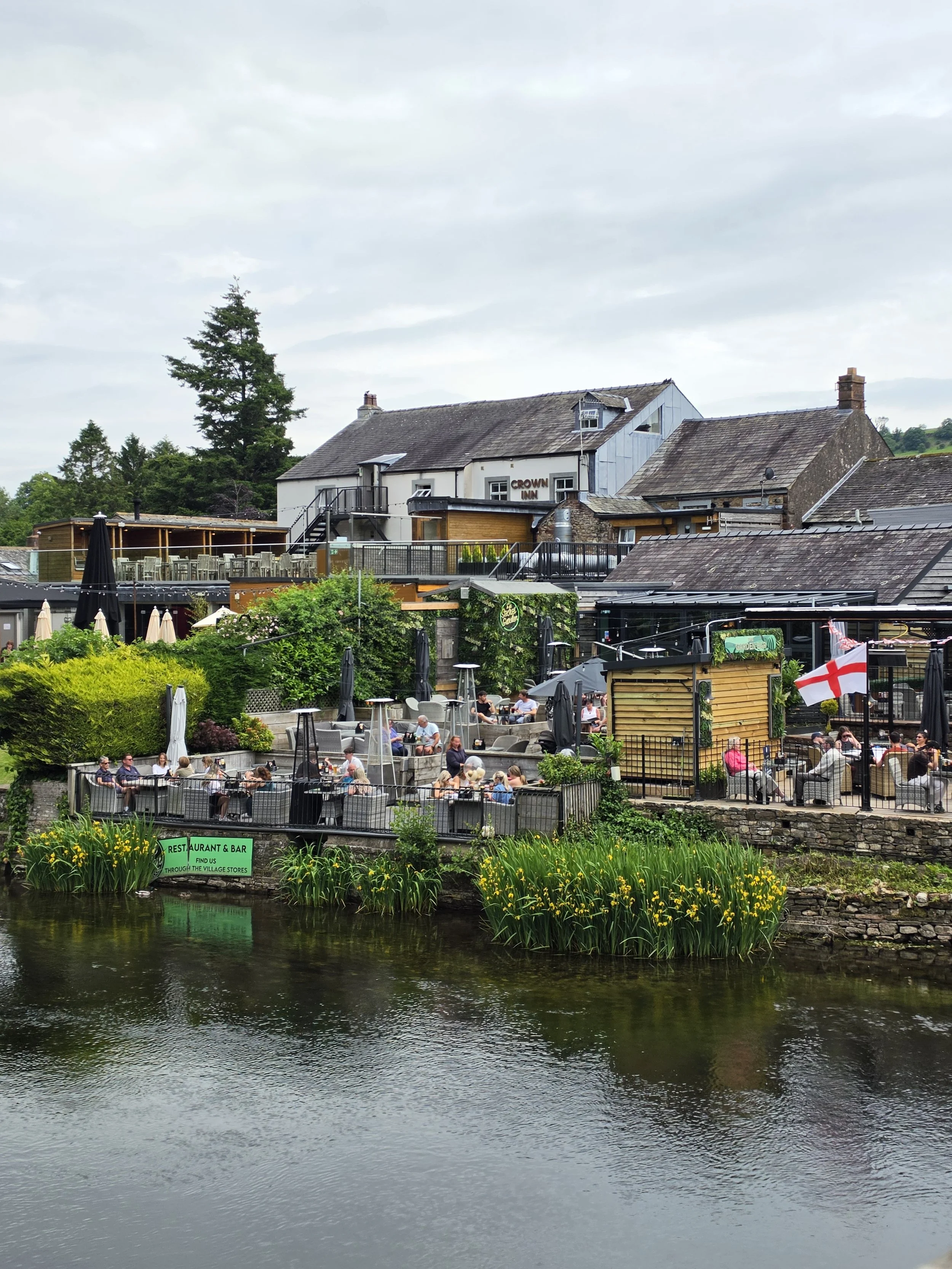
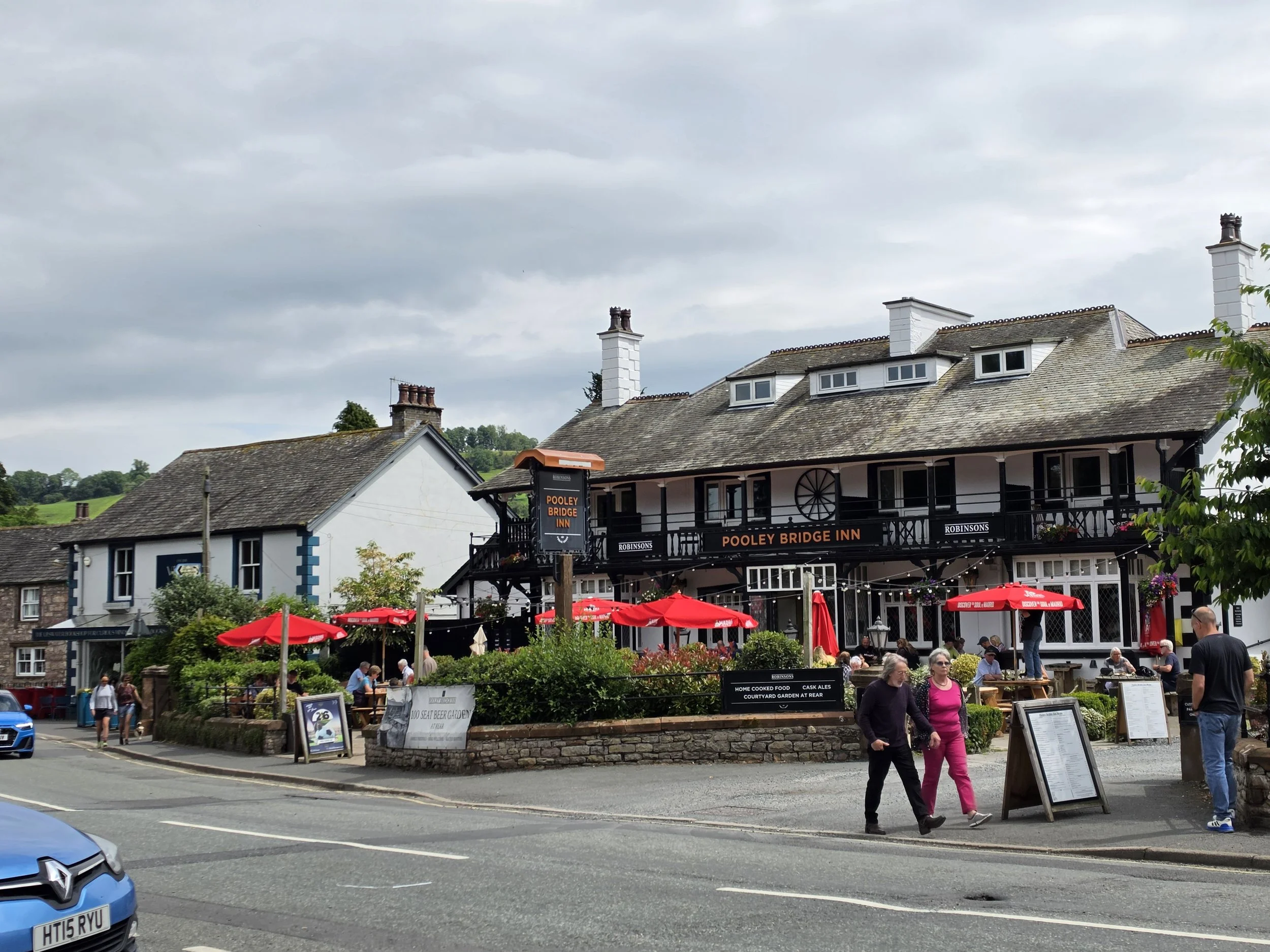
After Aira Force, we drove about 15 minutes to the town of Pooley Bridge, a small village at the northern end of Ullswater. Like Hawkshead, it dates back to medieval times. The village is named after the bridge that crosses the River Eamont; however, the original bridge, which stood for more than 250 years, was destroyed in a flood in 2015, and a new, modern bridge now stands in its place. Along the river, you'll find several restaurants, as well as a walking trail leading to Ullswater.
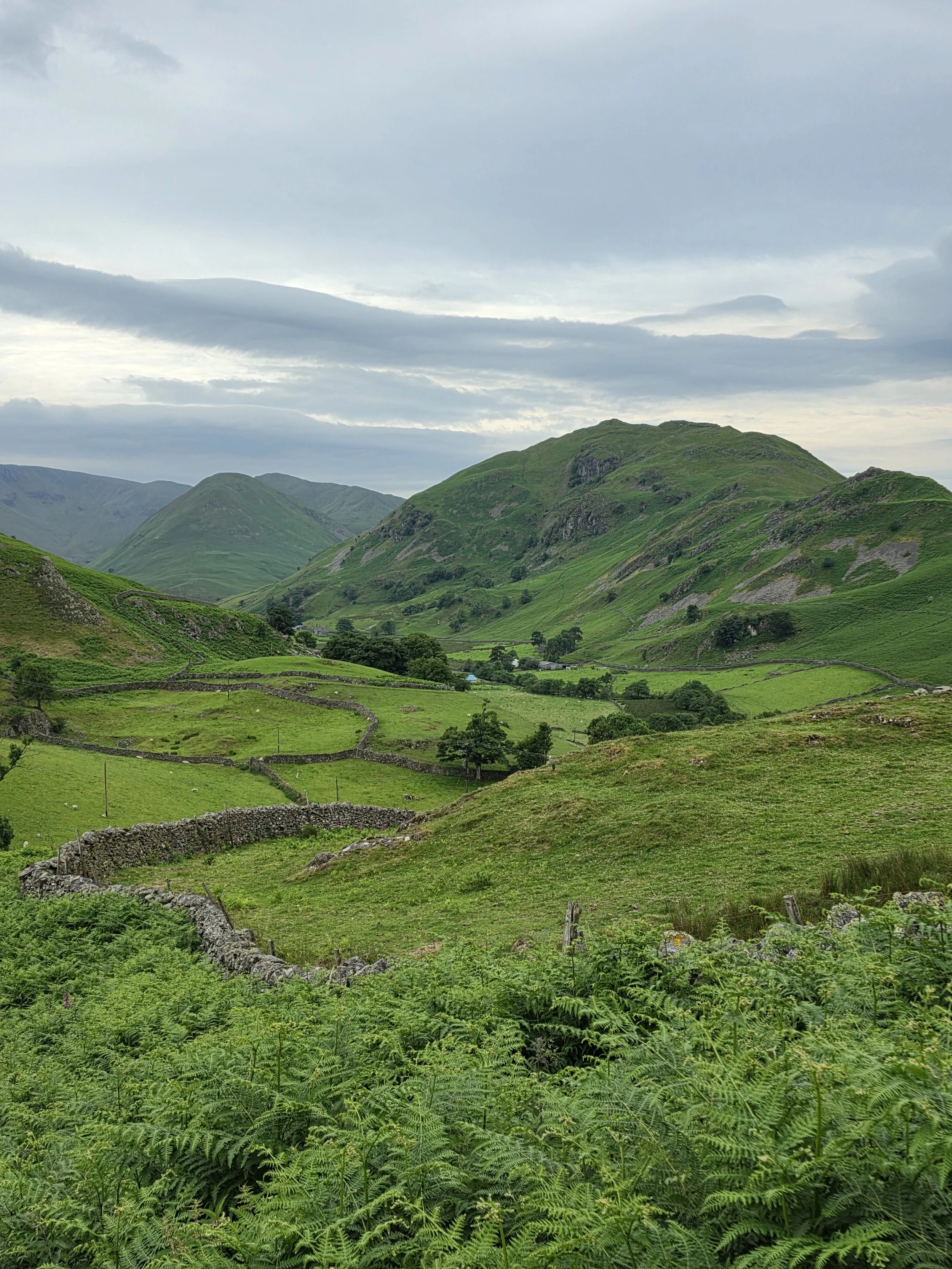
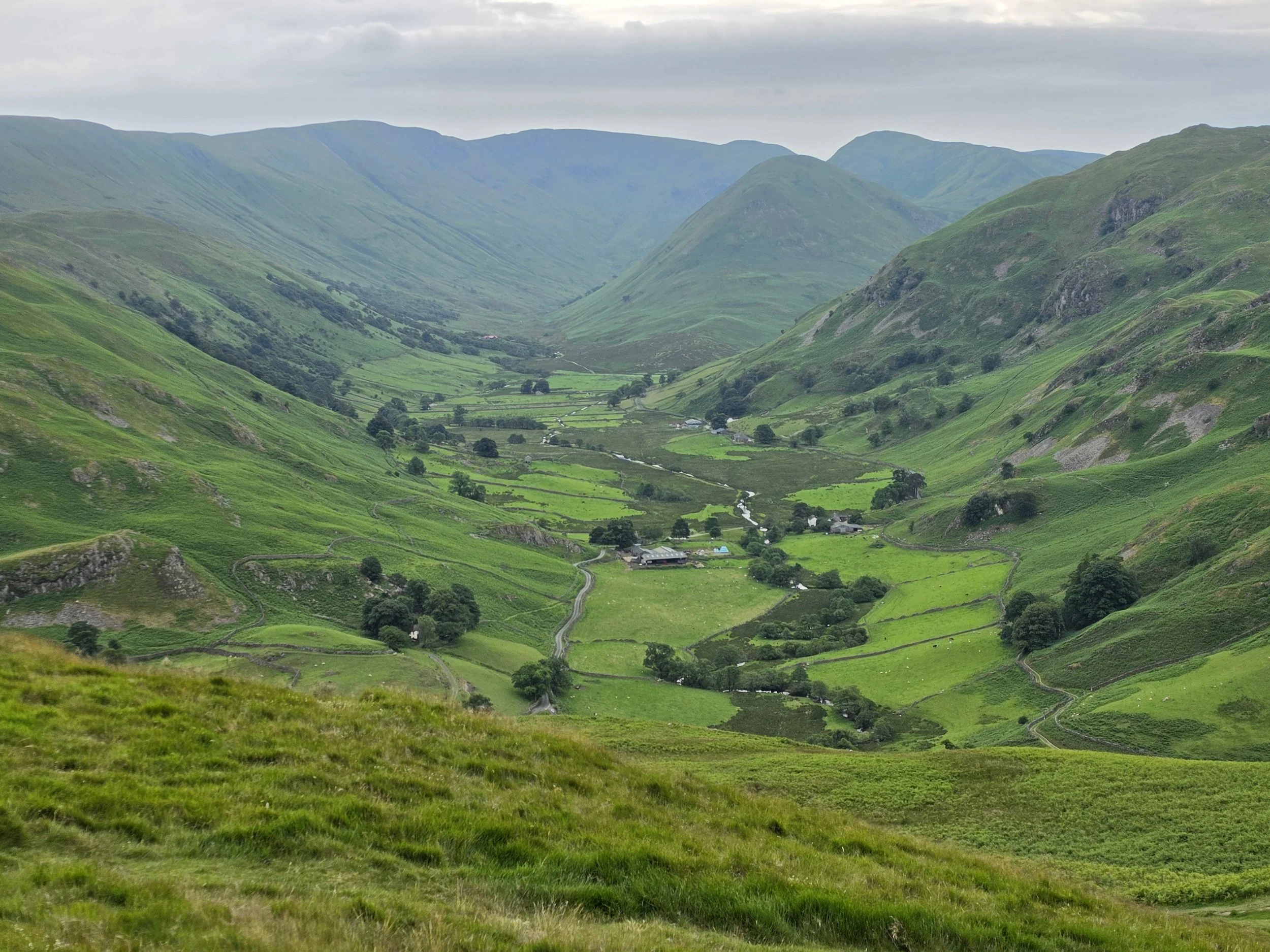
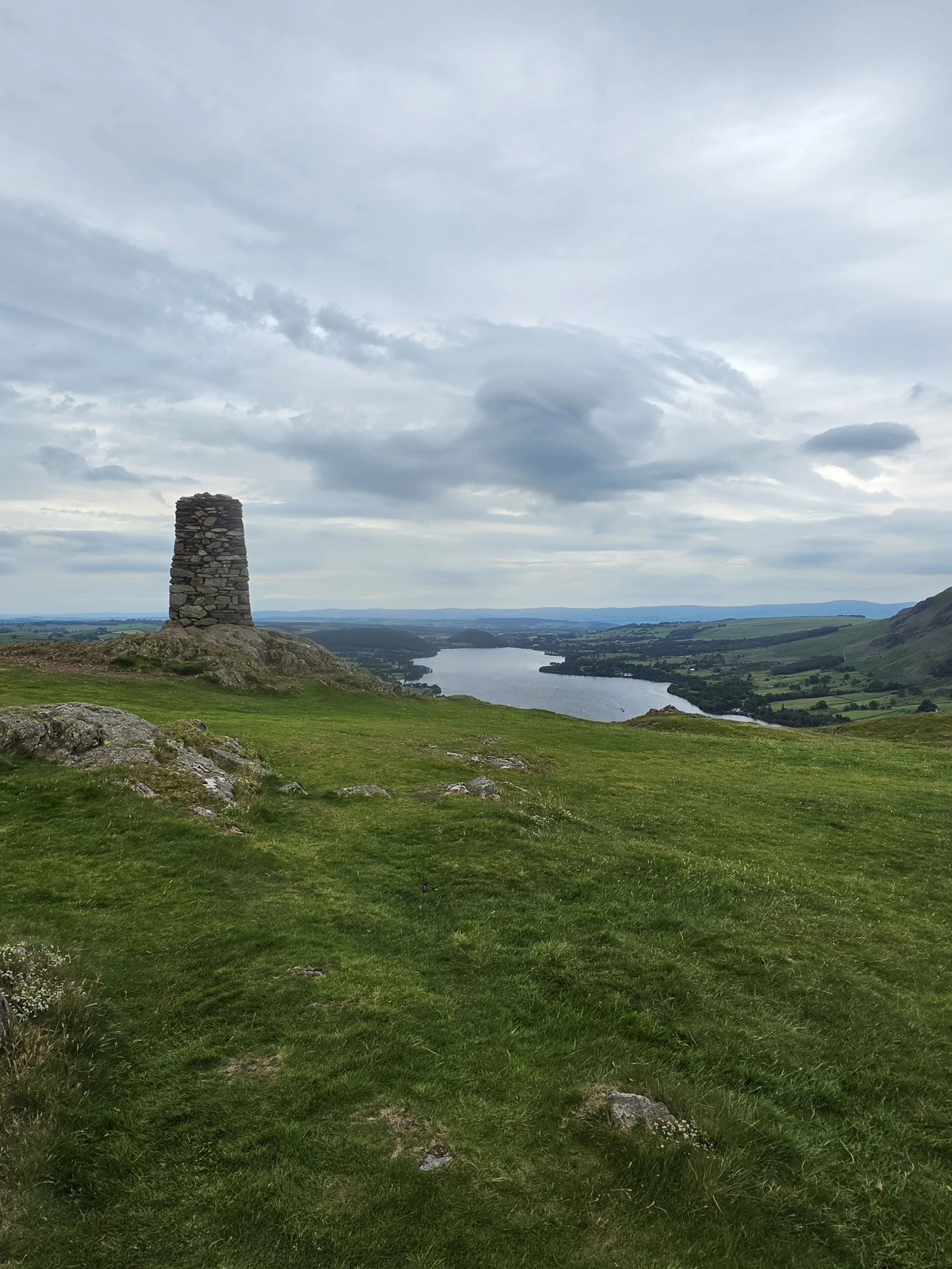
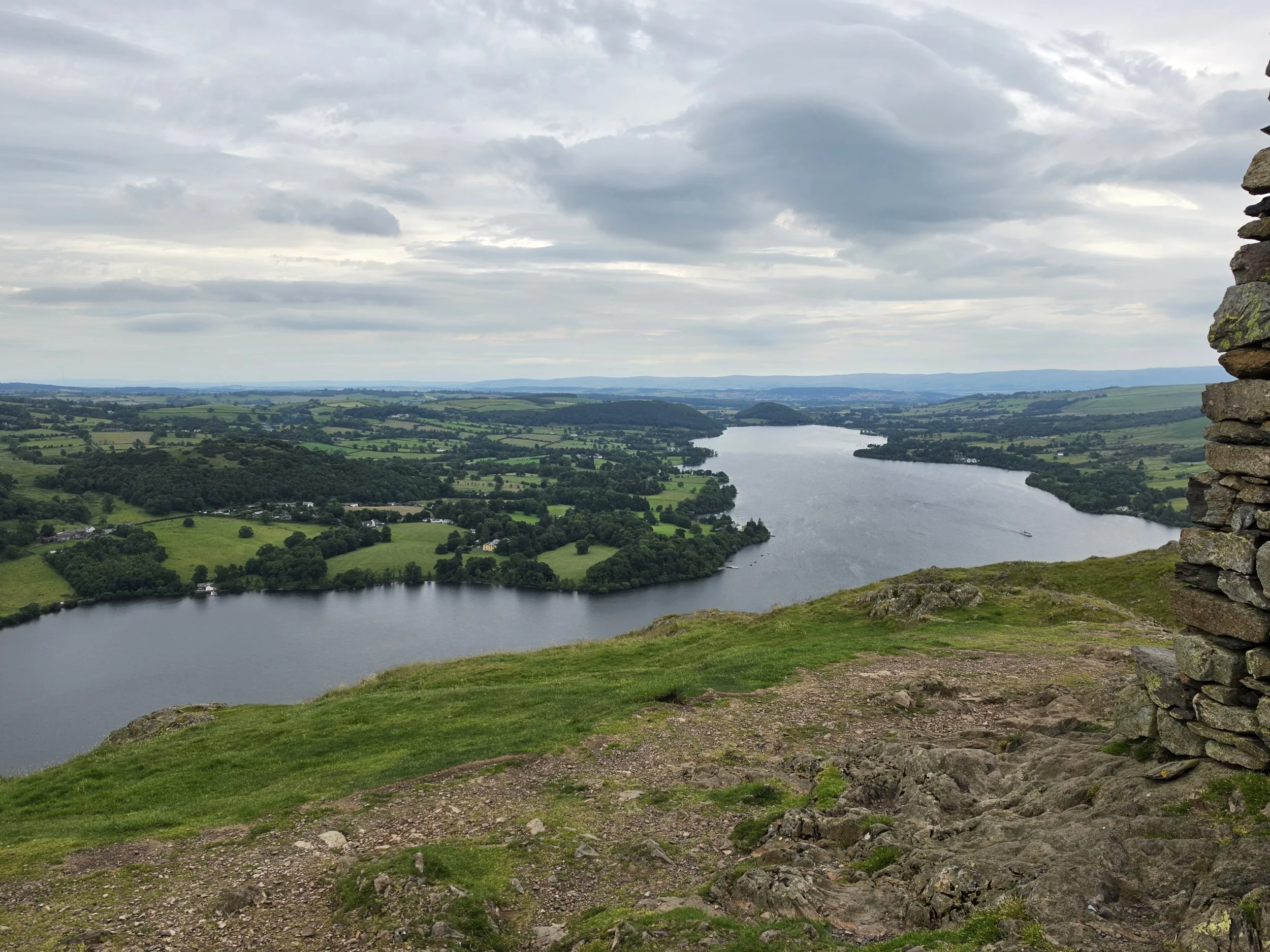
Once we wrapped up lunch in Pooley Bridge, we drove another 20 minutes to Hallin Fell. Just a word of caution—the road to the trailhead is quite steep and winding, and is only one lane wide, so if you've felt uncomfortable driving in the Lake District, you may want to skip this stop. However, Hallin Fell was one of the best viewpoints of the trip, so it's definitely worth it if you're comfortable making the drive. The hike itself is quite short (about one mile round trip) but climbs continuously, gaining roughly 500 feet of elevation, so it does require a moderate level of fitness. However, the trail is well defined, and there are no sections that require climbing or feel particularly risky, so it's mostly just a workout. From the summit, you can see Ullswater, along with sweeping views of the surrounding Cumbrian Mountains.
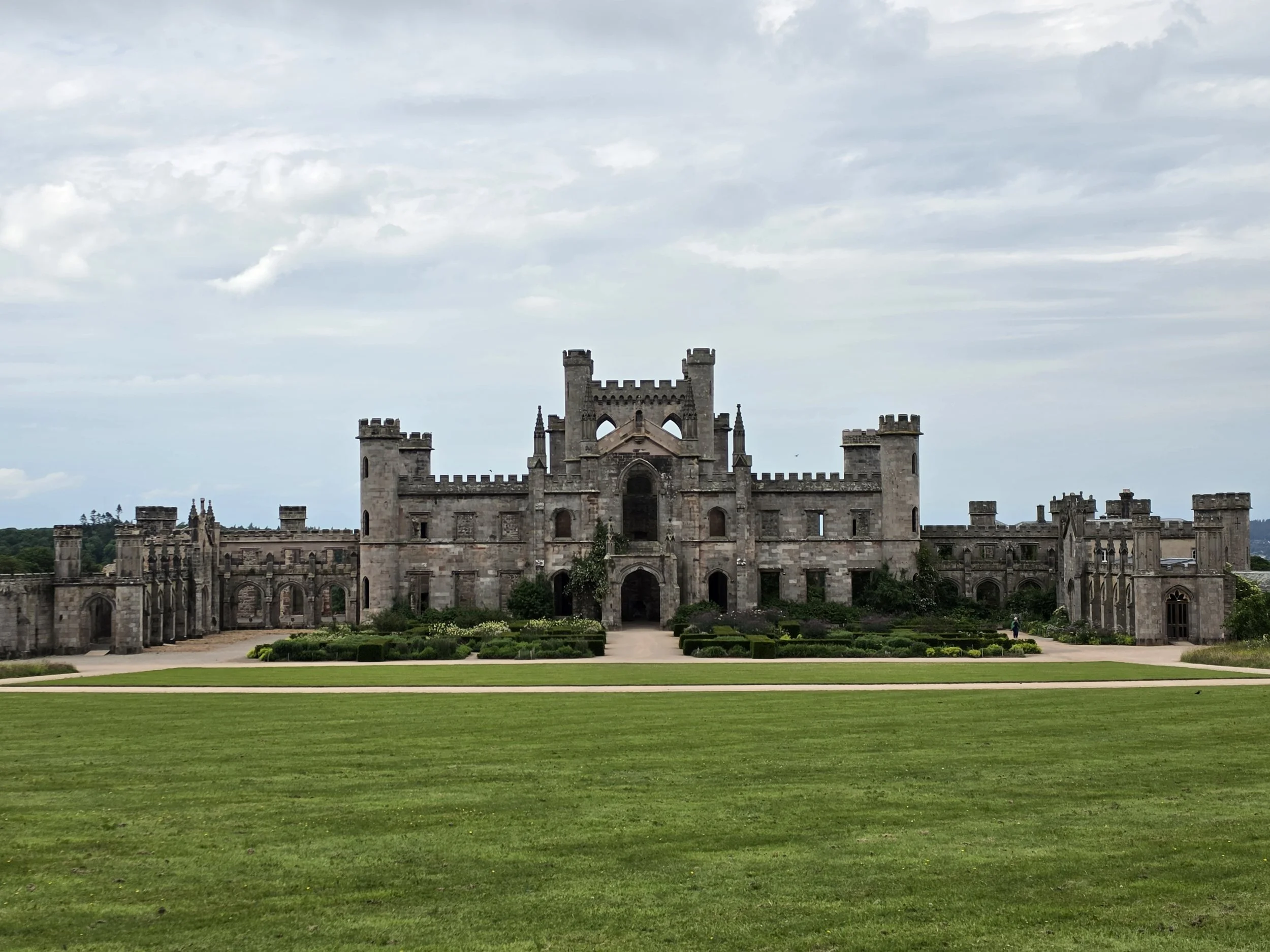
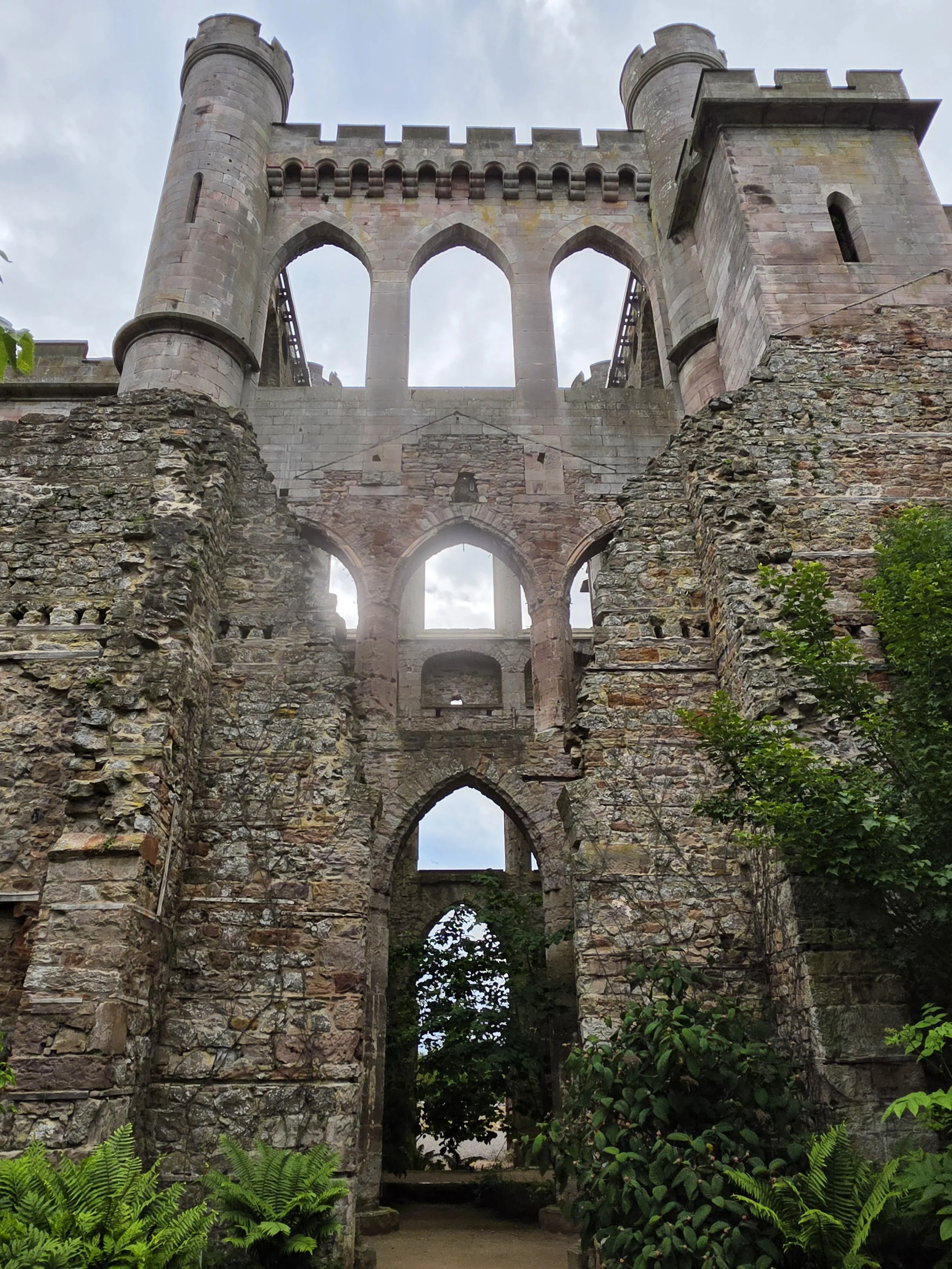
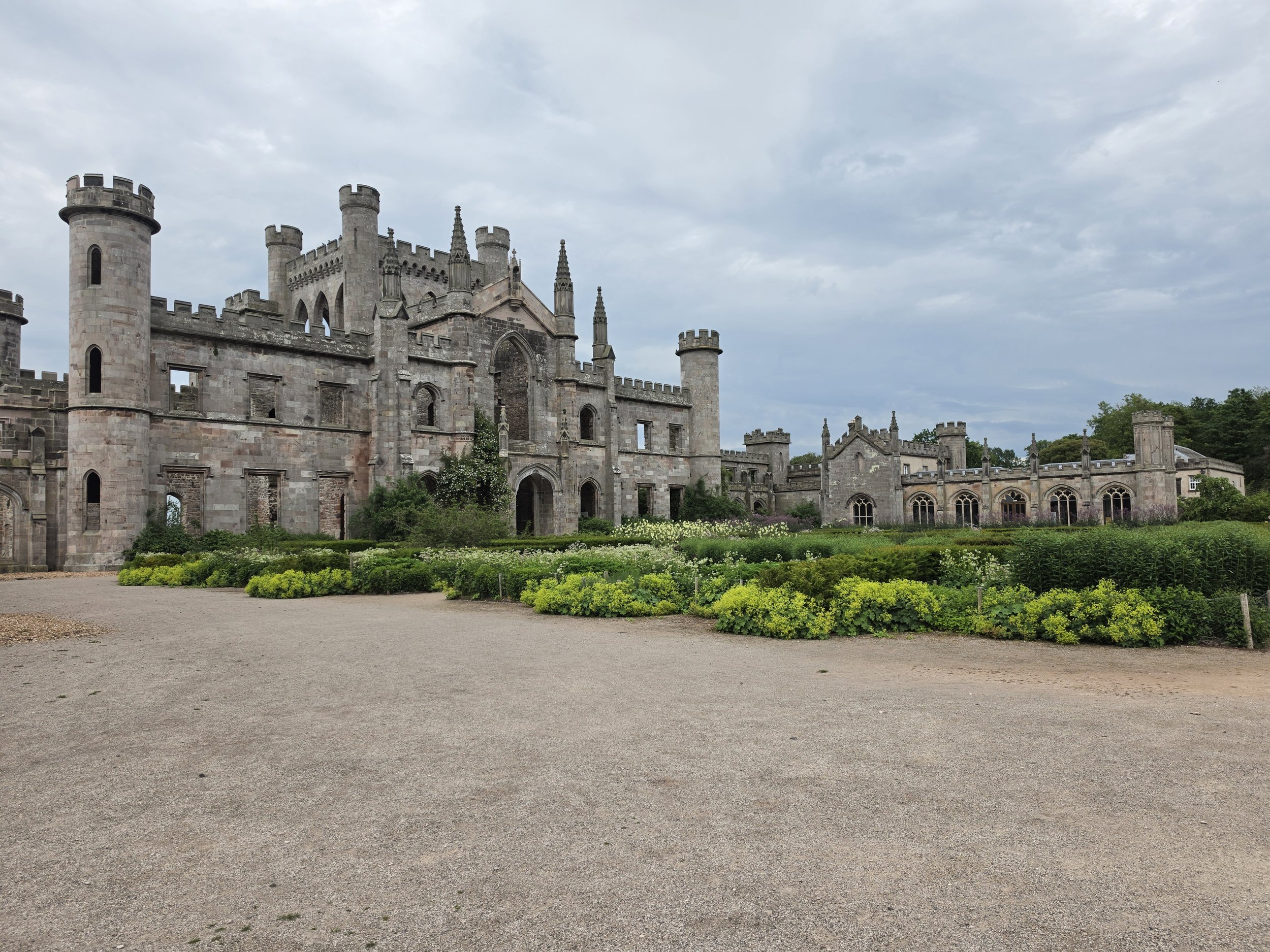
For the final stop of our trip, we began the drive south toward Kendal and stopped at Lowther Castle. The "castle" was built in 1814 by an aristocratic family in the Gothic Revival style. Like Wray Castle, Lowther Castle was never a castle in the traditional sense. After World War II, maintaining the property became financially impossible, and the owners removed the roof, creating the dramatic ruined appearance that visitors see today. The estate contains both formal gardens and an extensive network of walking trails. We attempted to explore the gardens but kept getting attacked by bugs, which may have just been bad luck, although it did put a bit of a damper on the experience. The gardens themselves also weren't particularly impressive, especially compared to better-maintained historic gardens elsewhere. More recently, archaeologists have uncovered the remains of a Norman castle, a medieval village, and a Romano-British settlement north of the estate (although these weren't obvious or particularly easy to view during our visit).
That wrapped up our final day in the Lake District. From Lowther Castle, we dropped off our rental car in Kendal before heading to Oxenholme station for the train back south.
—
The Lake District combined peaceful lakes, historic villages, and easy hikes with some of the best scenery we experienced in England. It was a refreshing change of pace from London and a great way to experience a quieter, more rural side of the country.